


Feeding horses properly in spring – When the grass sprouts and the coat sheds
Horses and their owners look forward to the green season – finally fresh grass again!
However, the horse’s digestion is still adjusted to winter feed, i.e., hay. If the horse were turned out to graze on fresh growth without a gentle transition in feed, the microbes in its large intestines would be overwhelmed and die off – a disaster for the gut flora. Digestive disorders such as free faecal water, diarrhoea, colic and laminitis are the result, and aren’t uncommon in horses during spring.
There is also the coat change to consider, which increases the horse’s need for zinc, selenium, copper, and omega-3 fatty acids. Older horses, in particular, can struggle with fatigue and weight loss during this time. Other horses may struggle with weight gain when the first grass is added to their daily hay ration.

Regardless of which category your horse belongs to, spring means stress for the horse’s metabolism and digestive system. It is therefore your task as a horse owner to gently prepare your horse for the change in its diet.
We provide you with tips on feeding horses in spring so you can avoid free faecal water, colic, laminitis, and circulation problems.
Tips for transitioning feed in spring
1. Keep an eye on your horse’s condition
Which category does your horse belong to? Is it a good-doer, so you need to carefully monitor the feed amount to prevent weight gain? If your horse belongs to this category, fat fats develop faster than you can reduce them. In the long term, feed-related laminitis can become a problem.
Is your horse a poor-doer, perhaps old and has trouble gaining weight? Then weight loss, fatigue, and a weak circulation are likely to be among your horse’s problems in spring.

Add in the coat change: Does your horse still hold on to its winter coat despite the change of seasons, or does it regularly shed its winter coat? The coat change, combined with warm temperatures and the first grass, can take a toll on the horse’s system. You can find more tips on coat changes in our corresponding guide on the subject.
Each horse reacts differently to spring due to its individual metabolism. Therefore, you should know your horse’s metabolism so that you can support it adequately and avoid digestion, circulation, and weight problems. Ask yourself the following important questions for assessment:
| Challenge | My horse… | Solution |
|---|---|---|
| Are fat pads on the neck, croup, and shoulders growing rapidly, even with little feed? | … is a good-doer | – Coordinate hay and grass quantities – With low feed intake, ensure high-quality mineral supply – Increase exercise |
| The feed plan remains unchanged – yet ribs & vertebrae become visibly prominent? | … is a poor-doer | – Careful conditioning – Possibly feed lucerne or sainfoin cobs – Additionally, feed mash & linseed oil |
| My horse loses its winter coat patchily or not at all | … has coat change problems | – Administer zinc, biotin, copper in courses, linseed oil with omega-3 fatty acids, and carrots – Possibly clip in high temperatures |
| My horse often has legs soiled by free faecal water syndrome in spring | … has an imbalanced gut flora | – Hay before turnout – Probiotic mash – Loose, free movement – Additionally: feed charcoal, psyllium |
| Why does my horse breathe heavily in spring when doing light work or resting? | … has a weak circulation | – Hawthorn, ginkgo, summer mash – Loose movement – Circulation-stimulating curry combing and rubbing – Possibly clip |
2. Don’t change too much – Maintain routines
Any type of change – regardless of its nature and extent – puts stress on the horse. Therefore, the motto for spring is: Less is more. Maintain regular feeding times and daily routines that the horse has grown accustomed to over winter.
Often, a yard move takes place in spring so horses have enough space on the pasture to get acquainted, with grass as a distraction. However, the change in feed and environment puts extra stress on the horse. Introduce your horse to summer feed before the move instead of changing everything at once.
To minimise mental stress for your horse, you can supplement its diet with a calming supplement containing valerian, hops, lavender, lemon balm, and magnesium two weeks before the yard change. This helps your horse approach the transition more calmly. Find more moving tips in our guide on yard changes.
3. Adjust feed quantities in spring – Grazing time is feeding time
When turnout begins, feed quantity and associated energy intake increase. In good-doers, this energy surplus quickly leads to weight gain. In such cases, adjust the feed quantity: The more grass they consume, the more hard feed and hay should be reduced.
However, hay cannot be omitted entirely: To ensure your horse doesn’t go out to pasture on an empty stomach, it should receive hay at least 20 minutes before turnout. This keeps it full and activates its gut flora. Hay provides gut microbes with sufficient substance to maintain a healthy environment.

If you want to learn more about correct spring turnout, read our guide on starting the grazing season – proper spring turnout for horses.
4. Movement, movement, movement!
In this context, movement is particularly important. It promotes smooth digestion by stimulating peristalsis and preventing issues like bloating. Additionally, gentle exercise in open fields or spacious arenas boosts the cardiovascular system, benefiting especially horses with metabolic challenges.
For good-doers, spring movement is crucial to avoid fat pads. The readily available energy from fresh grass quickly turns into unhealthy fat if not burned off. Gradually increase exercise levels to continually deplete energy stores.
5. Support circulation with hawthorn during temperature fluctuations
Spring often brings significant temperature swings. If your horse still has its thick winter coat, this can strain the circulatory system. Older horses, in particular, struggle on warmer days. Circulation-boosting herbs like hawthorn or ginkgo, which dilate blood vessels, are a sensible addition to the feeding plan.
If your horse is particularly weather-sensitive, reacting strongly to changing conditions, read our guide on weather sensitivity in horses.
Also interesting: Discover which superfoods are recommended for your horse in different situations in our list of 15+ superfoods for horses.
6. Support the liver: Not to be neglected in spring
For your horse to cope with all changes, its metabolism to handle transitions well, and stress-related byproducts to be efficiently eliminated, the liver must work hard. A healthy, functional liver is essential for body detoxification.
Therefore, ensure not only high-quality mineral provision but also support the body’s natural detoxification processes. Feed your horse herbs like milk thistle, dandelion, nettle, or birch for this purpose.
NUTRITION FOR A HEALTHY LIVER AND A SMOOTH COAT CHANGE
-

Original Landmühle
5.0 9
9
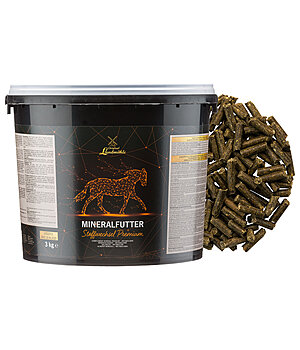
Mineral Feed Metabolism Premium
(£12.63 / 1 kg)from £37.905.0 9
-
Original Landmühle
4.6 5
5
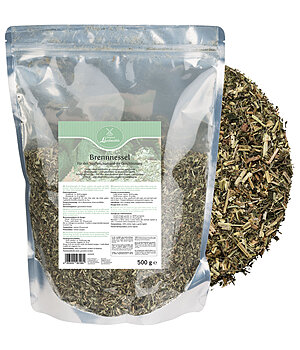
Stinging Nettle
(£33.80 / 1 kg)£16.904.6 5
-
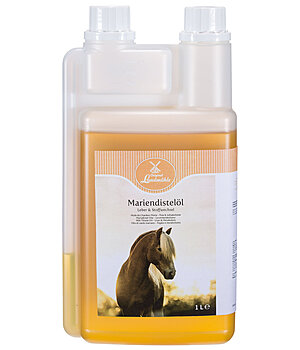
Original Landmühle
4.7 7
Milk Thistle Oil
(£14.90 / 1 l)£14.904.7 7
-
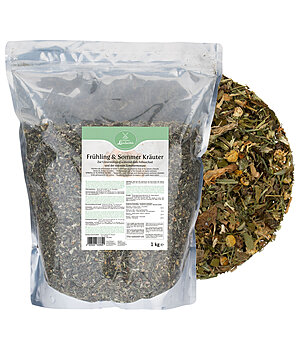
Original Landmühle
5.0 3
Spring & Summer Herbs
(£29.90 / 1 kg)£29.905.0 3
-
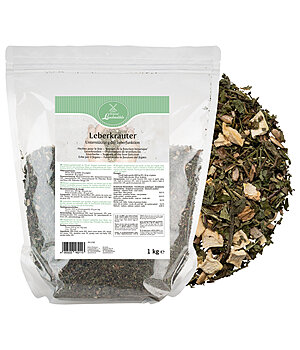
Original Landmühle
5.0 6
Liver Herbs
(£26.90 / 1 kg)£26.905.0 6
-
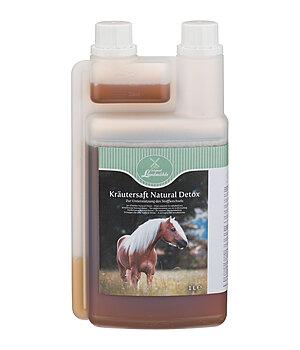
Original Landmühle
Herbal Juice Natural Detox
(£21.90 / 1 l)£21.90 -
Original Landmühle
5.0 1
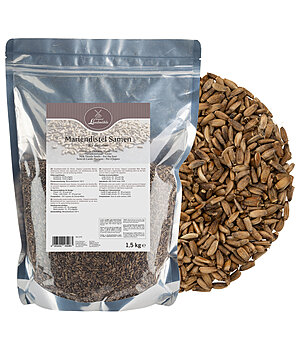
Milk Thistle Seeds
(£15.93 / 1 kg)£23.905.0 1
-
Original Landmühle
5.0 1
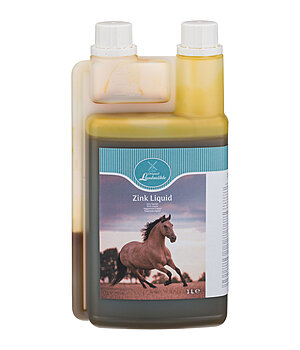
Zinc Liquid
(£28.90 / 1 l)£28.905.0 1
-
Original Landmühle
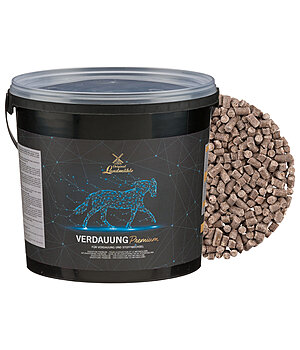
Digestion Premium
(£19.93 / 1 kg)£29.90 -
Original Landmühle
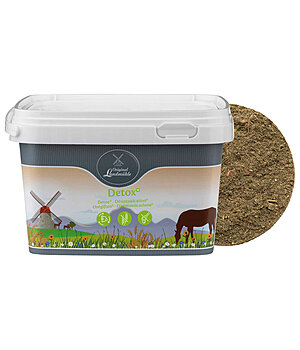
Detox +
(£32.42 / 1 kg)£38.90


Extra tip: Postpone vaccinations & worming
While necessary for your horse’s health, vaccinations and wormers place additional strain on the metabolism when given alongside new feed conditions and coat changes. It’s better not to combine feed adjustments with vaccinations/worming. Since this isn’t always feasible, closely monitor your horse’s circulation and digestion and address any issues. Provide circulation-boosting herbs like hawthorn one to two weeks in advance for this purpose. A portion of mash also benefits the horse’s stomach and digestion during this time.
Feeding horses according to the seasons
Spring: Acclimating horses correctly to grass & Feeding horses properly in spring
Summer: Special challenges of feeding horses in summer
Autumn: Weaning horses off grass correctly in autumn
Winter: Feeding horses in winter – Keeping them fit and healthy during the cold season