


Weight Loss in Horses During Winter
Many of our horses may appear well-fed thanks to their fluffy winter coats. However, this can sometimes be misleading, as some horses tend to lose weight during the winter months.
In our guide, we explain when you should pay particular attention to your horse’s weight and what you can do to prevent your horse from losing weight in winter.
Why do some horses lose weight in winter?
There are many reasons for weight loss during winter. The most obvious cause is that your horse gains a little extra weight in summer due to the abundant feed available in the field, which then naturally adjusts during the lean winter months.
In healthy horses, this behaviour is not at all problematic and – as long as the weight loss remains within normal limits – is completely normal.
The following circumstances can affect your horse’s weight during winter:
- Ambient temperature: When temperatures drop, your horse’s body has to compensate for this through its own thermoregulation. As a result, the body requires more calories.
- Turnout/Exercise: In summer, your horse spends a lot of time in the field, but in winter this is either not possible or only possible to a limited extent at many yards. The training workload is also usually reduced, as preparations for competitions are on hold or simply because it takes too long to dry the unclipped horse afterwards. As a result, the horse loses muscle mass and weight.
- Feed supply: Pasture grass is not available in winter, which can be compensated for by increasing forage amounts. Is there a chance the daily forage portions are too small, or the forage quality isn’t up to scratch? If so, this could also cause your horse to lose weight.
- Dental problems: The softer pasture grass in summer puts less strain on the teeth than when chewing the dried forage alternatives that are available in winter. Dental problems, such as hooks, often only become apparent during the cold season, when the horse starts losing weight due to problems with feed intake. For this reason, a vet should always examine the horse’s teeth in cases of unexplained weight loss.


Other possible causes of weight loss in horses include:
- Stress: Excessive training, conflicts within the herd, unsuitable housing conditions and a number of other factors can cause long-term weight loss in horses. Be sure to pay close attention to your horse and make adjustments when necessary.
- Intestinal worms: Loss of appetite and weight loss can be signs of a severe intestinal worm infestation. Testing-led deworming is essential and should reliably prevent the progression of intestinal worms.
- Other illnesses: Intestinal disorders in particular, as well as other illnesses, can cause horses to lose their appetite and result in weight loss. If you notice any abnormalities, you should have your horse thoroughly examined by a vet as soon as possible.
Which horses tend to lose weight during winter?
Any horse can be affected by weight loss during winter, but it tends to primarily be horses that are already vulnerable, such as older horses or those with chronic illnesses (e.g. metabolic disorders), that tend to lose weight during winter. During the autumn coat change in particular, the metabolism runs at full speed and the body consequently burns more energy than usual. Prompt support can help to counteract extreme weight loss.
How can you tell if a horse has lost weight?
Using a horse scale is the best way to determine a horse’s weight, but most yards don’t have one readily available. Additionally, the ideal weight depends on the horse’s breed and body type. The Body Condition Score allows you to assess a horse’s nutritional condition even without access to a horse scale.
The focus here is on certain areas of the body which, based on fat deposits or visible bones, provide information about whether the horse is likely to be under- or overweight.

What can I do to prevent my horse from losing weight during winter?

Have you noticed that your horse has lost weight in recent weeks, and you’d like to take steps to counteract it?
Supplemental Feeding:
- Hay ad lib (unrestricted)
- Enhance feed rations with hay cobs, alfalfa fibre, sainfoin cobs
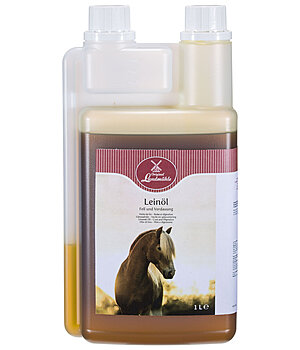
- Supplements with oils (e.g. Original Landmühle Linseed Oil)
- Addition of mash
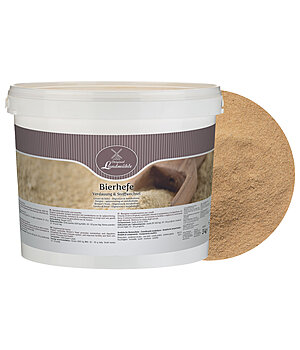
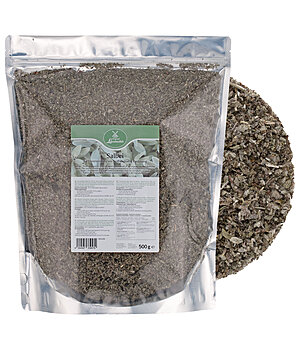
- Appetite-stimulating additives such as carob, brewer’s yeast, sage, etc.
Pay attention to feed quality!
The quality of hay is particularly important to ensure your horse gets enough energy and nutrients from its feed. A very high crude fibre content may not be ideal for poor-doers, which is the case with late-harvested hay. How can you tell at a glance? Long, firm stalks indicate a high crude fibre content.
REMEDIES FOR POOR-DOERS
-

Original Landmühle
4.8 46
46
Linseed Oil
(£10.90 / 1 l)from £10.904.8 46
-
Original Landmühle
4.7 7
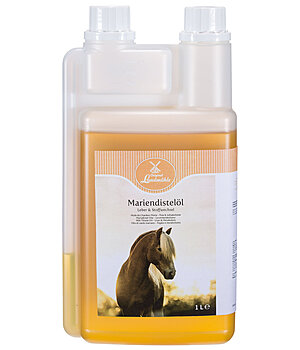
Milk Thistle Oil
(£14.90 / 1 l)£14.904.7 7
-
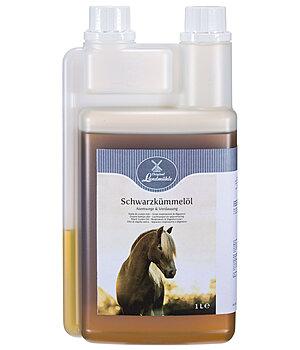
Original Landmühle
5.0 1
Black Cumin Oil
(£55.80 / 1 l)from £27.905.0 1
-
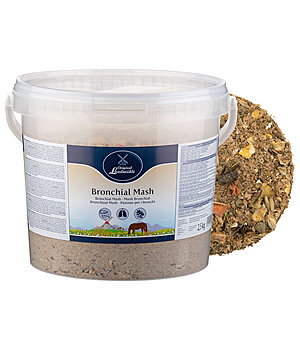
Original Landmühle
5.0 5
Bronchial Mash
£25.905.0 5
-
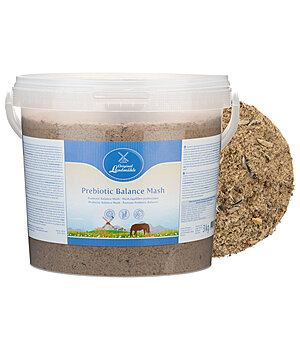
Original Landmühle
4.9 11
Prebiotic Balance Mash
(£8.63 / 1 kg)£25.904.9 11
-
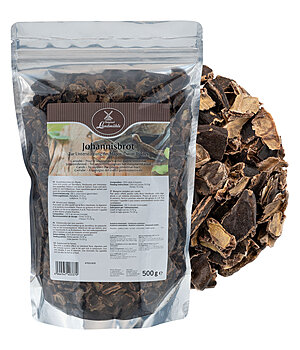
Original Landmühle
Carob
(£21.80 / 1 kg)£10.90 -
Original Landmühle
5.0 3
Brewer's Yeast
(£8.63 / 1 kg)£25.905.0 3
-
Original Landmühle
Sage
(£27.80 / 1 kg)£13.90


Other measures:
- Reduced training workload to curb further weight loss
- Rugging the horse as needed to reduce calories burned through thermoregulation
- Minimising stress
Concentrated feed and long periods without movement are not a good combination
It is essential to ensure the caloric and sugar content of the feed is appropriate for a horse’s current activity level. If your horse receives little exercise during the winter, a generous supply of forage should be sufficient. Too much concentrated feed combined with low activity levels can quickly lead to an overloaded stomach or other acute digestive problems, and may contribute to laminitis and other metabolic disorders.

When in doubt, always consult your vet
Are you concerned your horse has lost weight and are unsure what steps to take? When in doubt, always consult your vet and have your horse examined. Only your vet can tell you whether additional feed or other measures may be necessary.