


Feeding horses in winter – keeping them fit and healthy during the cold season
Feeding our horses in winter presents us with completely different challenges than feeding them in summer. Cold temperatures, the switch to a pure hay diet and a possible lack of exercise require us to take a critical look at our horses‘ nutrient intake. In this guide, we look at the nutritional needs of horses and provide tips on feeding horses in winter.

Horse needs in winter vs. summer
Temperatures drop, grass stores its energy and horses are switched to a diet of pure hay: in winter, horses have fewer vitamins available due to the lack of fresh grass, herbs and sunlight. The nutritional values in hay vary and cannot always ensure that the horse absorbs enough vitamins to keep its immune system stable. The lack of vitamins, combined with a lack of exercise and weather stimuli when the horse is mainly kept in a warm stable, increases susceptibility to infection.
Added to this is the change in intestinal bacteria when switching to a pure hay diet. If you don’t proceed with caution here, you risk colic in winter just as much as in spring when the horses are turned out to pasture.
Another important point is the energy requirement. The horse’s energy requirement increases by 25% in winter compared to summer due to the cold temperatures and the formation of a thick winter coat.

Vitamin deficiencies in horse feed during winter

Grass, herbs and sunlight provide horses with many valuable vitamins that they need to maintain their metabolism and immune system. These include vitamins A, E, K and B9 (folic acid). These are generally sufficiently covered when grazing. In winter, you have to be a little more creative to meet these requirements.
Horses synthesise vitamin A from the precursor beta-carotene, which they absorb from fresh grass and dandelions. The vitamin is already scarce in overgrown, lignified grass; the concentration is even lower in hay. However, vitamin A is essential for the skin, mucous membranes and eyesight. In winter, carrots and rose hips, which also contain high levels of beta-carotene, can be used for this purpose.
Vitamin E is an important antioxidant that is crucial for the immune system. Vitamin E from plant sources has very high bio-availability and cannot be compared to the synthetic version. If the quality of the hay is poor, the vitamin E content is also lost. Therefore, in winter, choose vitamin E sources such as linseed, sunflower seeds, rose hips, vegetable oils or bucket feed made from sun-dried hay.
Horses can generally synthesise vitamins K and B9 themselves, provided they have healthy intestinal flora and sufficient green fodder. If green fodder is not available in winter, mineralised feed should be used to supply the horse with vitamins K and B9. These vitamins are involved in blood formation and blood clotting and are therefore essential in the event of bloody injuries.
At this point, it is worth mentioning vitamin D, also known as the sun vitamin, which regulates calcium and phosphorus levels and thus plays a key role in bone and muscle development. It also promotes the absorption of nutrients through the intestinal wall. While horses produce vitamin D3 through exposure to sunlight via their skin, vitamin D2 is synthesised from plant sources. In winter, horses can get enough vitamin D if they are given sun-dried hay and the opportunity to enjoy the few rays of sunshine without a rug. Then supplementary feeding of this vitamin is not necessary.
Vitamins for winter feeding
-

Original Landmühle
4.8 15
15
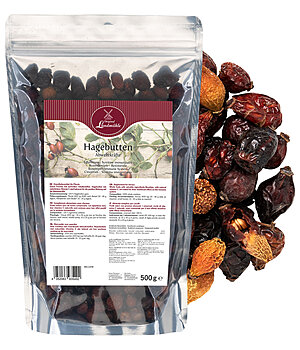
Rose Hips
(£25.80 / 1 kg)from £12.904.8 15
-
Original Landmühle
5.0 5
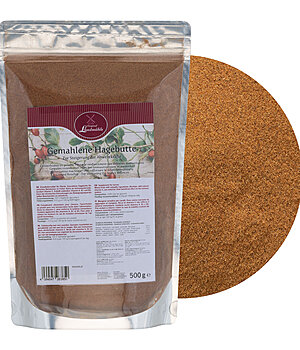
Ground Rosehip
£13.905.0 5
-
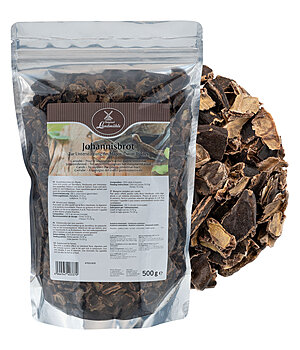
Original Landmühle
Carob
(£21.80 / 1 kg)£10.90 -
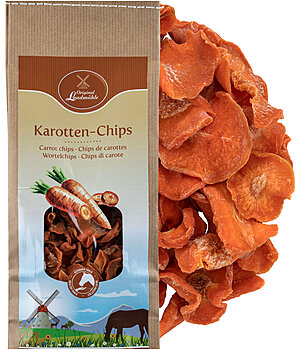
Original Landmühle
4.5 2
2
Carrot Chips
(£24.98 / 1 kg)£9.994.5 2
-
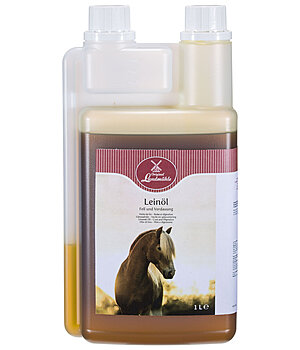
Original Landmühle
4.8 46
Linseed Oil
(£10.90 / 1 l)from £10.904.8 46
-
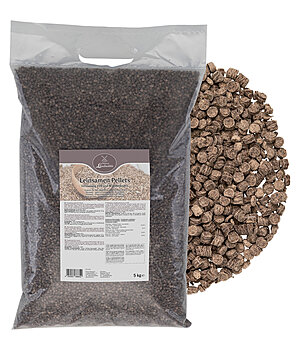
Original Landmühle
4.8 11
Linseed Cake
(£4.78 / 1 kg)£23.904.8 11
-
Original Landmühle
5.0 1
Zinc Liquid
(£28.90 / 1 l)£28.905.0 1


Basically, an organic vits & mins supplement with high bio-availability is an absolute must in order to provide the horse with all the important macro- and trace elements and vitamins it needs throughout the year.
Tips for feeding horses in winter
1. Gradual feed change in autumn
Just as a horse is gradually introduced to grazing in spring, it must be weaned off grazing in autumn. This is the only way to allow the intestinal microbes to adjust to their new feed base for the coming months and prevent digestive problems such as free faecal water, diarrhoea or colic. You should allow around 3 to 4 weeks for weaning, gradually reducing grazing time and increasing hay rations. This should be done before night-time temperatures drop below 8°C and the fructan content is at its highest. This is because the risk of laminitis is particularly high at this time, especially for overweight horses or horses with insulin dysfunction.
Here you will find an overview of how the fructan content in grass varies:

2. High-quality hay as the basis for winter feeding
As we described in the section „Weather sensitivity in horses“, air pressure rises with the cold temperatures in winter. Horses with pre-existing lung conditions begin to cough. This effect is exacerbated by poor-quality, dusty hay, the particles of which penetrate the lungs. To ensure that the respiratory tract is not additionally strained by the high air pressure, high-quality, dust-free hay should be fed.
The quality of hay also depends on how it is produced and stored. Sun-dried hay contains vitamins that are important for health. However, these are lost during long storage periods. To ensure that horses in poor health still get their vitamins, it can be useful to supplement their diet towards the end of winter with vitamin-rich supplements, hay cobs made from sun-dried hay or mixes enriched with vitamins.

A normal, healthy leisure horse does not need more than the recommended amount of hay 1.5kg/100kg body weight in winter. This is because horses, whose comfortable temperature range is between -5 and +15°C, can maintain their body temperature even in sub-zero temperatures. Only when temperatures fall below -5°C should the amount of forage be increased so that the horses can produce sufficient energy and warmth.
3. Horses lose body mass in winter
Older horses in particular can lose weight in winter in the form of fat deposits that keep them warm. They need more energy to maintain their body temperature and consequently lose weight faster than young, healthy horses. In addition to rugging them in winter, you should aim to increase their energy intake with hay and oils.

On the other hand, overweight horses can be left without rugs in winter, provided their health allows it. This leads to increased energy consumption in cold temperatures, which makes it easier for them to lose unhealthy fat deposits.
4. Cold water: risk of colic
Frozen drinkers or ice clumps in the water bucket: Ice-cold water is also unpleasant for horses, which is why their water intake decreases in winter. The problem: insufficient hydration increases the risk of constipation and colic in horses.
Therefore, always check the flow of water sources. Heated drinkers have proven to be useful in this regard. Offer the horse a bucket of lukewarm water to remind it to drink. A lukewarm infusion of herbs such as thyme, fennel, aniseed, chamomile, liquorice root or lemon balm can also encourage the horse to drink.
5. Mash: Warm meal for coughs to promote well-being
Cold temperatures, high air pressure, little exercise and a poor stable climate with ammonia in the air: in some stables, coughing is inevitable in winter. High-quality hay, daily exercise and daily mucking out and ventilation for a better stable climate should therefore be a priority.
In addition, warm mash can increase the horse’s well-being in winter. Boiling the feed breaks down the components and makes its nutritional and energy values more readily available to the horse. This makes mash a suitable addition to winter feed, especially for poor-doers. In addition, the mucilage promotes digestion, making mash the perfect companion for wet and cold winter days.

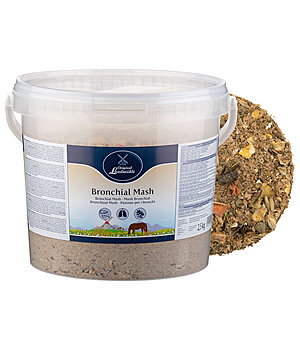
Horses with respiratory problems also benefit from being fed mash containing bronchial herbs. Original Landmühle’s Bronchial Mash provides relief for the respiratory tract on cold days.
If you prefer not to use mash, you can also offer your horse herbs such as fennel, aniseed and thyme as an infusion. Simply pour hot water over the herbs, let them brew and feed them lukewarm, either as tea or poured over the feed.
Winter food for the respiratory tract
-
Original Landmühle
4.4 12
Airway Herbs
(£27.90 / 1 kg)£27.904.4 12
-
Original Landmühle
5.0 6
Fennel Seeds
(£25.80 / 1 kg)£12.905.0 6
-
Original Landmühle
5.0 1
Aniseed
(£27.80 / 1 kg)£13.905.0 1
-
Original Landmühle
4.8 16
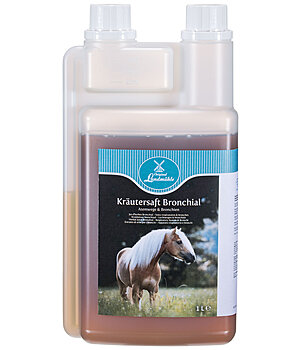
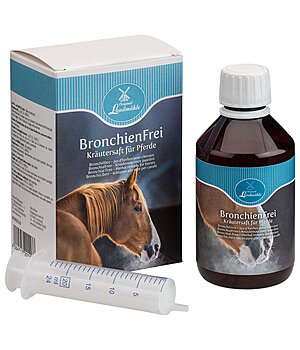
Herbal Juice Bronchial
(£21.90 / 1 l)£21.904.8 16
-
Original Landmühle
4.7 3
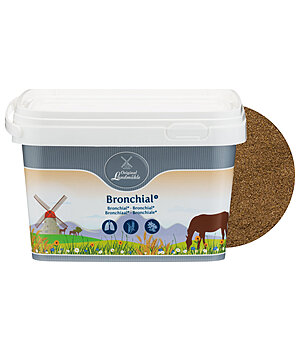
Bronchial +
(£35.44 / 1 kg)£31.904.7 3
-
Original Landmühle
5.0 3
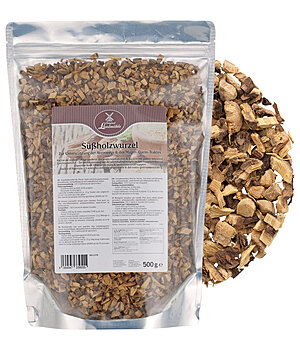
Liquorice Root
(£25.80 / 1 kg)£12.905.0 3
-
Original Landmühle
4.4 7
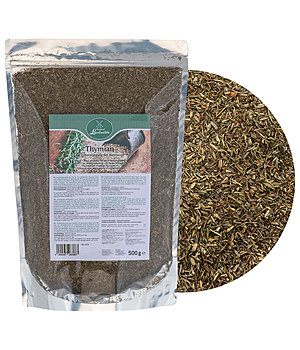
Thyme
£12.904.4 7
-
Original Landmühle
5.0 5
Bronchial Mash
£25.905.0 5
-
Original Landmühle
Herbal Liquid BronchialFree
£27.90(£75.60 / 1 kg)from £18.90 -
Original Landmühle
4.8 6
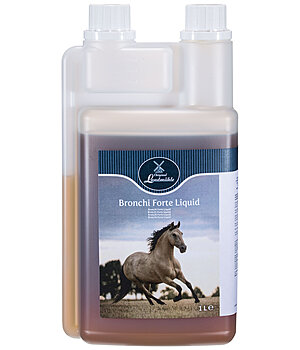
Bronchi Forte
(£27.90 / 1 l)£27.904.8 6
-
Original Landmühle
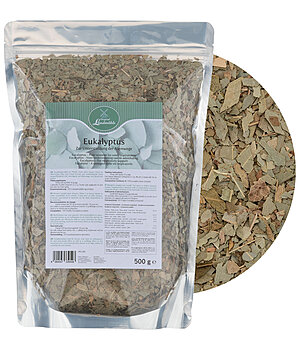
Eucalyptus
(£27.80 / 1 kg)£13.90


6. Exercise and feed in winter go hand in hand
Last but not least, here’s a general tip: feeding your horse properly in winter is only half the battle. A healthy horse also needs a basic amount of exercise to ensure it is sufficiently protected against infections in winter. Horses are running animals whose respiratory muscles are linked to their movement muscles. Therefore, for lung health in winter, it is important that they are able to gallop freely from time to time, which helps them breathe deeply. Furthermore, exercise stimulates peristalsis, which prevents constipation and colic.
Check out our guides for more winter tips:
- How can I boost my horse’s immune system?
- Feeding rose hips in winter – what do I need to bear in mind?
- 10 tips on how to keep your horse occupied in winter
- Winter series: How to prepare your horse and stable for winter: Part 1, Part 2 and Part 3
- Rugging and more – when and which filling? We explain!
Feeding horses according to the seasons
Spring: Acclimating horses correctly to grass & Feeding horses properly in spring
Summer: Special challenges of feeding horses in summer
Autumn: Weaning horses off grass correctly in autumn
Winter: Feeding horses in winter – Keeping them fit and healthy during the cold season