


Particular challenges to consider when feeding horses in summer
In summer, horses face different challenges than during the colder season. Unlike winter feed, in summer horses can meet their vitamin requirements through grass and sunlight. In particular, vitamins A, D, E and K, which are essential for metabolism, are normally obtained in sufficient quantities and do not need to be boosted with vitamin and mineral supplements.
However, not every horse has access to 24-hour turnout on grass, and permanent access to grass doesn’t always benefit every horse’s health. Heat and insects also have an impact on feeding. Read on to find out what you need to consider when feeding horses in summer.

Electrolytes for dealing with heat stress and overheating
Getting enough electrolytes is even more important when it’s really hot. Heavy sweating, especially after training, means that a lot of electrolytes are lost through the skin.
Electrolytes are small, positively and negatively charged particles that maintain the fluid and water balance in the body’s cells. As electrolytes cannot be produced by the body itself, horses must obtain them from their feed. Potassium is obtained from hay, while sodium and chloride are obtained in the form of sodium chloride, such as from salt licks.
When sweating heavily – up to 10 litres of sweat – a horse loses not only water but also vital electrolytes. If these reserves are not replenished, the horse can suffer heatstroke and circulatory collapse. The first signs of this are pale mucous membranes, accelerated breathing at rest and listless or apathetic behaviour.
In these cases, simply providing a salt lick isn’t enough, as salt licks only contain sodium chloride – which would make the potassium deficiency worse.
Also, wann kann die Gabe von zusätzlichen Elektrolyten in fester oder flüssiger FSo, when does it make sense to give extra electrolytes in solid or liquid form?
- After intense physical exertion in high outside temperatures
- After heavy sweating
- In cases of diarrhoea and free faecal water
- In cases of stress
- After extreme exertion like competitions, intense training or courses, long-distance riding or trekking
If your horse has been sweating heavily, you should give them electrolytes first, then water. If you do it the other way round, their blood volume will increase too much and the electrolytes won’t be enough. Otherwise, you should make sure your horse always has enough fresh water to drink. A horse needs up to 80 litres of water a day in hot weather and hard work.

Electrolytes are only absorbed by the intestines as needed, and the unused remainder is excreted in the urine. Electrolytes can only be „stocked up“ for a maximum of 24 hours.
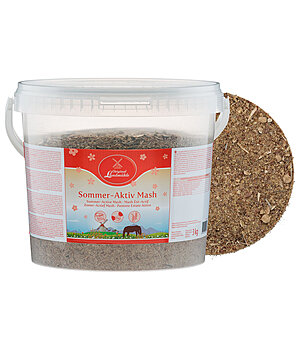
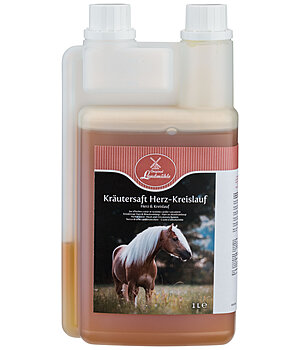
If your horse suffers from poor circulation in the summer heat, you can stimulate circulation with the help of specially formulated, cooled mash varieties or by providing herbs such as hawthorn in advance.
-

Original Landmühle
Summer Active Mash
(£11.16 / 1 kg)£27.90 -
Original Landmühle
5.0 3
3
Herbal Juice Heart Circulation
(£21.90 / 1 kg)£21.905.0 3
-
Original Landmühle
5.0 4
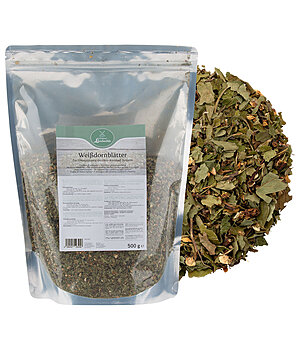
Hawthorn Leaves
(£31.80 / 1 kg)£15.905.0 4
-
Original Landmühle
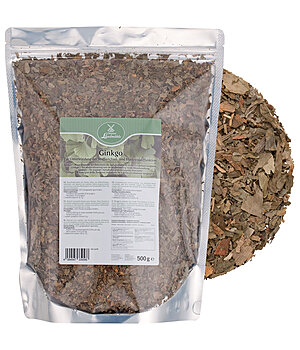
Ginkgo
(£35.80 / 1 kg)£17.90 -
Original Landmühle
5.0 3
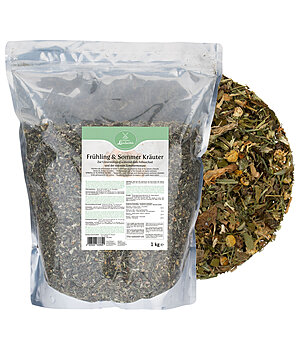
Spring & Summer Herbs
(£29.90 / 1 kg)£29.905.0 3
-
Original Landmühle
5.0 5
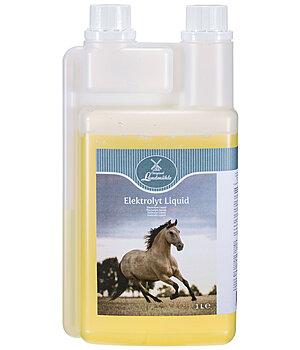
Electrolyte Liquid
(£14.90 / 1 l)£14.905.0 5


Insect protection inside and out
The beautiful summertime is unfortunately also prime time for annoying mosquitoes. Adjust turnout times to the insect population – horses should be back in the stable before dusk. Fly rugs, fly masks and fringes on headollars, as well as fly sprays, are the best insect repellents for time spent in the field. Fly repellents that work internally can also be useful. Feed enriched with garlic is worth mentioning here. Insects are repelled by the odour of garlic emitted by the horse. However, caution is advised, as garlic must not be overdosed under any circumstances – too much garlic can damage the digestive tract. It is essential to follow the feeding recommendations on the packaging.
-
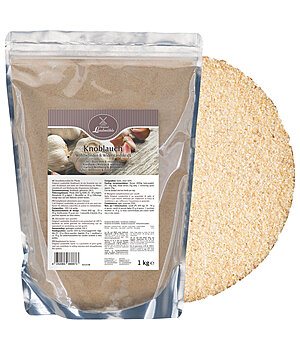
Original Landmühle
4.4 9
9
Garlic
(£21.90 / 1 kg)from £21.904.4 9
-
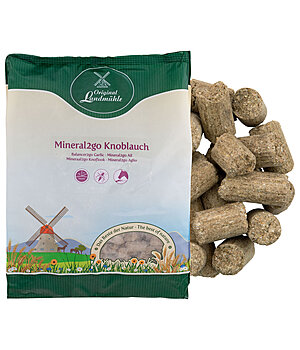
Original Landmühle
5.0 1
Balancer2go Garlic
(£5.63 / 1 kg)£16.905.0 1
-
Original Landmühle
4.7 7
Milk Thistle Oil
(£14.90 / 1 l)£14.904.7 7
-
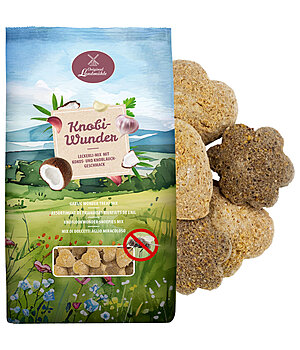
Original Landmühle
5.0 6
Garlic Wonder Treat Mix
£5.495.0 6


The right horse feed for sweet itch
Depending on the horse’s metabolic health and the amount of biting insects, the toxins from the insects can cause an allergic overreaction known as sweet itch. Read here to find out what sweet itch is and how to care for and keep a horse suffering from it.
Skin health is closely linked to proper nutrition. Therefore, proper feeding is an important factor in relieving sweet itch symptoms: Avoid feeding too much protein, starch and sugar through excessive consumption of pasture grass, concentrated feed containing grains and a lack of exercise. Instead, support your horse by giving them vitamin E for the liver, and zinc and unsaturated omega fatty acids for the natural skin barrier. Brewer’s yeast can also support and maintain digestion, which is also crucial for a healthy metabolism.
-
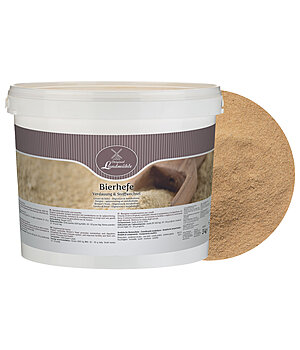
Original Landmühle
5.0 3
Brewer's Yeast
(£8.63 / 1 kg)£25.905.0 3
-
Original Landmühle
4.7 7
Milk Thistle Oil
(£14.90 / 1 l)£14.904.7 7
-
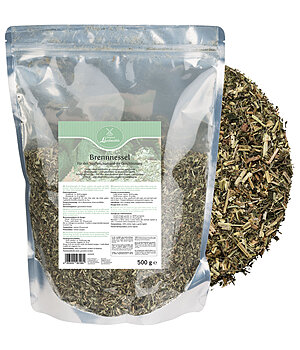
Original Landmühle
4.6 5
Stinging Nettle
(£33.80 / 1 kg)£16.904.6 5
-
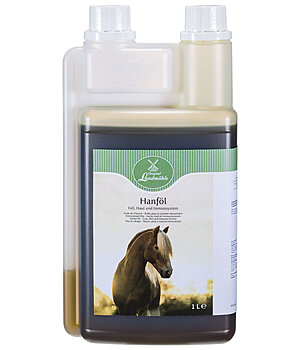
Original Landmühle
Hemp Oil
(£27.90 / 1 l)£27.90 -
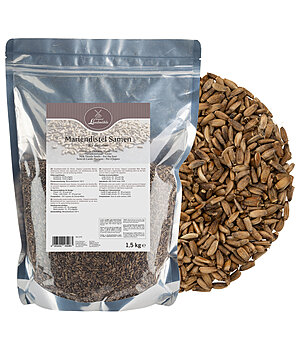
Original Landmühle
5.0 1
Milk Thistle Seeds
(£15.93 / 1 kg)£23.905.0 1


Colic and overfeeding
Colic is not uncommon during the grazing season, as we’ve discussed here regarding the causes of colic. In addition to correct acclimatisation to grass, a grain-free diet is extremely important for intestinal health, especially for horses with sensitive digestion. Boiled linseed, prebiotic mash varieties and brewer’s yeast can help maintain and rebuild the gut bacteria. You can find more tips on feeding horses after colic in our guide.
-
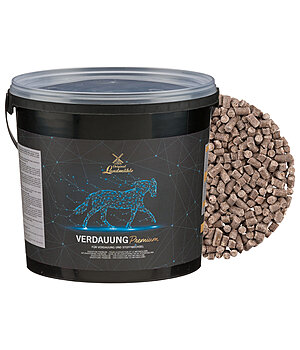
Original Landmühle
Digestion Premium
(£19.93 / 1 kg)£29.90 -
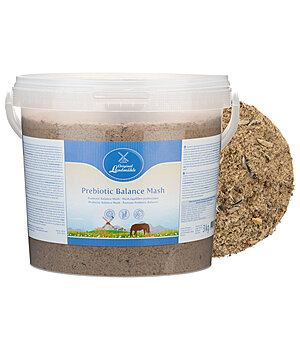
Original Landmühle
4.9 12
Prebiotic Balance Mash
(£8.63 / 1 kg)£25.904.9 12
-
Original Landmühle
Summer Active Mash
(£11.16 / 1 kg)£27.90 -
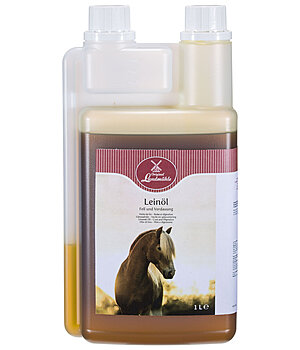
Original Landmühle
4.8 47
Linseed Oil
(£10.90 / 1 l)from £10.904.8 47
-
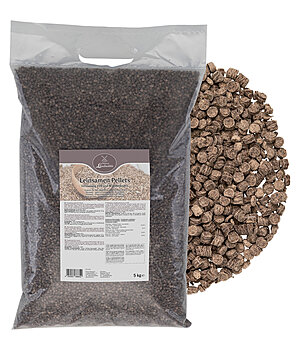
Original Landmühle
4.8 12
Linseed Cake
(£4.78 / 1 kg)£23.904.8 12
-
Original Landmühle
4.6 10
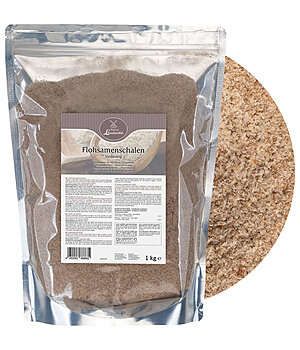
Psyllium Seed
(£32.90 / 1 kg)£32.904.6 10
-
Original Landmühle
5.0 3
Brewer's Yeast
(£8.63 / 1 kg)£25.905.0 3


Mineral intake during grazing season
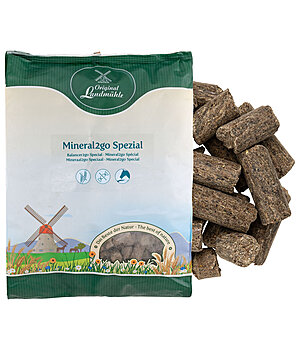
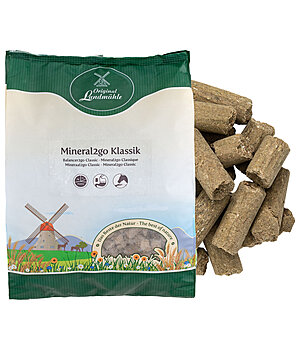
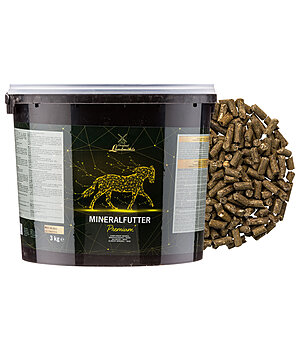
While a horse’s protein and carbohydrate requirements are usually met through grazing, mineral intake cannot be neglected. Trace elements such as selenium and manganese in particular can be in short supply in both hay and fresh grass. The supply of minerals and trace elements must therefore be monitored just as carefully in summer as in winter. For field-kept horses, vitamin and mineral supplements available in treat form are ideal.
-
Original Landmühle
4.9 18
Mineral2Go Special
(£5.63 / 1 kg)£16.904.9 18
-
Original Landmühle
5.0 4
Balancer2go Classic
(£5.63 / 1 kg)£16.905.0 4
-
Original Landmühle
5.0 7
Mineral Feed Premium
(£10.97 / 1 kg)from £32.905.0 7
-
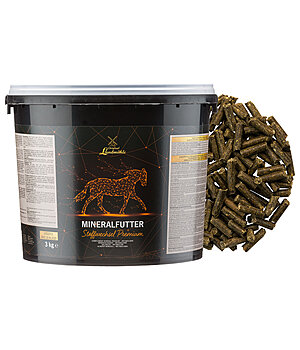
Original Landmühle
5.0 9
Mineral Feed Metabolism Premium
(£12.63 / 1 kg)from £37.905.0 9
-
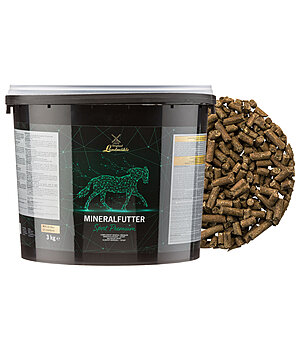
Original Landmühle
4.8 5
Mineral Feed Sport Premium
(£10.97 / 1 kg)from £32.904.8 5
-
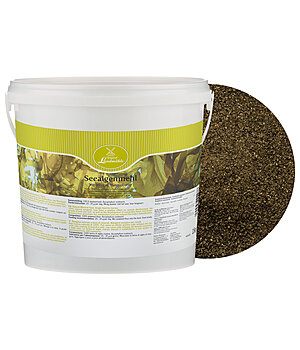
Original Landmühle
Seaweed Meal
(£17.27 / 1 kg)£25.90


Be careful with short grass!
Don’t be tempted to treat a good-doer or a horse with laminitis to short grass: Grass close to the ground is poisonous! Why? Grazing on short grass stresses the grass, which in turn causes it to develop endophytes, fungal symbionts that release toxins under stress. Additionally, short grass stores a lot of fructans for protection, which are a kind of sugar and are therefore best avoided by horses with sensitive metabolism.
Feeding horses according to the seasons
Spring: Acclimating horses correctly to grass & Feeding horses properly in spring
Summer: Special challenges of feeding horses in summer
Autumn: Weaning horses off grass correctly in autumn
Winter: Feeding horses in winter – Keeping them fit and healthy during the cold season