




Weather sensitivity – Effectively supporting your horse’s circulation
Weather sensitivity, weather-related ailments, or the medical term ?meteoropathy‘. These are all terms used to describe physical complaints triggered by changes in the weather. Many people believe that the severity of their existing symptoms is linked to the weather.
Horse owners observe similar patterns in their four-legged friends: they become fresh in windy weather, lack energy in summer, cough in winter and are prone to colic in spring. Scientists struggle with the concept of weather sensitivity, as it is difficult to research. But is there any truth to the idea of weather sensitivity in horses?

What happens when someone is sensitive to the weather?
Every body reacts to changes in weather conditions, which are accompanied by fluctuations in temperature, humidity and changes in air pressure. In very cold weather, air molecules become less active and the air becomes denser, meaning that air pressure is higher in winter than in summer. Horses with weak lungs are particularly sensitive to rising air pressure and therefore cough more frequently in winter. A healthy stable environment is especially important here. Furthermore, blood vessels constrict in the cold and blood is retained within the body to supply the vital organs.
In hot weather, however, the body reacts by dilating blood vessels and producing sweat. The air becomes lighter due to lower air pressure, but as the temperature rises, the number of oxygen molecules also decreases. If high humidity is added to the mix, the water vapour further displaces the oxygen. This makes it harder for horses to take in oxygen, which is why they run out of breath more quickly in summer and appear more exhausted.
But what happens in changeable weather, when a cold front meets a warm front and the air pressure fluctuates rapidly? The body is temporarily overwhelmed by sensory overload because it has to keep adapting to the new situation. Young, healthy horses should have little trouble with changes in the weather. In weakened, sick and old horses, however, the body works at full capacity, ?can no longer keep up‘ and consequently shows clear signs of stress.
Symptoms: How to tell if your horse is weather-sensitive
People who are sensitive to changes in the weather often experience headaches, fatigue, dizziness and circulatory problems. It’s not all that different for horses, as they too display the classic signs of cardiovascular and digestive problems.
Typical symptoms of weather sensitivity in horses include:
- Fatigue and reduced performance
- Loss of appetite
- Internal tension and muscle stiffness
- Shortness of breath and increased sweating (in hot weather)
- Muscle tremors (in cold weather)
- Filled legs, oedema, swollen lymph nodes
- Pale to blue mucous membranes
- Free faecal water, diarrhoea and flatulence
- Colic and colic-like behaviour

A very good indicator of poor circulation is the capillary refill time of the mucous membranes. To check this, press your finger against the gum above the incisors. The resulting white patch should take no longer than 3 seconds to return to its original colour. If this is not the case, blood circulation is impaired and immediate action should be taken.
Here’s how you can help your horse cope with changes in the weather
Circulatory problems during weather changes are a sign of a stressed body. The digestive balance is disrupted and, in the worst case, this can lead to dangerous colic. You can help support digestion as a preventative measure with a mash that forms a protective layer around the mucous membranes and stimulates circulation thanks to its herbal ingredients.
Read our guide on colic to find out more about what causes colic and how you should feed your horse after an episode.
Furthermore, a horse stressed by changes in the weather may show signs such as free faecal water, diarrhoea or bloating. You can support your horse’s digestion by giving them psyllium, linseed or activated charcoal, which help to absorb excess fluid in the gut. Intestinal herbs such as fennel or aniseed have a soothing and beneficial effect and can relieve abdominal cramps.
If you need further information on the subject of faecal water, we have compiled the causes of free faecal water here and feeding recommendations for digestive problems here.
Supporting a horse’s digestion during weather changes
-

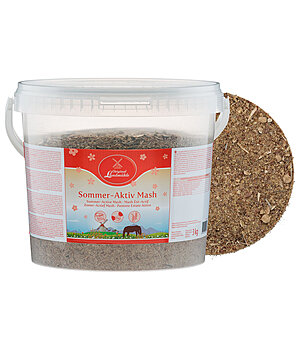
Original Landmühle
Summer Active Mash
(£11.16 / 1 kg)£27.90 -
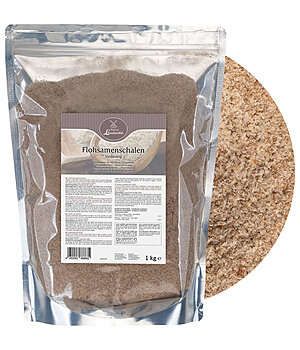
Original Landmühle
4.6 10
10
Psyllium Seed
(£32.90 / 1 kg)£32.904.6 10
-
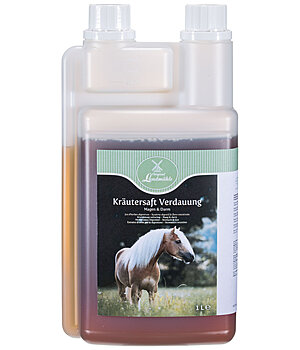
Original Landmühle
5.0 1
1
Herbal Juice Digestion
(£21.90 / 1 l)£21.905.0 1
-
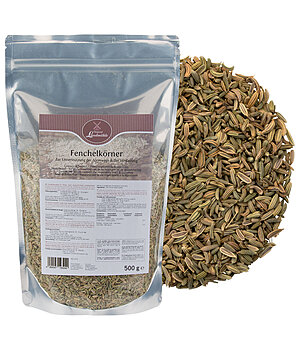
Original Landmühle
5.0 6
Fennel Seeds
(£25.80 / 1 kg)£12.905.0 6
-
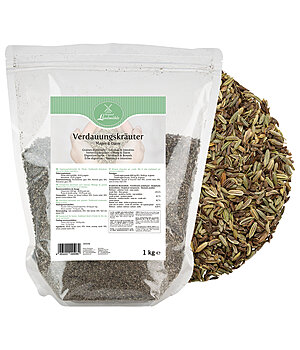
Original Landmühle
5.0 13
Digestive Herbs
(£27.90 / 1 kg)£27.905.0 13
-
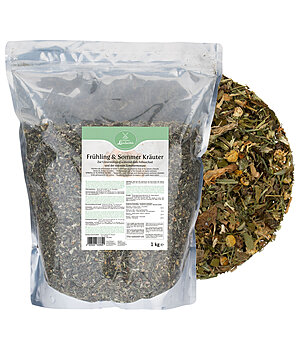
Original Landmühle
5.0 3
Spring & Summer Herbs
(£29.90 / 1 kg)£29.905.0 3
-
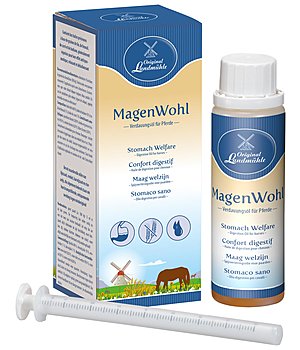
Original Landmühle
5.0 3
Stomach Welfare
(£279.00 / 1 l)£27.905.0 3


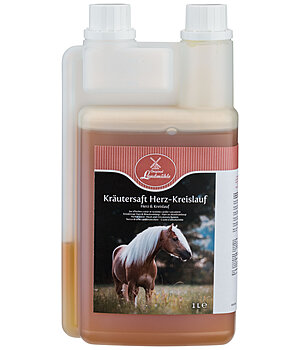
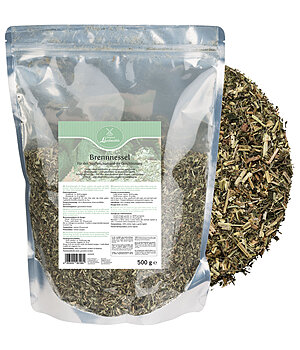
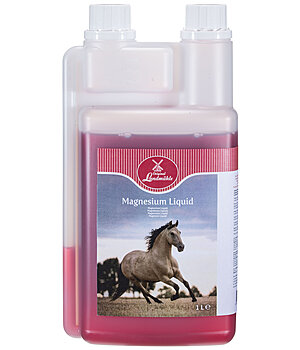
Stimulate your horse’s circulation with bitter herbs. The flavonoids found in hawthorn, ginkgo and nettle help improve blood circulation and strengthen the heart. Bear in mind, however, that administering these herbs will only be effective if the horse has sufficient magnesium. Circulatory problems can also be caused by a severe magnesium deficiency. If this mineral deficiency is detectable in the blood test, the deficiency has likely persisted for some time and the horse is drawing on stored magnesium from its bones. To prevent this from happening, you should ensure an adequate basic supply of all necessary minerals in the form of a high-quality vitamin and mineral supplement.
Boost a horse’s circulation
-
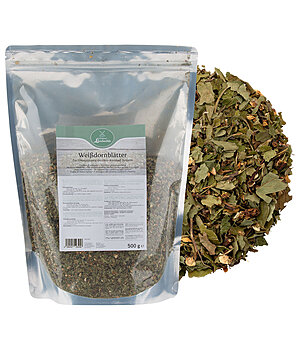
Original Landmühle
5.0 4
Hawthorn Leaves
(£31.80 / 1 kg)£15.905.0 4
-
Original Landmühle
5.0 3
Herbal Juice Heart Circulation
(£21.90 / 1 kg)£21.905.0 3
-
Original Landmühle
4.6 5
Stinging Nettle
(£33.80 / 1 kg)£16.904.6 5
-
Original Landmühle
5.0 1
Magnesium Liquid
(£31.90 / 1 kg)£31.905.0 1
-
Original Landmühle
5.0 1
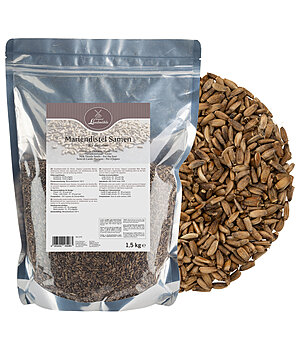
Milk Thistle Seeds
(£15.93 / 1 kg)£23.905.0 1
-
Original Landmühle
5.0 3
Spring & Summer Herbs
(£29.90 / 1 kg)£29.905.0 3
-
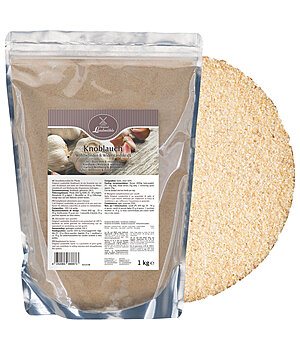
Original Landmühle
4.4 9
Garlic
(£21.90 / 1 kg)£21.904.4 9
-
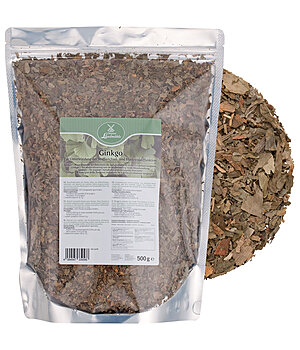
Original Landmühle
Ginkgo
(£35.80 / 1 kg)£17.90


Regular, consistent exercise helps horses that are sensitive to the weather to keep their cardiovascular system in good working order. Exercise generally makes horses more resilient to stress. If you have a horse that struggles with changes in the weather, conventional stabling is not the right option. Keeping the horse in a group or out in the field is more suitable in this case.
You can revive tired horses with a heart massage. To do this, cup your hand into a claw shape and massage the horse’s chest muscle using small, rapid movements. This can work wonders in stimulating blood flow to the heart.
If your horse frequently suffers from circulatory problems, particularly when the weather changes, you shouldn’t try to treat it yourself; instead, you should consult your vet straight away.
Over-protectiveness can also make a horse ill. In this context, we should focus particularly on the use of rugs. Not every horse needs a rug, especially as keeping a horse in a rug all the time prevents it from practising its thermoregulation. This makes the horse more prone to circulatory problems. If you’d like to learn more about a horse’s natural thermoregulation, read here to find out when you should and shouldn’t rug your horse.
If your horse becomes stiff when the temperature drops or suffers from joint pain due to osteoarthritis, a rug can be beneficial. Particularly for older horses that lose condition in winter, rugging can help prevent further loss of body heat.
