


Why does my horse have free faecal water and what can help?
Free faecal water is an unpleasant problem for both horses and their owners. This is because the brownish liquid that runs down the hind legs when the horse defecates can cause skin irritation. Find out here how to rid your horse of free faecal water and prevent it from occurring.

What is free faecal water?
Free faecal water is excess water in the intestines that runs down the legs as a cloudy, brown-green intestinal fluid when the horse defecates, and sticks to the tail. As free faecal water is also very acidic, it can cause skin irritation if not cleaned properly. Depending on the severity, a horse can lose up to 1.5 litres of free faecal water per day.
Free faecal water is less of a disease and more of an absorption disorder, which can have a number of interrelated causes. Free faecal water can therefore occur in horses all year round, but is more common in autumn and winter.
Is free faecal water the same as diarrhoea?
Unlike free faecal water, where the horse droppings look normal, diarrhoea causes the faeces to be mushy or watery. This is a condition in which the horse loses a lot of fluid and electrolytes. This makes them weak and causes a loss of appetite, and also weakens their immune system. If left untreated, diarrhoea can be dangerous to the horse’s health. The vet should be contacted immediately. Free faecal water is less serious, but should still be treated.
What causes free faecal water in horses?
If a horse has free faecal water, its intestinal flora is disrupted. Some horses have a more sensitive metabolism than others. When investigating the causes, it is therefore important to consider the overall picture of feeding, keeping and management. Below are some individual causes that may help in evaluating the situation:
| Trigger | Explanation |
|---|---|
| Difficult-to-digest feed | Very hard hay with a high lignin content is difficult to digest. The uncrushed feed particles absorb less water, resulting in free faecal water. |
| Acidification of the gastrointestinal tract | Acidic feed such as silage, too much starchy and sugary feed and too little forage cause stomach irritation. Too much gastric acid enters the intestinal tract. |
| Dental problems | Digestion begins in the mouth. Poor salivation or chewing leads to free faecal water. |
| Parasites | Excessive worm infestation, but also too frequent deworming of foals causes free faecal water. |
| Fungal infestation and environmental toxins | Mycotoxins in hay, straw and bedding disrupt the intestinal flora and also put strain on the liver. |
| Antibiotics | Strong medicines also kill the vital bacteria in the gut. If the gut flora is not rebuilt, the balance is disrupted. |
| Stress | Stress stops digestion, while the stomach continues to produce acid. Gastric ulcers develop and excessive amounts of acid enter the intestinal tract. |
| Weather change and drop in temperature | Sensitive horses develop free faecal water, especially in autumn and winter when fields are closed, because their winter feed lacks important components for healthy digestion. Mild, damp winter weather is particularly conducive to free faecal water. |
What helps against free faecal water in my horse?
Prevention is the best treatment for free faecal water in horses. First and foremost, this involves horse-friendly feed management:
- Feed at least 1.5kg of hay per 100kg of body weight per day, horses should not go without forage for more than 4 hours.
- Feed low in starch and sugar (this rules out many mixes).
- Clean, mould-free feed and bedding.
- Slow feed change in spring and autumn or when moving yards.
- Unrestricted access to clean drinking water.
This also includes ensuring that the horse has sufficient freedom of movement to promote intestinal activity. In the case of low-ranking horses, care must be taken to ensure that they receive sufficient feed and rest to avoid psychological stress. An annual dental check-up and regular worm egg counts also help to prevent free faecal water.
What is horse-friendly feed management? In our detailed guide to horse feeding, you will learn everything you need to know about feeding horses in a way that is appropriate for their species and needs.
What can I feed my horse if it has free faecal water?
If the horse suffers from free faecal water, both the intestinal flora and the stomach must be protected:
- Psyllium and linseed: The mucilage they contain protects the stomach and intestinal walls.
- Bitter herbs: Their tannins constrict the intestinal mucosa, providing better protection against viruses, bacteria and fungi. Dandelion, nettle, yarrow, blackberry leaves, alder and oak bark. We recommend Original Landmühle Detox Herbs or Digestive Herbs for Horses.
- Ground plant charcoal: Binds existing excess water in the gut
- Brewer’s yeast: Diarrhoea may indicate a vitamin B deficiency. Brewer’s yeast contains a disproportionately high amount of B vitamins. Inactive brewer’s yeast without live microorganisms is often sufficient.
- Probiotic and prebiotic feed: Probiotic feed containing live yeast can help with severe free faecal water. Caution: Do not use baker’s yeast! This poses a risk of colic due to fermentation. Prebiotic feed with high fibre content is also helpful in rebuilding intestinal bacteria and making the intestines more resistant. In this case, Original Landmühle offers Prebiotic Balance Mash.
-

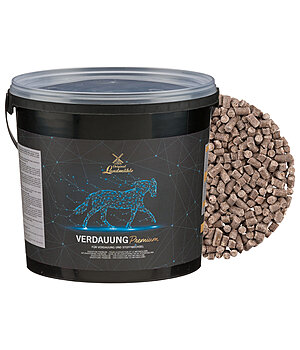
Original Landmühle
Digestion Premium
(£19.93 / 1 kg)£29.90 -
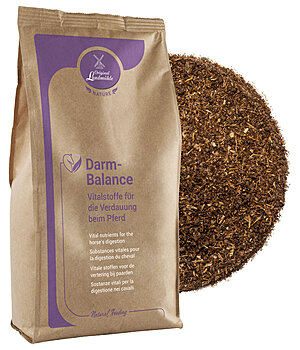
Original Landmühle
4.0 1
1
Gut Balance
(£12.90 / 1 kg)£12.904.0 1
-
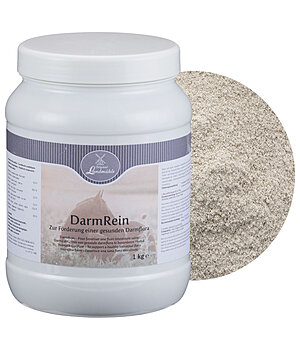
Original Landmühle
5.0 1
1
Stomach Powder GutPure
(£24.90 / 1 kg)£24.905.0 1
-
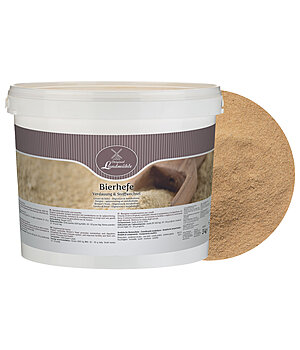
Original Landmühle
5.0 3
Brewer's Yeast
(£8.63 / 1 kg)£25.905.0 3
-
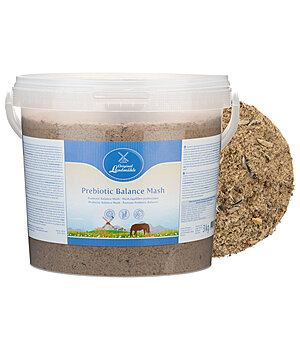
Original Landmühle
4.9 12
Prebiotic Balance Mash
(£8.63 / 1 kg)£25.904.9 12
-
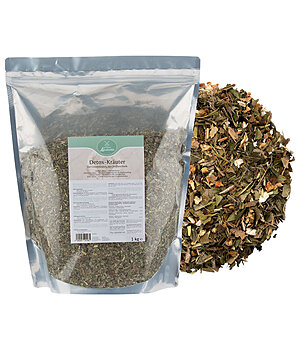
Original Landmühle
5.0 1
Detox Herbs
(£29.90 / 1 kg)£29.905.0 1
-
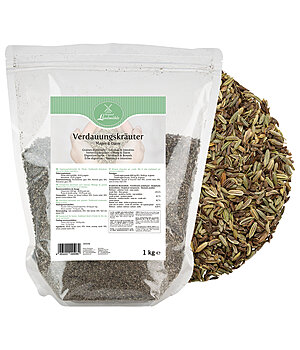
Original Landmühle
5.0 13
Digestive Herbs
(£27.90 / 1 kg)£27.905.0 13
-
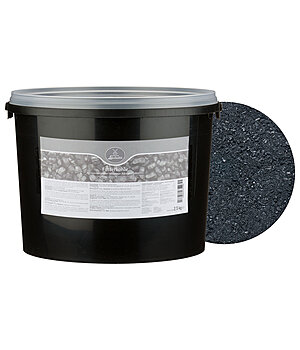
Original Landmühle
4.7 3
3
Feed Charcoal
(£12.76 / 1 kg)£31.904.7 3


You can find more helpful tips on how to “feed away“ free faecal water by reading our article on this topic.
The correct skin care for “free faecal water legs“
The acidic faecal water can irritate the horse’s leg skin. The horse’s legs and tail should therefore be cleaned regularly. Due to the frequency of washing, it is important to use a gentle, preferably natural shampoo for horses. Follow-up skin care is also recommended:
-
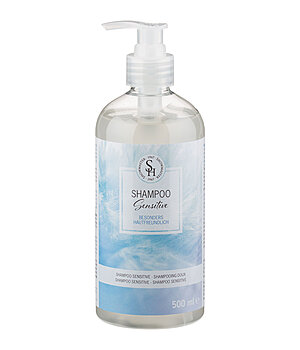
SHOWMASTER
Shampoo Sensitive
(£21.80 / 1 l)£10.90 -
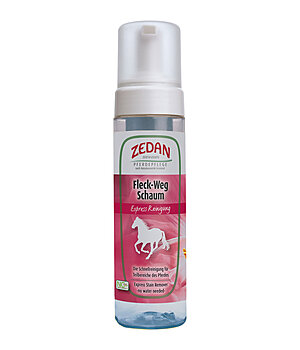
ZEDAN
Stain-Away Foam
(£54.50 / 1 l)£10.90 -
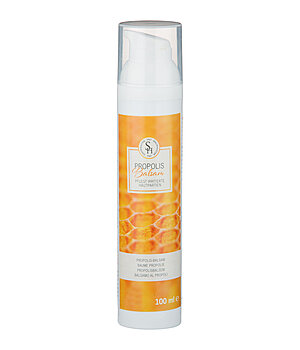
SHOWMASTER
5.0 8
Propolis Balm
(£129.00 / 1 l)£12.905.0 8
-
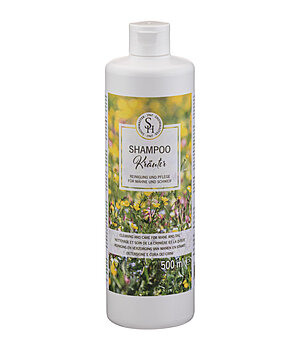
SHOWMASTER
4.8 6
Herbal Shampoo
(£16.98 / 1 l)from £8.494.8 6
-
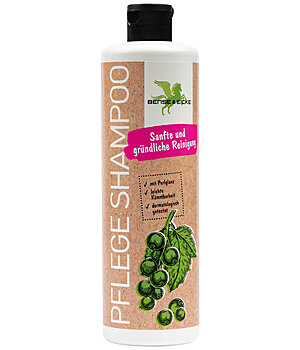
Bense & Eicke
5.0 2
Care Shampoo
(£17.98 / 1 l)from £8.995.0 2


