



Laminitis in horses: Early detection and treatment

Laminitis – Fact sheet
What? Inflammation of the laminar corium, associated with severe pain.
Who? Overweight, untrained horses; some breeds are predisposed to this condition due to their metabolism.
Causes? Overexertion (mechanical laminitis), obesity, diet, poisoning (inflammatory laminitis) and hormones (hormonal laminitis).
Symptoms? Warm hooves, Adopting a posture that is intended to relieve painful areas of the hooves (laminitic stance), frequent lying down, downwardly curved soles, poor general condition, in the worst case, ’founder‘ (the coffin bone rotates or sinks through the sole
Treatment? Cooling the hooves, soft bedding, thick padding on the hooves, reducing concentrates; if laminitis is not yet chronic, it is curable
What is laminitis in horses?
Laminitis is a painful inflammation of the laminar corium caused not by bacteria, but by a metabolic disorder or excessive strain on the limbs. A distinction is made between two forms: acute laminitis and chronic laminitis, which is characterised by acute flare-ups.
Symptoms – spotting the first signs of laminitis
An acute bout of laminitis occurs in two phases: the initial phase is initially symptom-free, with the horse showing no visible signs of pain. As a result, laminitis often goes unnoticed by the owner for several days, while the horse’s general condition gradually deteriorates.
Severe symptoms only appear during the inflammatory phase: the horse experiences pain in its hooves and limbs and will relieve this by shifting its weight (exaggerated heal first landing). This also makes it difficult or impossible to lift its hooves. The horse’s general condition deteriorates so severely that it even reduces its feed intake. Horses in particularly severe pain often lie down and display colic-like behaviour.

Another important sign of laminitis is the hoof itself: the vet will press down on the sole of the hoof with hoof forceps. If the horse recoils when the forcepse are applied, this is a clear sign of laminitis. Due to the inflammation and increased pulsation in the hoof, it is unusually warm, which can be felt especially at the coronet.
In chronic laminitis, the general condition is usually unaffected, but there are regular episodes of laminitis. The metabolism is finely balanced and reacts to even the slightest imbalance with an acute episode of laminitis. The quality of the hoof horn deteriorates and the white line widens. The hoof capsule also becomes de formed due to the change in gait caused by laminitis. In the worst case, the laminar corium is so damaged that the coffin bone first sinks and then rotates and presses against the sole. This causes the sole to bulge downwards. If the pressure becomes too great, the coffin bone can break through the sole, resulting in what is known as ’foundering‘. Foundering can mean a death sentence for many horses.
Causes of laminitis in horses
Even though laminitis often affects overweight and therefore untrained horses, being overweight is not the sole trigger. Different types of laminitis are caused by different factors: we distinguish between feed-related laminitis, overload laminitis and poisoning-related laminitis.
Feed-related laminitis:
If the horse gains fat deposits due to poor feeding and insufficient exercise, its metabolism becomes disrupted. The horse loses its sugar and insulin balance, and the insulin released no longer regulates blood sugar. In addition, the fat deposits release hormones that in turn stimulate the release of the stress hormone cortisol. The body is therefore under constant stress until the inflammatory substances kill healthy body cells. The inflammation becomes chronic, the liver and kidneys cannot keep up with the detoxification process and become damaged. In the long term, the laminar corium also becomes inflamed and feed-related or hormonally triggered laminitis develops.

Poisoning laminitis:
Laminitis can also be caused by toxins that have not been broken down. If the cause is not eliminated, the detoxification organs become overloaded. Several factors can lead to poisoning:
- Absorption of toxins such as mould, pesticides, poisonous plants
- Colic
- Gastrointestinal disorders
- Medication
- Retained fetal membranes in broodmares
Mechanical laminitis:
The laminar corium can become inflamed due to prolonged excessive strain, for example, from excessive or improper training. Continuous walking on hard, unyielding ground can also lead to overload laminitis, as can incorrect weight distribution. Poor hoof care and hoof malformations lead to reduced blood circulation and thus excessive strain on the hoof structures.
Treating laminitis: Is laminitis an automatic death sentence?
After a clinical examination involving palpation and assessment of the animal’s general condition, the vet may also take X-rays and perform a venography (imaging of the blood vessels using a contrast agent) to determine the severity of the laminitis.
The symptoms should usually subside after two to 14 days. However, the mortality rate among laminitis patients is relatively high at 33%, as a Danish study on the life expectancy of horses with laminitis has found1.
How can you treat an acute bout of laminitis? Reduce hard feed and cool the hooves. Not only does a cold water bath help, but cooling bell boots, boots and bandages can also be used.
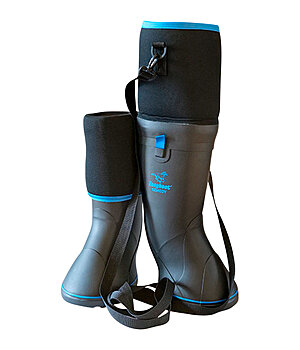
To reduce pressure on the painful sole, soft, sandy surfaces, thick bedding and cushioning bandages are useful. Hoof boots with thickly padded insoles are also valuable aids. Thick padding reduces the pull on the flexor tendon and relieves pressure on the laminar layer that supports the the coffin bone. This can counteract the rotation of the coffin rotation.
These measures should be maintained until the symptoms subside and the horse is moving pain-free. If possible, painkillers should be avoided so that the symptoms are not masked and the metabolism is not put under additional strain.
Helpers for an acute case of laminitis
-

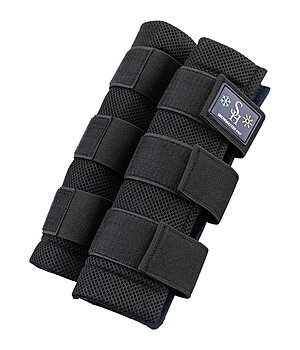
SHOWMASTER
Warming/Cooling Boots Compact
£16.90 -
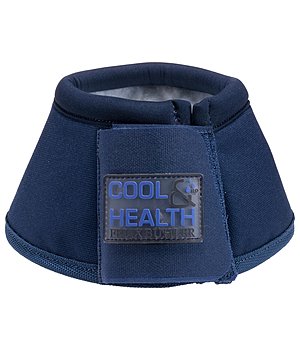
Felix Bühler
4.0 4
4
COOL & HEALTH Bell Boots
£14.904.0 4
-
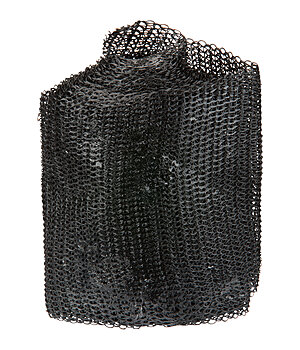
TechnoCast
Hoof Protection Bandage
£12.90 -

EasyCare
Easyboot Therapy Boot Remedy
£59.90from £29.95 -
EasyCare
Easyboot Therapy Boot Remedy Ultimate
£139.00£69.50


Achieve a balance between nutrition and exercise to prevent laminitis
To prevent metabolic imbalance and inflammation of the laminar corium, it is necessary to strike a balance between exercise and feeding according to the horse’s needs. Learn here what feeding a horse according to its needs looks like.
If the horse has already had a bout of laminitis, the liver and kidneys are no longer able to detoxify the body on their own. Lethargy, decreased performance, flatulence, colic, irritability and mood swings are early signs of laminitis. Support the metabolism and good blood circulation in a targeted manner. Continue to reduce the starch and sugar content in the feed to bring insulin and blood sugar levels back into balance.
Herbs to support horses with laminitis
-
Original Landmühle
4.8 5
5
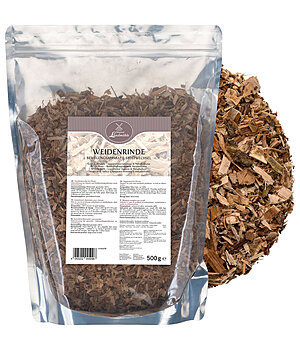
Willow Bark
(£21.80 / 1 kg)£10.904.8 5
-
Original Landmühle
5.0 9
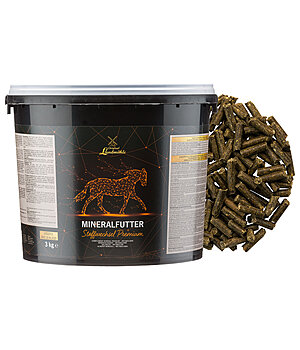
Mineral Feed Metabolism Premium
(£12.63 / 1 kg)from £37.905.0 9
-
Original Landmühle
4.6 5
5
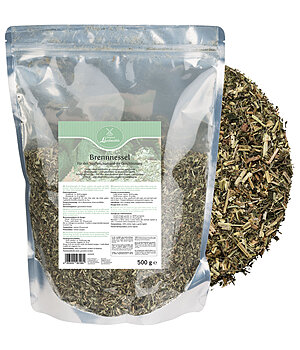
Stinging Nettle
(£33.80 / 1 kg)£16.904.6 5
-
Original Landmühle
4.5 2
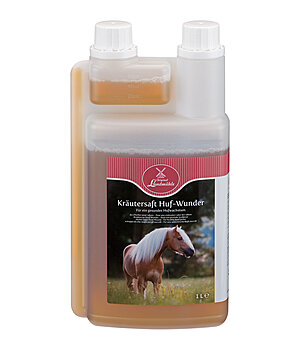
Herbal Liquid Hoof Miracle
(£21.90 / 1 kg)£21.904.5 2
-
Original Landmühle
5.0 1
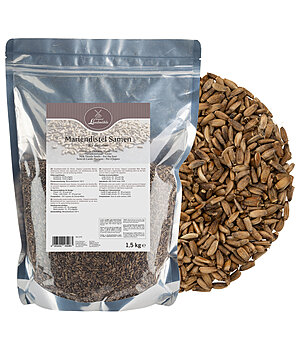
Milk Thistle Seeds
(£15.93 / 1 kg)£23.905.0 1
-
Original Landmühle
4.7 7
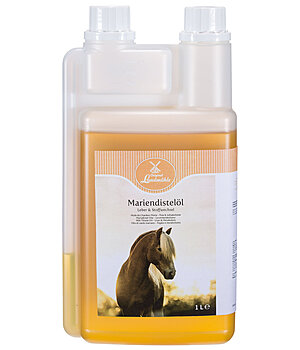
Milk Thistle Oil
(£14.90 / 1 l)£14.904.7 7
-
Original Landmühle
5.0 6
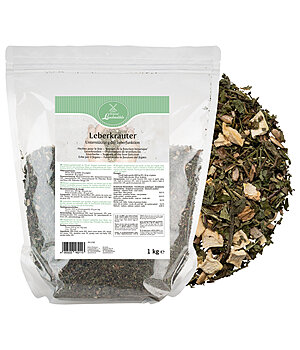
Liver Herbs
(£26.90 / 1 kg)£26.905.0 6
-
Original Landmühle
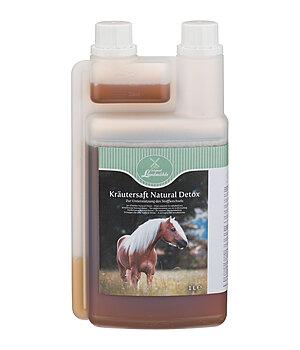
Herbal Juice Natural Detox
(£21.90 / 1 l)£21.90 -
Original Landmühle
5.0 1
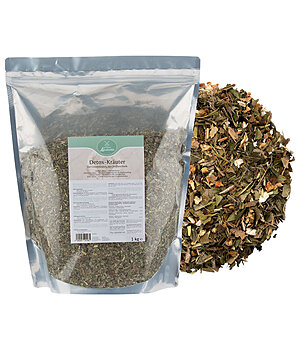
Detox Herbs
(£29.90 / 1 kg)£29.905.0 1


Exercise is essential for horses with laminitis in order to burn energy, stabilise blood sugar levels and promote blood circulation. Regular, consistent exercise helps with weight control and supports recovery after a laminitis flare-up. Exercise should be resumed as soon as possible after an acute laminitis flare-up. However, proceed with caution:
- Only hand-walk the horse for as long as it remains comfortable.
- Increase the duration of exercise slowly but steadily.
- If it becomes too much for the horse, reduce the duration of exercise.
- Choose soft surfaces or thickly padded hoof boots.
- Avoid tight turns; walk straight ahead as much as possible.
- Avoid maximum exertion; a steady walking pace is better.
- Do not hand-walk while under the influence of medication, and do not turn out the horse while on painkillers, it may overexert itself.
Although horses get plenty of exercise in the field, fresh grass can raise blood sugar and insulin levels. To prevent horses with laminitis from consuming excessive amounts of sugary grass, a muzzle or grazing muzzle can be used to regulate their feed intake.

Sources:
1N. Luthersson, M. Mannfalk, T. Parkin, P. Harris: Laminitis: Risk Factors and Outcome in a Group of Danish Horses, URL: https://www.sciencedirect.com/science/article/abs/pii/S0737080615300125 (Stand: 15.03.2024).