


Senior horses & appropriate nutrition – Gaining and maintaining weight
The average life expectancy of a horse is 20 to 30 years, although this varies depending on its living conditions and health. But at what age is a horse considered old? While we humans are still considered young at 20, a 20-year-old horse is 60 in human years. A 25-year-old horse would be 70 in human years, and so on.
Consequently, horse owners must be prepared for age-related changes in their horse from the age of 20 onwards.

But how can you tell if a horse is really ’old‘? As well as a general decline in performance, you can determine a horse’s age by the following physical characteristics:
- Muscle wasting for no apparent reason
- Sway back
- Poor feed conversion: the energy consumed is converted into body mass less efficiently
- Weight loss or underweight for no apparent reason
- White hairs, starting on the face
- Poorer and prolonged shedding
- Reduced bowel function, resulting in poorer digestion and nutrient absorption, and a higher risk of free faecal water
- Age-related diseases such as dental problems, temporomandibular joint osteoarthritis, metabolic disorders, hormonal imbalances with insulin resistance (PPID), osteoarthritis, laminitis

Maintaining a senior horse’s weight or helping it regain weight after losing it is sometimes more difficult than getting the horse to lose weight in the first place. Weight loss in older horses
usually happens more quickly than the laborious process of putting weight back on. Let’s take a detailed look at how to feed senior horses so they stay healthy, fit and at a good weight, including maintaining muscle mass.
Senior horses have different needs
Just as in humans, digestion and metabolism slows down in older horses. They find it harder to break down the food they eat and access its nutrients. Therefore, senior horses need easily digestible sources of nutrients (such as thermally processed or rolled feed) so that they can be absorbed freely through the intestinal wall.
Proteins and essential amino acids are at the top of the list of requirements for senior horses. Due to age-related muscle loss, senior horses require high levels of amino acids, ideally from high-quality protein sources. In addition to an increased feed intake, vitamins and minerals play a vital role in supporting the immune systems and metabolism of ageing horses.
Forage for older horses – How much hay does an older horse need?
Even in old age, forage in the form of high-quality hay remains the horse’s main source of energy and nutrients. It provides the gut with fibre to promote health, releases energy slowly to keep blood sugar levels stable, and generates body heat to keep the horse warm on cold days.
A senior horse in good condition should have access to at least 1.5-2% of its body weight in hay. If the horse is prone to being chronically underweight, it should have hay ad libitum. If a horse loses weight despite receiving the minimum amount of forage, the amount of hay can be increased.
Be careful of weight gain!
Just because a horse is old does not mean it is automatically underweight. Of course, older horses can suffer from being overweight, too. Particular care is needed here, as changes in metabolism mean excessive fat tissue can disrupt the horse’s hormonal balance. This can lead to laminitis, insulin resistance, Cushing’s disease and EMS. You should therefore always adjust the amount of feed you give to your senior horse to suit its needs.
Hay cobs: The go-to feed for senior horses
The amount of hay available to a senior horse is not always sufficient at the yard. In this case, additional feed is needed. However, before delving into the hard feed bag, consider supplementing with hay cobs or replacing missing hay. These are the closest to natural feeding, and when soaked they are easy to chew and digest. You can also more easily monitor and adjust protein levels by using different types of forage.

- Hay cobs: Hay cobs are compressed meadow hay and should only ever be fed to horses once they have been fully soaked. Otherwise, they will swell in the stomach and cause colic. As well as firmly compressed hay cobs, there are also loosely compressed ’soft‘ hay cobs, which soften more quickly.
- Alfalfa cobs: With their high protein content, alfalfa is a high-quality source of protein for older horses and ideal for fattening up underweight horses. When softened, they can also be eaten by horses with dental problems, as the alfalfa stalks are otherwise very hard and coarse.
- Sainfoin cobs: Sainfoin has an even higher protein content and offers better availability of the essential amino acids lysine, methionine and threonine. The proteins in sainfoin are very easily absorbed and converted into muscle.
- Beet fibre is readily accepted by fussy horses. However, due to its high sugar content, horses with insulin resistance should not be fed beet fibre.
Boosting the water intake of older horses with hay cobs:
Did you know that horses‘ natural thirst and need for water decreases with age? Soaking hay cobs provides your horse with essential fluids for healthy gut function and activity. To make digestion easier, warm the water used to soak the cobs so your horse does not waste valuable energy on this task.
Hard feed for senior horses
The same principles apply to older horses when it comes to hard feed: it should be easy to chew and digest, and contain high levels of readily available amino acids. As hard feed is highly compressed, particularly in pellet form, the horse’s body finds it difficult to access the nutrients when its metabolism slows down. It is therefore best to feed your senior horse a feed designed for older horses whose ingredients have been thermally broken down. You can supplement this with high-quality, energy-rich vegetable oils, such as linseed or milk thistle oil. These oils have an added benefit of giving your horse a shiny coat and healthy skin.
However, only give hard feed sparingly, especially if your senior horse is otherwise healthy. Too much hard feed or supplements are often unnecessary, as senior horses generally get everything they need from hay and vitamin and mineral feed. Even better: supplement selectively!
High-quality feed for the manger: SUPPLEMENTS for senior horses
-

Original Landmühle
4.9 14
14
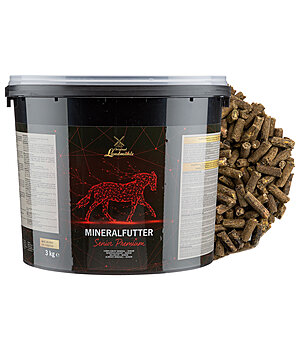
Mineral Feed Senior Premium
(£12.30 / 1 kg)from £36.904.9 14
-
Original Landmühle
4.5 2
2
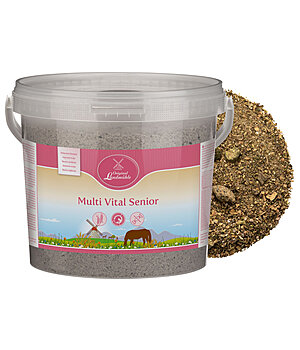
Multi Vital Senior
(£8.66 / 1 kg)£32.904.5 2
-
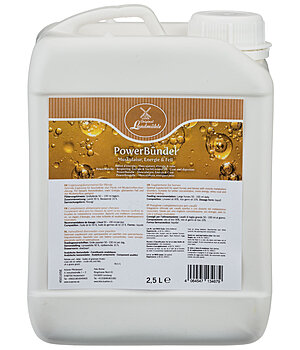
Original Landmühle
5.0 1
PowerBundle
(£11.16 / 1 l)£27.905.0 1
-
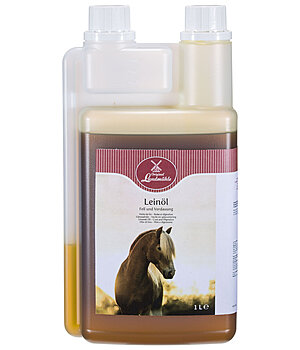
Original Landmühle
4.8 47
Linseed Oil
(£10.90 / 1 l)from £10.904.8 47
-
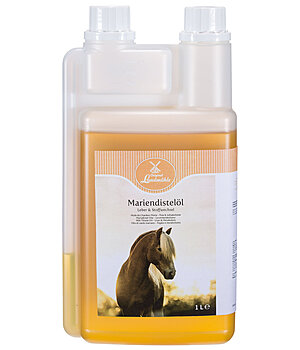
Original Landmühle
4.7 7
Milk Thistle Oil
(£14.90 / 1 l)£14.904.7 7
-
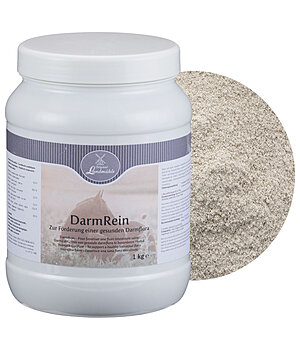
Original Landmühle
5.0 1
Stomach Powder GutPure
(£24.90 / 1 kg)£24.905.0 1


Targeted nutritional supplements for senior horses: Trace elements
You can find feeding tips for maintaining and building muscle in our dedicated guide. Otherwise, the following vitamins and minerals are important for maintaining muscle mass in older horses:
- B vitamins
- Vitamin D
- Vitamin A
- Iron
- Calcium & phosphorus
- Magnesium
- Selenium
Feed for senior horses‘ muscles
-
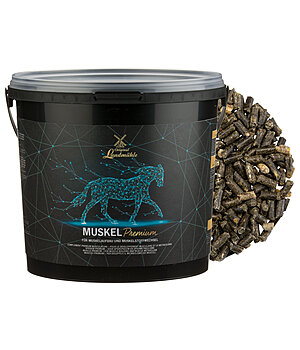
Original Landmühle
5.0 1
Muscle Premium
(£36.60 / 1 kg)£54.905.0 1
-
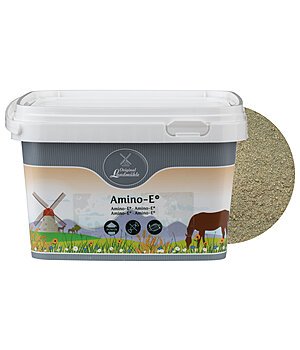
Original Landmühle
5.0 4
Amino-E+
(£30.75 / 1 kg)£36.905.0 4
-
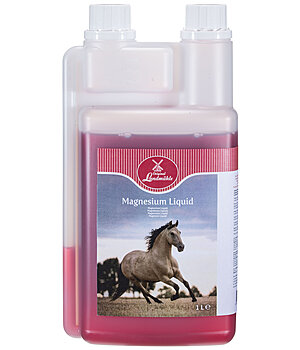
Original Landmühle
5.0 1
Magnesium Liquid
(£31.90 / 1 kg)£31.905.0 1
-
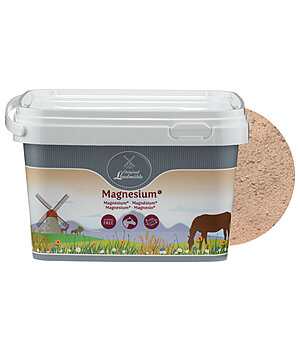
Original Landmühle
5.0 4
Magnesium +
(£24.92 / 1 kg)£29.905.0 4
-
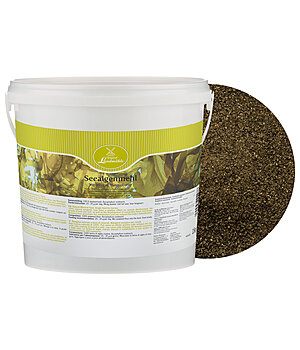
Original Landmühle
Seaweed Meal
(£17.27 / 1 kg)£25.90 -
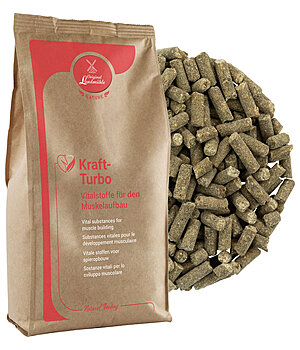
Original Landmühle
5.0 2
Power Turbo
(£21.90 / 1 kg)£21.905.0 2
-
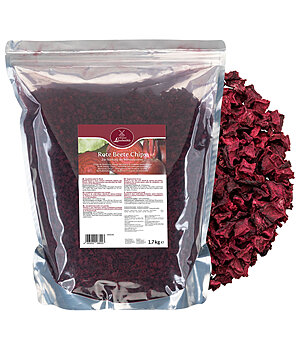
Original Landmühle
5.0 13
Beetroot
(£13.47 / 1 kg)£22.905.0 13


To help improve protein absorption and digestion in older horses with a slower digestive system:
- Iodine
- B vitamins, including biotin
Senior horses often struggle with coat changes, either failing to shed their long winter coat in spring or developing a dull, lacklustre coat. If this is the case with your horse, you can supplement its diet with the following:
- Biotin
- Zinc
- Selenium
- Copper
- Vitamin E
- Vitamin C
Senior feed for horses with difficulty shedding
-
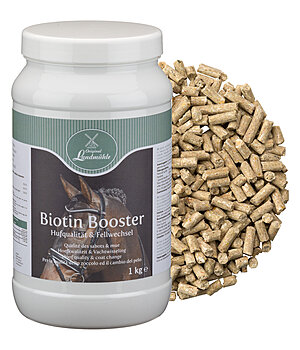
Original Landmühle
4.8 6
Biotin Booster
(£38.90 / 1 kg)£38.904.8 6
-
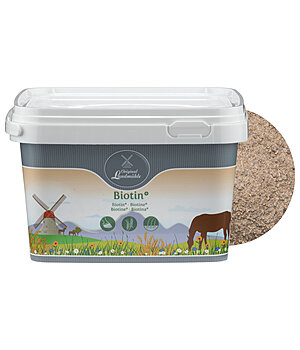
Original Landmühle
Biotin +
(£32.42 / 1 kg)£38.90 -
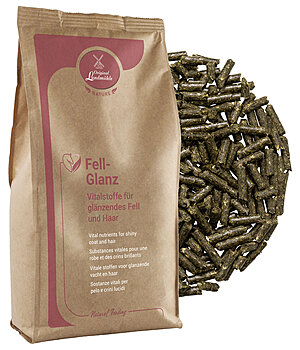
Original Landmühle
4.8 8
Coat Shine
(£18.90 / 1 kg)£18.904.8 8
-
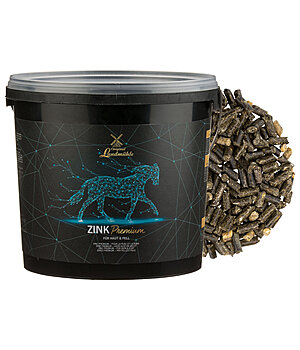
Original Landmühle
5.0 1
Zinc Premium
(£29.27 / 1 kg)£43.905.0 1
-
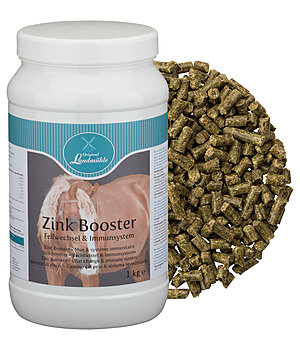
Original Landmühle
4.5 12
Zinc Booster
(£27.90 / 1 kg)£27.904.5 12
-
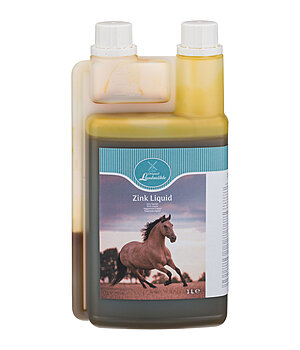
Original Landmühle
5.0 1
Zinc Liquid
(£28.90 / 1 l)£28.905.0 1
-
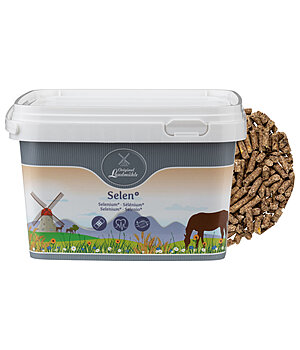
Original Landmühle
5.0 2
Selenium +
(£24.92 / 1 kg)£29.905.0 2


A natural boost to well-being: Herbs for senior horses
Herbal remedies can help to improve the health and wellbeing of senior horses. Herbal treatments can be particularly beneficial for digestive problems or general discomfort caused by changes in diet or the weather. Bear in mind that it takes herbal treatments 3 weeks to take effect, but they should not be administered for more than 6 weeks at a time. Depending on the desired effect, various herbs are suitable for older horses:
- Supporting bowel function: fennel, caraway and aniseed
- Stimulating the metabolism: artichoke, ginkgo, willow bark, dandelion, stinging nettle, birch and beetroot
- Relieving pain: devil’s claw and willow bark
- Strengthening the immune system: rose hips, echinacea and hawthorn
Kramer Equestrian offers supplements to meet almost every need of older horses.