



6 Tips For Supporting Your Horse With Osteoarthritis During Winter

Osteoarthritis in horses – Fact sheet:
What? A degenerative joint disease involving worn joint cartilage.
Who? Older horses and ponies with poor regenerative capacity, but also sport horses that are subjected to heavy strain.
Causes? Inadequate supply of cartilage-essential nutrients, incorrect use and overloading of the joints, injuries.
Symptoms? Pain when moving, manifested by stumbling, subtle to severe lameness.
Treatment? Osteoarthritis is treatable but not curable. Pain relief through medication, osteoarthritis supplements and heat.
What is osteoarthritis in horses?
Osteoarthritis refers to the wear and tear of joint cartilage, which leads to pain during movement. In addition, the synovial fluid that lubricates and nurtures the joints is no longer properly distributed. It contains hyaluronic acid and chondroitin sulphate and helps to maintain joint cartilage, but it only becomes fluid and distributed through movement.
Horses with osteoarthritis are particularly prone to pain in winter, as their metabolism slows down and their joints are no longer sufficiently lubricated with synovial fluid.
In horses, the fetlock joint, hock and knee are particularly affected by osteoarthritis, but the hoof joint is also affected in combination with podotrochlose (navicular syndrome). Osteoarthritis in horses is treatable but not curable. At best, the progression of the disease can be slowed down or stopped.
Causes of osteoarthritis in horses:
- Poor cartilage regeneration in old age
- Insufficient supply of cartilage-essential nutrients
- Overloading or incorrect loading, e.g. when jumping, hoof malformation, muscle strain, obesity
- Constant cold starts, no warm-up before work, rushing to the field after a night in the stable
- Persistent lack of exercise
- Trauma and incorrectly healed bone fractures
- Improper rearing with insufficient exercise, insufficient supply of nutrients (starting in the womb)
Symptoms: Recognising osteoarthritis in horses
Osteoarthritis is a gradual process, and at first the horse may even be able to walk without pain. As the damage worsens, the horse stumbles and looks „not quite right“ more and more, until it eventually becomes lame. A characteristic feature of osteoarthritis is that the horse needs to warm up before it can walk normally. In bad weather, the horse moves much more stiffly and has a shortened gait. Unfortunately, osteoarthritis in horses can only be detected by X-ray when significant damage is already present. Information about degeneration of the soft tissues can only be obtained by MRI. Therefore, if lameness is observed or osteoarthritis is suspected, it is important to contact a vet immediately.
6 Tips for Horses with Osteoarthritis:
1. Support cartilage development
Unless cartilage is constantly subject to wear and tear, new cartilage can form. Cartilage growth can be supported by providing a targeted diet rich in nutrients that are crucial for cartilage, such as chondroitin sulphate, glucosamine and hyaluronic acid. These nutrients are particularly abundant in New Zealand green-lipped mussels. However, the levels in green-lipped mussels can be subject to significant fluctuations. A sensible alternative are osteoarthritis supplements, which contain high doses of these nutrients. Supplements for osteoarthritis are particularly well accepted in liquid form.
Other important nutrients that meet the horse’s needs through high-quality vitamin and mineral supplements are copper, manganese, zinc and selenium, as well as collagen and sulphur in the form of MSM.
-

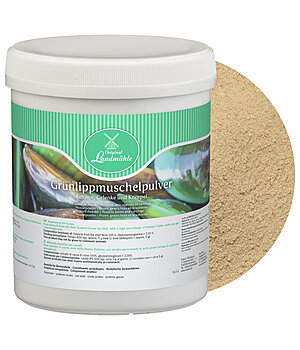
Original Landmühle
4.4 10
10
Powdered Mussels
(£219.00 / 1 kg)from £21.904.4 10
-
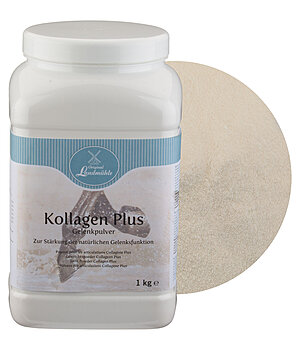
Original Landmühle
4.5 2
Joint Powder Collagen Plus
(£54.90 / 1 kg)£54.904.5 2
-
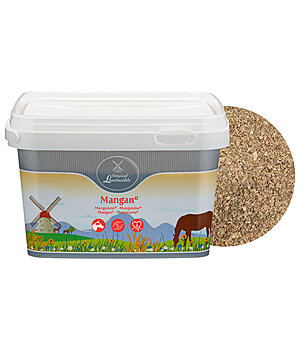
Original Landmühle
Manganese +
£25.90 -
Original Landmühle
5.0 2
2
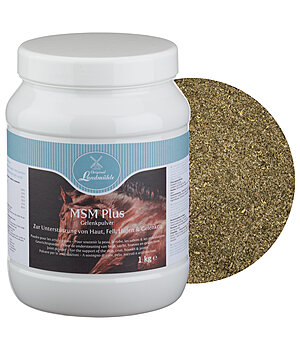
MSM Plus
(£49.90 / 1 kg)£49.905.0 2
-
Original Landmühle
5.0 3
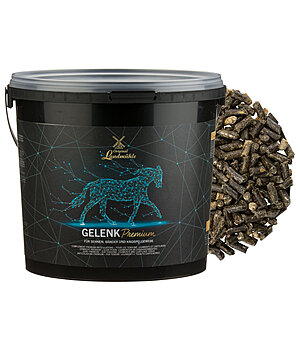
Joint Premium
(£33.27 / 1 kg)£49.905.0 3
-
Original Landmühle
4.9 10
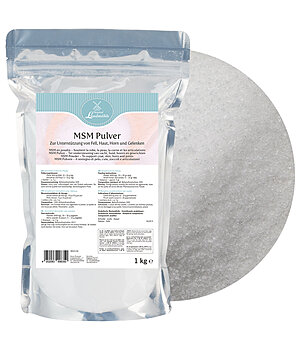
MSM Powder
(£25.90 / 1 kg)£25.904.9 10


2. Inhibiting inflammation with devil’s claw
When it comes to osteoarthritis in horses, devil’s claw is indispensable. This sesame plant from Africa is rich in bitter compounds that only work when taken together. Devil’s claw is primarily an anti-inflammatory and analgesic, which is why it can provide relief for horses with osteoarthritis and aching joints. Devil’s claw also has a purifying and detoxifying effect and stimulates the metabolism. This makes it easier to remove and eliminate broken-down inflammatory substances.

Devil’s claw is recommended as a temporary treatment, as long-term use can lead to tolerance in horses. However, it takes three to four weeks for the effects to kick in. We therefore recommend an eight to ten-week course of devil’s claw treatment, at a dose of 20-30g per day for a 600kg horse. Original Landmühle offers devil’s claw in either liquid or dried form.
Caution should be exercised with pregnant mares and horses with gastric ulcers: they should not be given devil’s claw, as it can cause irritation of the stomach lining. For horses with sensitive stomachs, Original Landmühle offers boswellia, ginger or hemp seeds as natural anti-inflammatories.
3. Pain relief with willow bark
Willow bark contains glucoside salicin, which is converted into salicylic acid in the body. Salicylic acid is a precursor of acetylsalicylic acid, which is also found in aspirin. Willow bark can therefore have anti-inflammatory, analgesic and anti-rheumatic effects. To achieve its full effect, we recommend pouring hot water over the willow bark and leaving it to steep for 15 minutes before feeding. Original Landmühle offers willow bark for horses and joint blends for this purpose. These can be supplemented with rose hips, which are not only rich in vitamin C but can also have analgesic effects.
Remember:
Giving your horse pain-relieving supplements can mask lameness, making it difficult to determine the severity of osteoarthritis. We recommend that you always consult your vet about your horse’s diet if osteoarthritis is suspected.
4. Using heat-reflecting horse rugs to relax muscles
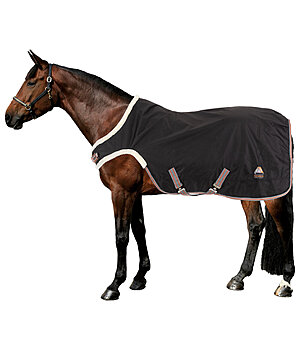
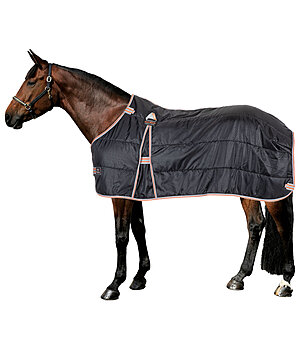
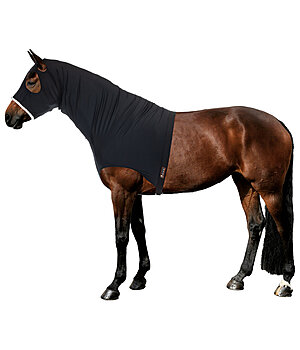
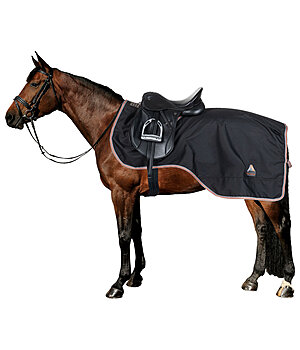
Muscle tension can cause incorrect weight distribution on the joints and lead to osteoarthritis in horses. If a horse adopts a protective posture when in pain, the muscles stiffen even more, further exacerbating the incorrect weight distribution – a vicious circle. Heat relaxes the muscles and eases tension in the horse’s body. If you don’t have a solarium at your yard, you can use heat-reflecting horse rugs from Ceramic Rehab. The ceramic fibres in these rugs retain body heat, like a ceramic stove, and radiate it back into the body as infrared heat. The deep heat has a particularly relaxing effect on the horse’s muscles and psyche. improved blood circulation also transports away inflammatory substances, which leads to increased well-being for the horse.
-
Felix Bühler
4.5 2
Walker Rug Ceramic Rehab
£119.004.5 2
-
Felix Bühler
Ceramic Rehab Liner and Stable Rug, 100g
£99.90 -
Felix Bühler
Sleazy Ceramic Rehab
£109.00from £89.90 -
Felix Bühler
Exercise Rug Ceramic Rehab, 0g
from £89.90 -
Felix Bühler
5.0 1
Saddle Pad Ceramic Rehab Cotton
£64.905.0 1


5. Soothe aching joints with heat-reflecting boots
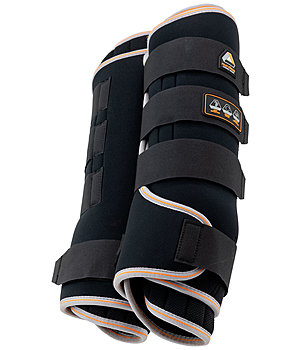
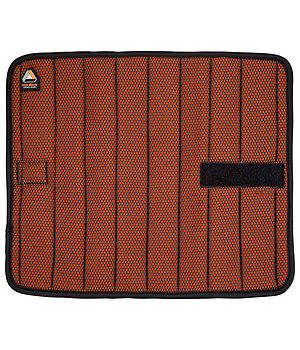
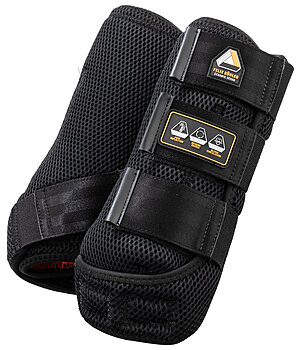
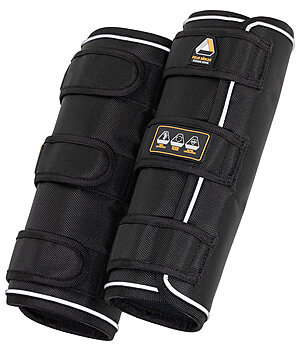
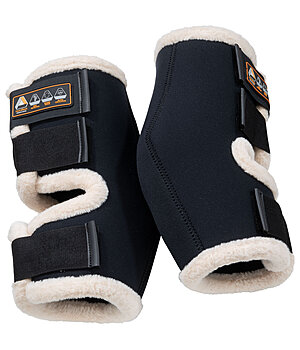
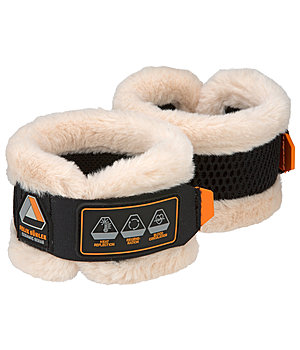
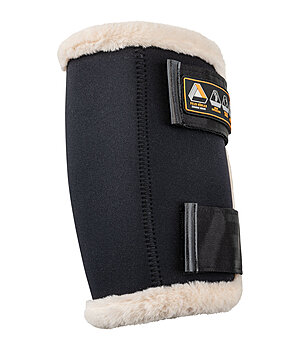
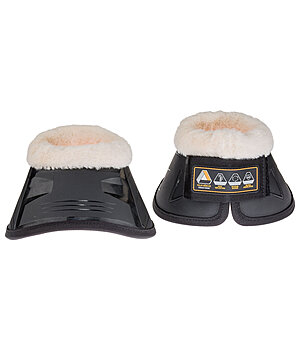
For providing targeted heat to the joints, there are heat-reflecting boots with integrated ceramic fibres. Just like heat-reflecting rugs for horses, they reflect body heat in the infrared range and penetrate deep into the joints. The dilated blood vessels facilitate blood flow and improve the flow of synovial fluid. This reduces painful pressure in the joints. Heat-reflecting boots are therefore particularly useful in winter for horses with osteoarthritis. They can also prevent ‚cold starts‘ after a night’s rest in the stable, as the joints cool down less quickly when wearing heat-reflecting boots.
Ceramic Rehab offers not only stable and paddock boots for osteoarthritis, but also boots to protect the fetlock, knee and hock joints.
Ceramic Rehab Boots
-
Felix Bühler
5.0 2
Stable Boots Ceramic Rehab
£74.905.0 2
-
Felix Bühler
Leg Wraps Ceramic Rehab
£27.90 -
Felix Bühler
5.0 1
Ceramic Rehab Work Boots
£59.905.0 1
-
Felix Bühler
Paddock Boots Ceramic Rehab
£59.90 -
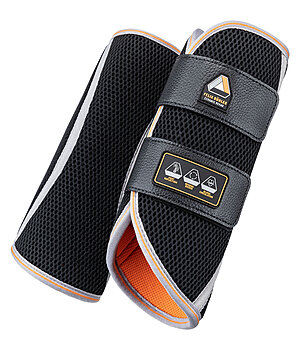
Felix Bühler
Air Mesh Work Boots Ceramic Rehab
£49.90 -
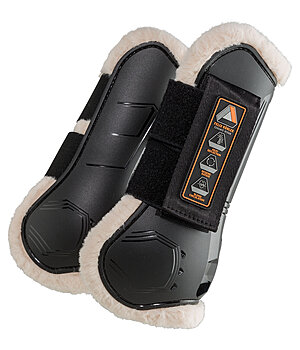
Felix Bühler
Hard Shell Boots Ceramic Rehab
£64.90 -
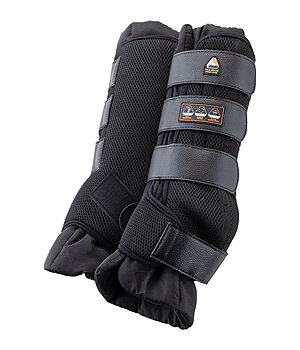
Felix Bühler
4.8 4
Summer Stable Boots Ceramic Rehab
£74.904.8 4
-
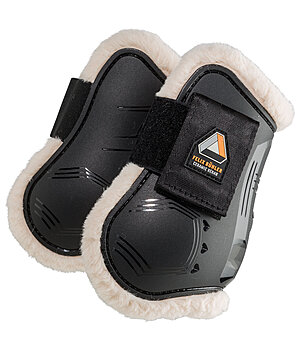
Felix Bühler
Fetlock Boots Ceramic Rehab
£49.90£39.90


Ceramic Rehab für Fetlock, Knee and hock
-
Felix Bühler
5.0 3
Hock Boots Ceramic Rehab
£59.905.0 3
-
Felix Bühler
3.5 2
2
Fetlock Protection Ceramic Rehab
£21.903.5 2
-
Felix Bühler
Knee Protectors Ceramic Rehab
£54.90 -
Felix Bühler
4.0 2
2
Anti-Twist Bell Boots Ceramic Rehab
£43.904.0 2
-
Felix Bühler
Fetlock Boots Ceramic Rehab
£49.90£39.90


Important note regarding heat and osteoarthritis:
In the case of acute inflammation (arthritis), heat is an absolute no-go! Heat causes the inflammation to worsen. For inflammation, apply cold treatments. Consult your vet about the use of heat/cold treatments.
6. Prevention and gentle exercise
Prevention is still the best remedy for osteoarthritis in horses. Therefore, the horse should be warmed up for at least 15 to 20 minutes at a walk, to allow the joint fluid the opportunity to circulate properly. During the warm-up period and for horses with sensitive joints, tight turns and hard stops should be avoided. Lungeing and working in a round pen are therefore not recommended.
Horses with osteoarthritis that are free of pain should be exercised in such a way that muscular imbalances are compensated for in the long term, preventing further incorrect loading. Regular daily exercise at a walk is generally important for horses with osteoarthritis in order to stimulate the production of synovial fluid. Even turnout may not be sufficient if the paddocks are small. Hand-walking outside or in the arena should be part of the daily routine – especially when the weather changes and temperatures drop from day to night or vice versa.
When riding, the condition and slope of the ground should be taken into account. The horse should be ridden on the flattest surface possible to prevent overload and the worst-case scenario, inflammation.
Additional preventive measures for osteoarthritis include:
- Long daily turnout or keeping in a field
- Cool-down periods after work
- Professional hoof care, remedial shoeing if necessary
- Regular physiotherapy, exercises that can be performed independently if necessary, for example with balance pads
- Rugging in winter