


New horses & yard changes: How to manage transitioning feed
Moving a horse – whether through a purchase or a yard change – is an exciting event for both horse and human. It always means stress for the horse, which is unexpectedly taken out of its familiar environment. This stress affects not only the horse’s psyche but also its sensitive digestion. To make the transition from unfamiliar to familiar gentler for the horse, let it arrive in peace first, get to know you and the surroundings, and allow its digestion to adjust to the new feed situation. Horses are flight animals and creatures of habit that react extremely to even the smallest changes. This also applies to matters of feed.
Regardless of the reason, to ensure that the transition to a new feed situation is as smooth as possible, we have compiled some tips for you.

Starter kit for a new horse
-

STONEDEEK
4.7 9
9
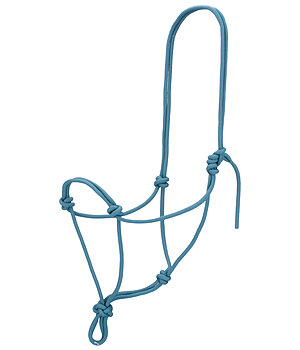
Quality Rope Halter
£17.904.7 9
-
SHOWMASTER
5.0 3
3
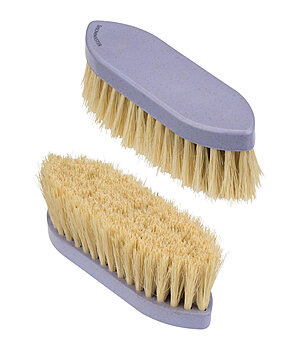
Grooming Brush Circle of Life
£10.905.0 3
-
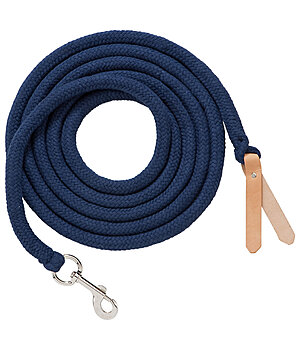
STONEDEEK
4.1 10
10
Lead Rope Bolt Snap
from £18.904.1 10
-
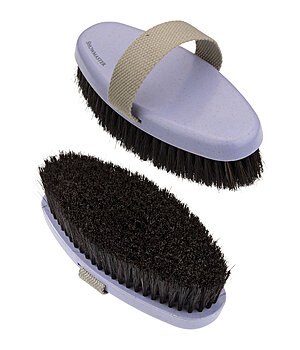
SHOWMASTER
5.0 2
Body Brush Circle of Life
£10.905.0 2
-
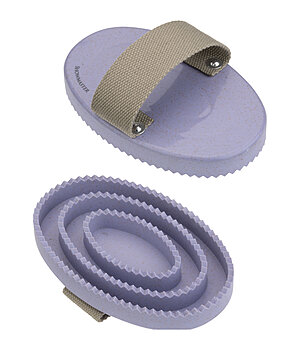
SHOWMASTER
5.0 1
Curry Comb Circle of Life
£6.495.0 1
-
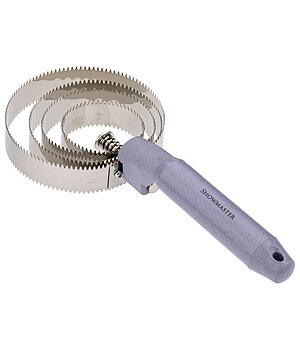
SHOWMASTER
5.0 1
Reversible Metal Curry Comb Circle of Life
£7.995.0 1
-
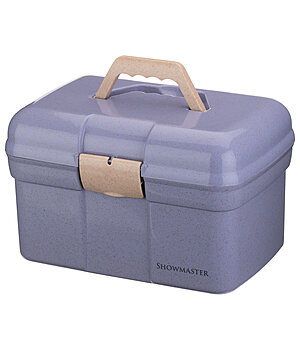
SHOWMASTER
5.0 1
Grooming Box Circle of Life
£16.905.0 1
-
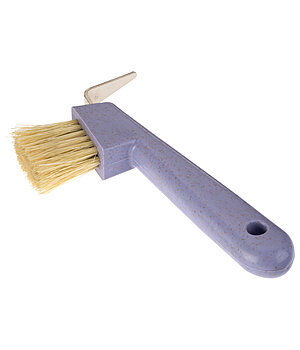
SHOWMASTER
4.7 3
Hoof Pick Circle of Life
£4.994.7 3


Why does the feed need to be changed at all?
Even small changes can lead to disorders of the gastrointestinal tract like free faecal water, diarrhoea or colic. Horses have very sensitive digestion, the balance of which is maintained by trillions of gut microbes. These bacteria, fungi and single-celled organisms necessary for the horse are extremely delicate and adapt to the respective nutrient base (feed). Therefore, when changing feed, it is much more about adapting the microorganisms rather than the horse itself.
In our guide on horse feeding basics, we take a closer look at the horse’s digestive system.
So be very careful when changing feed. Depending on the extent of the feed change, it takes more or less time for the horse’s digestive system to readjust. For example, twice a year, the horse’s gut bacteria must adapt to changes with fresh grass in spring and hay in winter. This usually takes about six weeks. See our grazing plans for this.


If you change the concentrated feed, you should allow about 2 weeks. You should consider the same timeframe when changing the type of forage.
Transitioning feed: Step by step to a new feed plan
No feed transition should happen overnight – avoid an abrupt feed change at all costs. It only leads to digestive disorders with free faecal water syndrome and colic. To ensure a gentle transition, proceed step by step:
New concentrated feed
When you bring in a new horse or you need to acclimate your horse to a new feed composition for other reasons, plan at least two weeks for the transition. Start by replacing small portions (¼) of the old concentrated feed with new feed. Observe how your horse reacts to the new composition, whether it develops free faecal water, and whether its general condition either improves, deteriorates or remains the same. Gradually reduce the ratio of the old feed while increasing the ratio of the new concentrated feed. You can read how feed can affect free faecal water here in our guide.
When moving a horse to a new yard after purchase, you should take home sufficient concentrated feed from the old yard. This way, you can make the transition more horse-friendly and spare the horse a lot of stress during the move.

Grains – Adding oats to the feed
Leisure horses usually do not need additional, easily available energy from sources like oats. If the horse still requires more energy and you want to add oats, proceed gradually. Start with small amounts (max. 100g per day) and increase them slowly. When adding oats to the concentrated feed, keep the amount of concentrated feed constant and mix in some oats if needed.
Forage – From hay to haylage
As with concentrated feed, the transition to a different type of forage should be done slowly. When changing yards or purchasing a horse, take sufficient hay from the previous yard to allow the horse to gradually adjust to the hay quality in the new yard.

If you switch the horse from hay to haylage for health reasons, for example, start by mixing only small amounts of haylage into the hay portion. Not all horses tolerate haylage equally well, as larger quantities of lactic acid bacteria can enter the digestive tract. The low pH value of haylage, between 4.0 and 4.5, can quickly cause excess acidity in the horse’s stomach, disrupting the sensitive intestinal flora. Compared to highly acidic silage, however, the moister haylage is still better and more suitable for horses with allergies.
Properly supporting the horse during a yard change
A high-quality vitamin and mineral supplement should be part of every horse’s feed ration. It doesn’t matter whether the feed is being changed or a yard move is taking place. Always ensure adequate mineral provision.
FOR SUPPLYING MINERALS
-
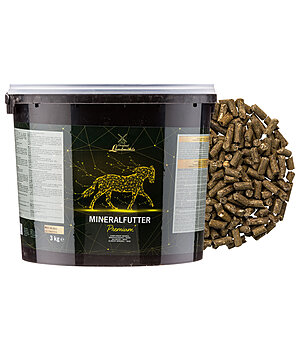
Original Landmühle
5.0 7
Mineral Feed Premium
(£10.97 / 1 kg)from £32.905.0 7
-
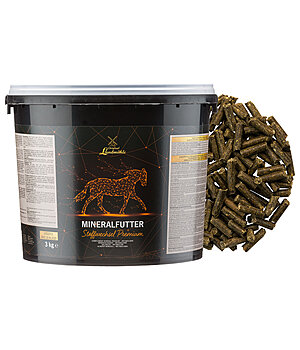
Original Landmühle
5.0 9
Mineral Feed Metabolism Premium
(£12.63 / 1 kg)from £37.905.0 9
-
Original Landmühle
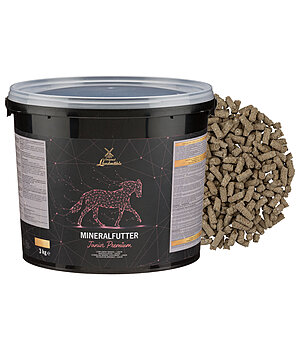
Mineral Feed Junior Premium
(£10.97 / 1 kg)£32.90 -
Original Landmühle
4.9 14
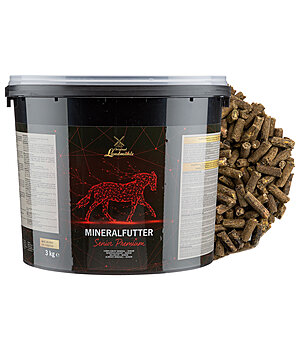
Mineral Feed Senior Premium
(£12.30 / 1 kg)from £36.904.9 14
-
Original Landmühle
4.8 5
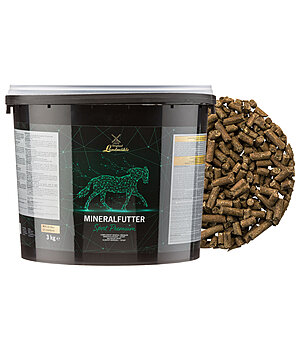
Mineral Feed Sport Premium
(£10.97 / 1 kg)from £32.904.8 5


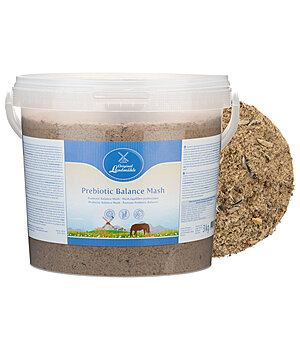
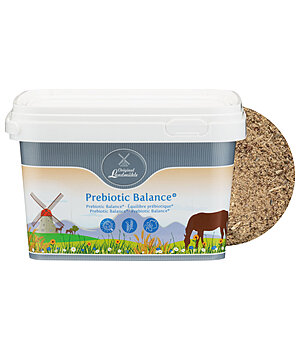
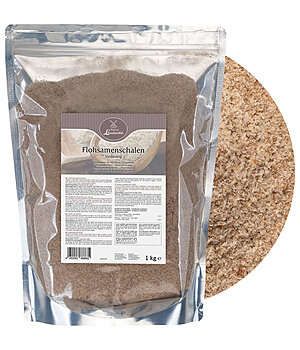
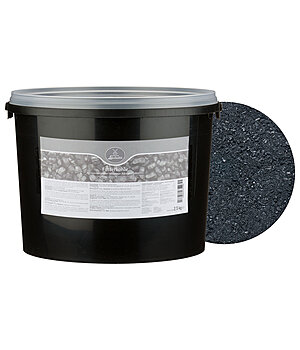
With feed charcoal, prebiotic feeds and digestive herbs, you can support your horse’s gut bacteria. Quite often, horses suffer from free faecal water or other digestive tract disorders due to stress from new situations.
WELL-SUPPLIED DURING THE FEED TRANSITION
-
Original Landmühle
5.0 1
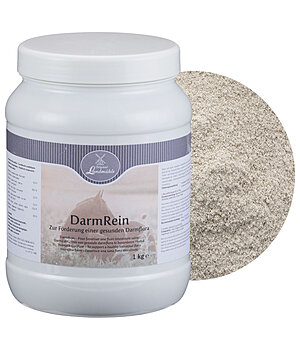
Stomach Powder GutPure
(£24.90 / 1 kg)£24.905.0 1
-
Original Landmühle
4.9 12
Prebiotic Balance Mash
(£8.63 / 1 kg)£25.904.9 12
-
Original Landmühle
4.9 7
Prebiotic Balance +
(£19.92 / 1 kg)£23.904.9 7
-
Original Landmühle
4.6 10
Psyllium Seed
(£32.90 / 1 kg)£32.904.6 10
-
Original Landmühle
4.7 3
Feed Charcoal
(£12.76 / 1 kg)£31.904.7 3
-
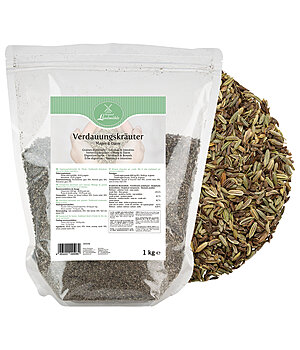
Original Landmühle
5.0 13
Digestive Herbs
(£27.90 / 1 kg)£27.905.0 13
-
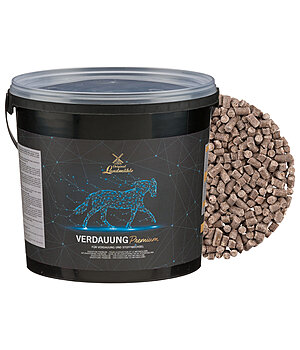
Original Landmühle
Digestion Premium
(£19.93 / 1 kg)£29.90 -
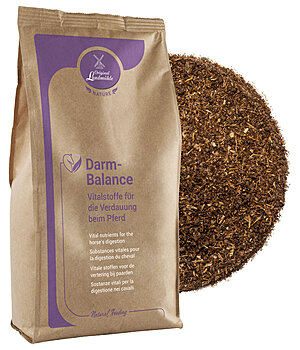
Original Landmühle
4.0 1
Gut Balance
(£12.90 / 1 kg)£12.904.0 1
-
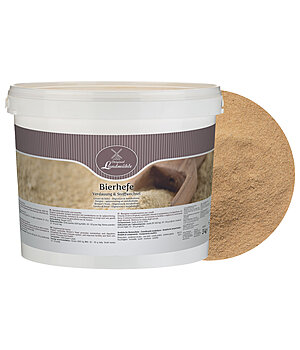
Original Landmühle
5.0 3
Brewer's Yeast
(£8.63 / 1 kg)£25.905.0 3
-
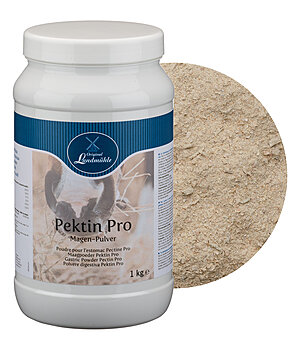
Original Landmühle
5.0 1
Gastric Powder Pectin Pro
£43.905.0 1


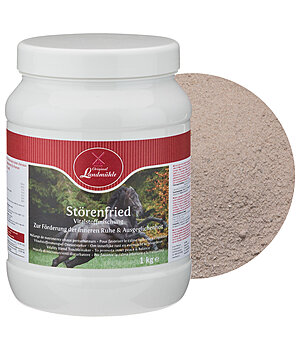
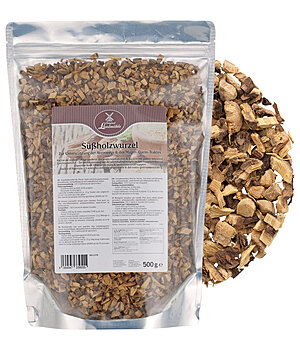
A yard change can be nerve-wracking. To prevent the horse from becoming too overwhelmed by the move, supplementing with „nerve feed“ can be beneficial. Start at least two weeks before the move to allow the feeds to take effect. Some mares may become strongly estrous under moving stress, adding unrest to the new herd dynamics. In such cases monks pepper, raspberry leaves, hops and cinnamon can positively influence hormone balance.
FOR CALM NERVES DURING A YARD CHANGE
-
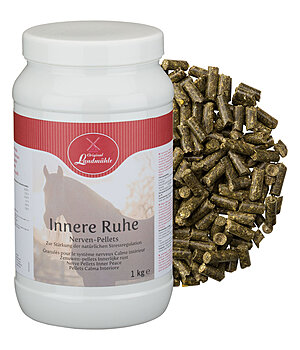
Original Landmühle
4.7 7
Nerve Pellets Inner Peace
£27.904.7 7
-
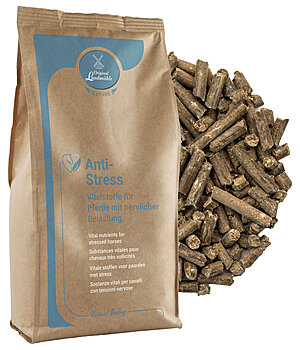
Original Landmühle
4.7 3
Anti-Stress
(£18.90 / 1 kg)£18.904.7 3
-
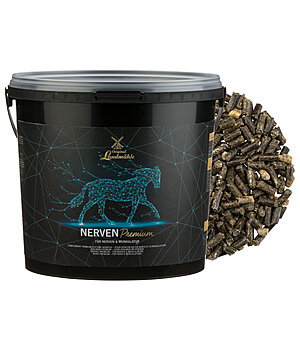
Original Landmühle
Nerves Premium
(£27.93 / 1 kg)£41.90 -
Original Landmühle
Vitality Blend Troublemaker
£36.90 -
Original Landmühle
5.0 3
Liquorice Root
(£25.80 / 1 kg)£12.905.0 3
-
Original Landmühle
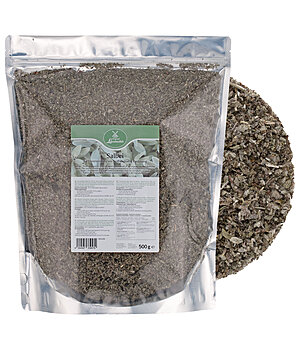
Sage
(£27.80 / 1 kg)£13.90


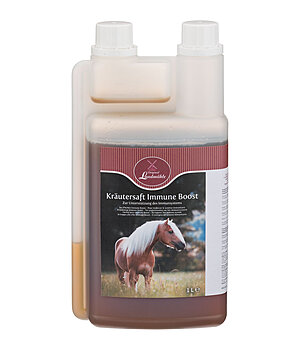
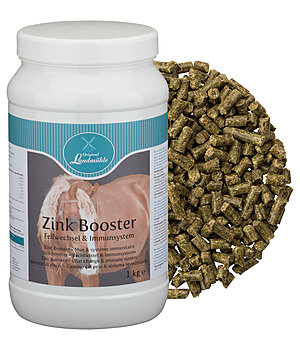
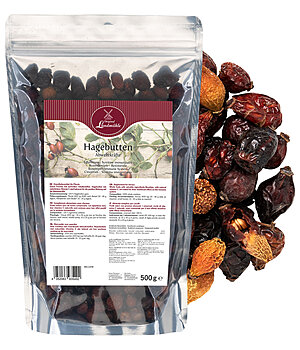
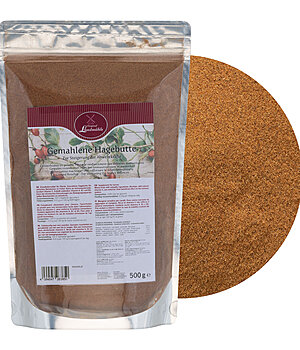
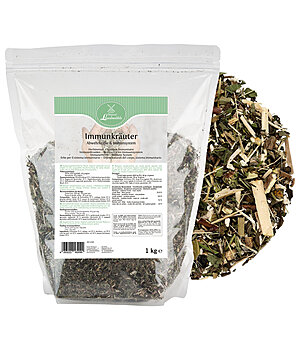
Since stress can also affect the immune system, it’s advisable to target support for it. You can do this with rosehips, Herbal Juice Immune Boost or our Zinc Booster from Original Landmühle. For tips on strengthening your horse’s immune system in winter, refer to our guide on the subject.
STRONG IMMUNE SYSTEM DURING A YARD CHANGE
-
Original Landmühle
4.8 5
Herbal Juice Immune Boost
(£21.90 / 1 l)£21.904.8 5
-
Original Landmühle
4.5 12
Zinc Booster
(£27.90 / 1 kg)£27.904.5 12
-
Original Landmühle
4.8 16
Rose Hips
(£25.80 / 1 kg)from £12.904.8 16
-
Original Landmühle
5.0 7
Ground Rosehip
£13.905.0 7
-
Original Landmühle
Immune Herbs
(£27.90 / 1 kg)£27.90 -
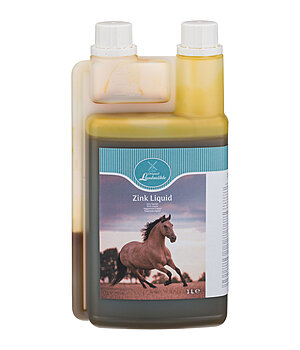
Original Landmühle
5.0 1
Zinc Liquid
(£28.90 / 1 l)£28.905.0 1


