


Supporting muscle development in horses – Feeding tips
Are you having difficulty getting your horse to gain weight and build muscle? Neither training by itself with no protein supplementation, nor a diet of protein-rich feed by itself, will support the growth and building of your horse’s muscles. Building muscle involves a combination of the right training, keeping, nutrition and overall health.

Why muscle development is so important for horses
Horses have around 520 muscles, accounting for 40% of their total body weight. These various muscles enable the body to jump and move in a stable and powerful manner. Muscles are also essential for unconscious contractions, such as the heartbeat. Animals like horses need their muscles for both performance and survival. Having healthy, strong muscles is crucial for all horses, no matter their age or what they do, from young to old, from sport horses to retired horses.
Muscle metabolism changes with age, and it becomes more difficult for older horses to maintain their muscle mass. Typical signs of muscle wasting in older horses include a ’swayback‘, protruding ribs and sunken hindquarters, accompanied by a rapid decline in performance. This is due to poorer nutrient utilisation, which makes it more difficult for older horses to absorb nutrients such as essential amino acids – the building blocks of muscle. Owners with older horses need to pay closer attention to ensure a consistent supply and adequate supplementation of amino acids.
When we talk about muscle building in horses, we do not mean an increase in the number of muscles. This is because the number of muscle fibres and bundles is detemined by genetics and therefore finite. When we say that we want a horse to gain muscle, we’re referring to an increase in muscle massby increasing the number of cells within the muscle. This is achieved by pushing the muscle to its limits and exposing it to a growth stimulus. In response to this stimulus, the muscle cells multiply, provided that the organism has the necessary building blocks available.
Building blocks for muscle development in horses – What do muscles need to grow?
The basic building blocks of muscles are amino acids, which in turn combine to form proteins. A distinction is made between essential and non-essential amino acids; the latter can be produced by the body itself, while essential amino acids must be supplied to the body through food. In strength training, the essential amino acids lysine, methionine and threonine are particularly important.
As a guideline, a horse needs between 0.5 and 1g of protein per kg of body weight daily. If a horse doesn’t get enough protein, it won’t have the building blocks for muscles or the enzymes involved in muscle metabolism. Conversely, despite intensive training, a horse cannot build muscle without amino acids.
Additionally, amino acids also act as signal transmitters in muscle metabolism, where these building blocks are needed in the first place.
Our tip: The amino acid compound L-carnitine (a compound of lysine and methionine) is essential for transporting energy reserves in the muscles and mobilised fat deposits. For horses with increased protein requirements, we recommend Original Landmühle Muscle Premium. The spirulina algae and soya it contains are valuable sources of protein and provide L-carnitine, among other things, to support muscle metabolism and muscle building during training. Suitable for horses in high-performance sports, leisure horses or stiff horses with tense muscles.

Customer feedback indicates that Original Landmühle Muscle Premium is eagerly eaten and well accepted.
Horses requiring increased amino acid intake:
- Older horses
- Young, growing horses
- Horses in training
- Horses with metabolic disorders such as EMS, PPID or PSSM
MG, B1, B2 AND E – MORE NUTRIENTS FOR BUILDING MUSCLE
-

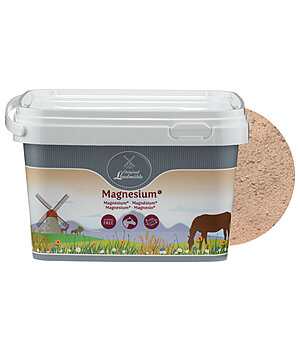
Original Landmühle
5.0 4
4
Magnesium +
(£24.92 / 1 kg)£29.905.0 4
-
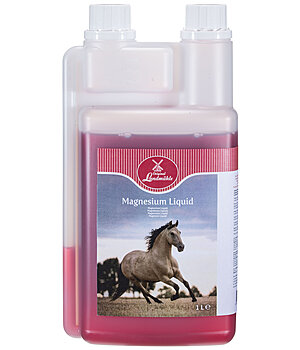
Original Landmühle
5.0 1
Magnesium Liquid
(£31.90 / 1 kg)£31.905.0 1
-
Original Landmühle
5.0 4
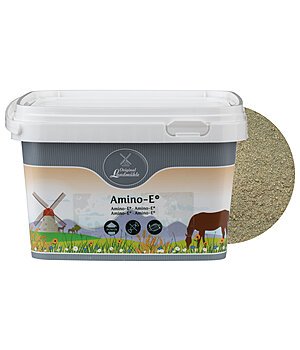
Amino-E+
(£30.75 / 1 kg)£36.905.0 4
-
Original Landmühle
5.0 3
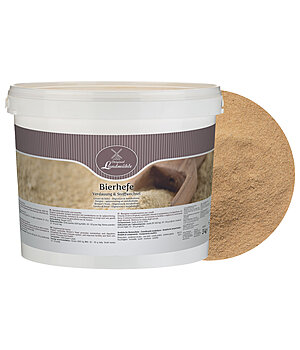
Brewer's Yeast
(£8.63 / 1 kg)£25.905.0 3
-
Original Landmühle
4.3 3
3
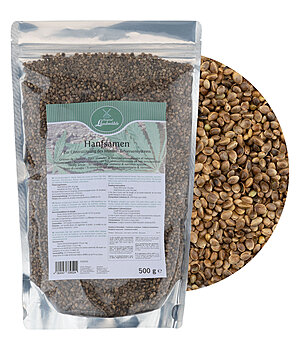
Hemp Seeds
(£19.98 / 1 kg)£9.994.3 3
-
Original Landmühle
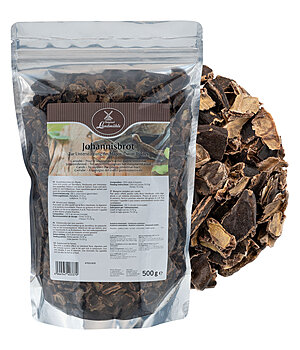
Carob
(£21.80 / 1 kg)£10.90 -
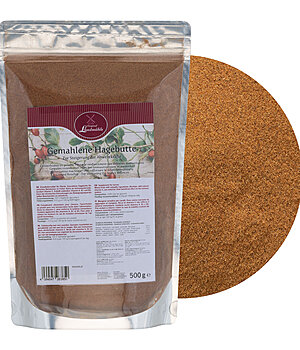
Original Landmühle
5.0 5
Ground Rosehip
£13.905.0 5


Which feeds help in building and maintaining muscle in horses?
All horse feed contains some protein, but the amount varies depending on the feed. Hay and grass, for example, also contain proteins that can help support horses in maintaining muscle mass. However, the time the grass is harvested changes the composition: the older the grass, the more lignified it becomes – increasing the lignin content. This means an animal’s body has to expend more energy in order to access and break down proteins into amino acids. As a result, amino acids are less available to horses in hay from late harvests. Even in heavily lignified alfalfa, which is otherwise very high in protein, an animal’s body can only access the nutrients after expending a great deal of energy. An earlier harvest and younger pasture grass results in lower lignin content, and higher digestibility of the proteins within.

If a horse has an increased protein requirement, it is recommended to feed not just high-quality hay from the first cut, but also recommended to provide a supplement with high protein digestibility. In supplements for muscle development, the proteins are already broken down into easily available amino acids to facilitate absorption through the intestinal wall.
Caution: Protein which the horse cannot metabolise directly in its muscles will pass undigested into the large intestine. Horses cannot store protein for use in subsequent muscle building. An excess of protein can make horses ill; typical symptoms of over-consumption of protein include:
- Filled legs
- Flatulence and digestive disorders such as diarrhoea and free faecal water
- Itching and even sweet itch
- Overloading of the liver and kidneys
This is why feed designed to build muscle is only suitable for horses with increased protein requirements. For all other horses, hay and normal hard feed are sufficient to provide them with essential amino acids.
HORSE FEED FOR BUILDING MUSCLE FROM ORIGINAL LANDMÜHLE
-
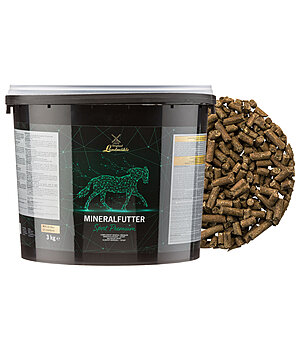
Original Landmühle
4.8 5
Mineral Feed Sport Premium
(£10.97 / 1 kg)from £32.904.8 5
-
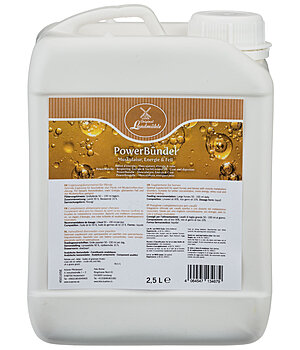
Original Landmühle
5.0 1
PowerBundle
(£11.16 / 1 l)£27.905.0 1
-
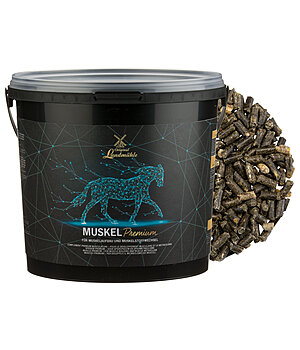
Original Landmühle
5.0 1
Muscle Premium
(£36.60 / 1 kg)£54.905.0 1
-
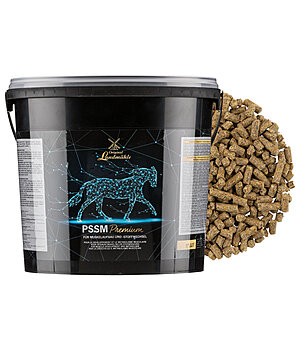
Original Landmühle
Muscle Metabolism Premium
(£21.93 / 1 kg)£32.90 -
Original Landmühle
5.0 4
Amino-E+
(£30.75 / 1 kg)£36.905.0 4
-
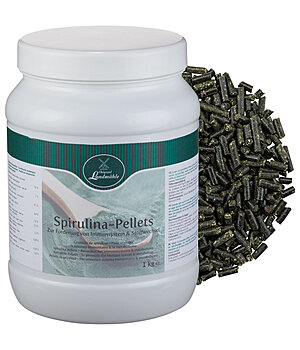
Original Landmühle
Spirulina Pellets
£37.90


Additional nutrition tips for muscle growth:
- Common protein sources: Soya, brewer’s yeast, linseed, sunflower seeds. Soya in particular is easily digestible for horses due to its composition and is often used in supplements for sport horses.
- Oats: Oats are easily digestible for horses and, with a protein content of 9-11%, also contain many readily available amino acids. Horses can also digest the carbohydrates in oats well, providing them with a quick source of energy needed for training and muscle growth.
- Gut health: Healthy intestines are equally important for muscle growth in horses and for the absorption of digested nutrients. For a healthy digestive system, we recommend feeding mash, boiled linseed or psyllium husks as part of a treatment programme. You can find more information on digestion in horses in our guide „Digestive problems in horses – Healthy intestines all year round“.
- Timing: It’s best to feed protein-rich feed either 2 hours before or shortly after training to boost the absorption of amino acids. This is when the muscles are particularly active and need their building blocks for growth.
Targeted muscle building: Feeding horses in harmony with training
In addition to nutrition, balanced training plays a crucial role in ensuring healthy and sustainable muscle growth in horses. A balance between rest and exercise is just as important as variety in the training itself to provide the muscles with as many different stimuli as possible.

Don’t neglect rest periods! During the regeneration phase, the muscles multiply their muscle cells (volume) to be able to perform better the next time they receive a stimulus. This is why it is advisable to feed protein-rich food around the time of training to enhance this effect.
On the other hand, you should avoid overtraining. This only leads to hyperacidity in the muscles and tends to cause muscle breakdown, which is counterproductive.
Recommended forms of training for targeted muscle building are:
- Groundwork
- Lungeing
- Cavaletti and pole work
- Hacking with hill work and inclines
- Interval training according to Geitner
Healthy muscle growth takes time. Although initial results may be visible within the first four weeks, and the horse may appear more muscular, actual muscle strength only increases after approximately three months of solid training and consistent high-quality feeding.