


Feeding horses in autumn: Ensuring a smooth transition from pasture to stable
As autumn sets in, the grass loses its succulence and begins to store its energy reserves. Therefore, just as in spring, caution is advised due to rising fructan levels. But there are also changes in the weather and temperature fluctuations, cold nights and warm days, and possibly new keeping conditions starting in winter, when horses move from pasture back into stables or smaller paddocks – there are many factors that can cause stress in horses during autumn and thus put a strain on their digestion. Added to this is the coat change, which begins after the summer solstice and also places demands on the metabolism. As a healthy gut flora is the best protection against infections for the horse, you should pay attention to a few points when feeding your horse in autumn to prevent colic, laminitis, itching, etc.
Feeding horses in autumn: Ensuring a gentle transition
Just as when horses are turned out in spring, the switch from summer feed to winter feed should be made gradually in autumn. The gut bacteria need up to six weeks to adapt to the feed, which will henceforth consist mainly of dry matter. Horses that are regularly supplemented with hay throughout the year find the transition easier. It is more difficult for horses that spend the entire summer months turned out. It is therefore important to wean them off pasture grass slowly and gradually. As the grass gradually runs out, hay should be introduced early on.

Be careful with hay that is too fresh: The hay should have been stored for at least 6-8 weeks, and hay rich in herbs for up to 12 weeks, before it is fed. Otherwise, the drying process is not yet complete and ingestion can lead to harmful gas formation in the horse’s gut – resulting in gas colic. Ideally, old hay (from the previous year) and new hay (from this year) should be mixed to ensure the dietary transition is as gentle as possible for the gut bacteria.
In autumn, many vitamins are no longer available to the horse, which is particularly noticeable in older and sick horses. First and foremost, the horse should always be provided with a high-quality vitamin and mineral supplement containing all the essential trace elements. You can also compensate for the vitamin deficiency with herbs. We have compiled a list of 15+ superfoods for your horse for this purpose.
Linseed oil also has a positive effect on the horse’s immune system, particularly in autumn during the transition to a new diet and the change of coat. However, as oil is not a natural feed for horses, you should only feed it in small quantities, with a maximum of 1ml per kilogram of body weight.
Carrots can be another source of vitamins from autumn onwards. During the summer months, the horse can meet its vitamin A requirements through fresh grass, where the vitamin is present in its precursor, beta-carotene. When the horse is then brought into the stable, it can occasionally be fed carrots, which also contain beta-carotene, with a dash of linseed oil. Adding a little linseed oil facilitates the absorption of the vitamin into the body.

Particularly in autumn, stress and the risk of infection increase for horses due to over-grazed pastures and the move from paddocks to smaller areas. This can weaken the gut flora, which contains important defences that protect the stomach, aid digestion and strengthen the immune system. Soothing herbs such as fennel, caraway and aniseed are therefore very beneficial for the horse’s stomach and entire digestive tract in autumn. The mucilage from linseed, either as a swollen slurry or in a mash, can also help the horse with digestive problems.
SUPPORTING HORSES DIGESTION IN AUTUMN
-

Original Landmühle
4.6 10
10
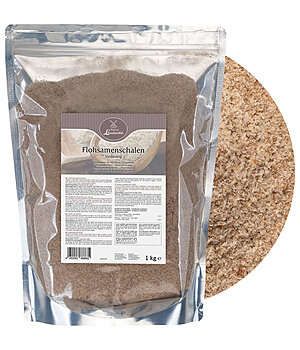
Psyllium Seed
(£32.90 / 1 kg)£32.904.6 10
-
Original Landmühle
5.0 13
13
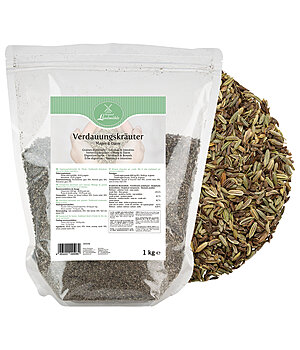
Digestive Herbs
(£27.90 / 1 kg)£27.905.0 13
-
Original Landmühle
5.0 6
Prebiotic Balance +
(£19.92 / 1 kg)£23.905.0 6
-
Original Landmühle
4.9 11
Prebiotic Balance Mash
(£8.63 / 1 kg)£25.904.9 11
-
Original Landmühle
4.8 11
Linseed Cake
(£4.78 / 1 kg)£23.904.8 11
-
Original Landmühle
4.8 6
Autumn & Winter Herbs
(£27.90 / 1 kg)£27.904.8 6
-
Original Landmühle
5.0 13
Digestive Herbs
(£27.90 / 1 kg)£27.905.0 13
-
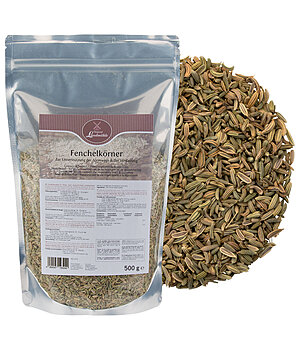
Original Landmühle
5.0 6
Fennel Seeds
(£25.80 / 1 kg)£12.905.0 6
-
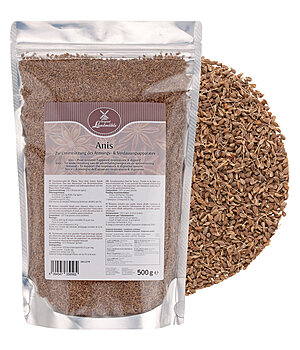
Original Landmühle
5.0 1
Aniseed
(£27.80 / 1 kg)£13.905.0 1


Supporting the autumn coat change
From late August into September, the hair simply falls out in droves when grooming. However, the horse begins preparing for winter as early as the summer solstice on 21st June by replacing its short summer coat with a long, warm winter coat.
As always, a supply of minerals is essential for this. In principle, the horse does not require any further supplements if it is provided with all necessary minerals throughout the year. However, if the horse has a dull, lacklustre coat and appears very listless, these may be signs of a deficiency. During this period, the horse may also be more susceptible to illness, which is why you may need to increase its intake of zinc, copper, selenium and vitamins B, C and E. This can be particularly the case with hardy breeds with thick coats, such as Icelandic horses, Noriker horses, Fjord horses and Tinkers.
You can find more information on the coat change in our guide, which offers tips on how to better manage your horse’s coat change. And in our online shop, you can buy grooming products, feed and grooming equipment to better support your horse during the coat change.
SUPPORTING THE COAT CHANGE WITH MINERALS
-
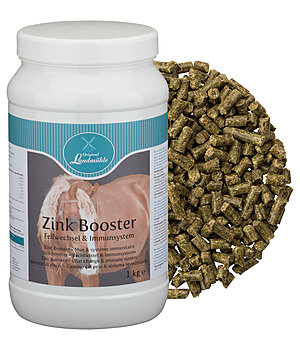
Original Landmühle
4.5 12
Zinc Booster
(£27.90 / 1 kg)£27.904.5 12
-
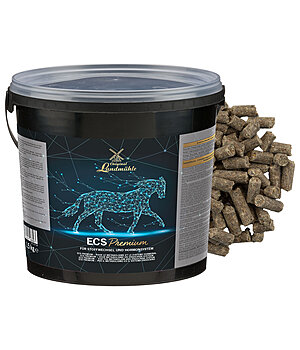
Original Landmühle
ECS Remedy Premium
£27.90 -
Original Landmühle
Powder Blend ImmuneStrength
(£34.90 / 1 kg)£34.90 -
Original Landmühle
Herbal Liquid Skin Miracle
(£21.90 / 1 l)£21.90 -
Original Landmühle
4.8 46
Linseed Oil
(£10.90 / 1 l)from £10.904.8 46
-
Original Landmühle
4.8 11
Linseed Cake
(£4.78 / 1 kg)£23.904.8 11
-
Original Landmühle
4.8 4
Biotin Booster
(£38.90 / 1 kg)£38.904.8 4
-
Original Landmühle
5.0 1
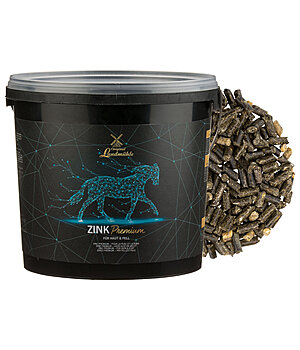
Zinc Premium
(£29.27 / 1 kg)£43.905.0 1
-
Original Landmühle
4.8 8
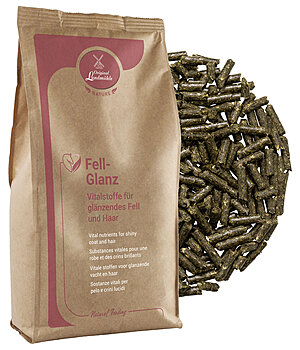
Coat Shine
(£18.90 / 1 kg)£18.904.8 8
-
Original Landmühle
5.0 1
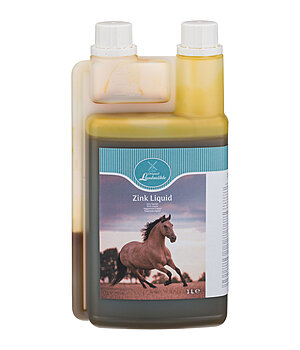
Zinc Liquid
(£28.90 / 1 l)£28.905.0 1


Also important in autumn: Time to start using rugs
If you want to or need to rug your horse in winter, then autumn can be a challenging time. Cold nights and warm days, combined with the growing winter coat, make it difficult to decide when to rug your horse and when it’s better not to. To help you out, we’ve summarised some tips in our guide „Rugging, changing rugs & more – we explain the timing and how many grams!“.
You can also find suitable horse rugs for every weather condition in our horse rugs category.

Risk of laminitis in autumn
One of the triggers for laminitis can be the long-chain sugar molecule fructan found in grass. Horses cannot metabolise this, or can do so only poorly, because they simply lack the enzyme required. If the horse ingests large amounts of fructan from the grass, much of it reaches the large intestine undigested, ferments there and causes the gut flora to become overly acidic, leading to its death. The toxins released as a result enter the bloodstream and can ultimately trigger laminitis.
We discuss the various causes of laminitis in more detail in our guide on laminitis in horses.
Many horse owners are particularly concerned about the onset of laminitis during the spring grazing season. However, the weather in autumn is similar, with the difference that the grass does not need its energy in the form of sugars for growth, but instead stores it. This leads to an increased concentration of fructans in the grass, which is why horses are more prone to developing laminitis in autumn than in spring.
Furthermore, if horses remain on over-grazed pastures, this stresses the grass, causing it to store fructans as well. For this reason, horse pastures should – where possible – not be grazed down to less than 5cm, and the horses should be moved to another area beforehand. Particularly in autumn, when the supply of forage decreases, it is necessary to start supplementing with hay early on. This allows the horses to eat their fill of hay and nibble on the grass stubs merely for entertainment. Furthermore, the transition to winter feeding is then not too abrupt.
Feeding horses according to the seasons
Spring: Acclimating horses correctly to grass & Feeding horses properly in spring
Summer: Special challenges of feeding horses in summer
Autumn: Weaning horses off grass correctly in autumn
Winter: Feeding horses in winter – Keeping them fit and healthy during the cold season