


Colic in Horses – The Right Diet Afterwards
Proper feed management can prevent colic or drastically reduce the risk. If an acute case does occur, you can take these first aid steps.
But what happens after the colic has been successfully treated? When can you start feeding your horse again post-colic? Read on to find out.

For acute cases: Withhold feed and water
The first and most important step for acute cases of colic is to withhold access to water and feed to avoid further irritation of the already disrupted intestines. Only when the symptoms have completely subsided, and following the vet’s instructions, can you slowly start feeding again.
The right nutrition after colic
Veterinary advice should be followed when feeding after a bout of colic. The following tips are intended as general guidance and should be adapted to individual circumstances.
Generally speaking, colic causes disruption and slowing of the digestive tract, i.e. intestinal activity is reduced for a variety of reasons. This causes the intestinal functions to become unbalanced as a result of colic. Feeding after recovery from colic should therefore aim to restore the gut bacteria.
In the first two weeks after colic, any feed containing grain should be avoided completely. The starch it contains would only put excessive stress on the digestive tract, especially since at this point, the gut bacteria are not yet back to normal. The starch cannot be broken down, so it reaches the large intestine and leads to acidosis (over-acidification of the intestine), which causes further diseases.
To get the intestinal activity going again, the horse should be given plenty of fibre-rich carbohydrates in the form of high-quality forage. Increased forage and water intake is particularly important after impaction colic.

In addition to hay, sufficiently soaked hay cobs can be used: this provides the horse with both forage and water, creating a smooth mash that prevents further constipation.
Mash can be a good choice of feed after colic, as it counteracts intestinal sluggishness and helps to rebuild healthy gut bacteria. Mash can also be fed preventively to horses prone to colic. Depending on the type of mash, there are prebiotic, digestion-promoting and mucus-forming varieties, as well as varieties that stimulate circulation. These can be fed in summer to horses with poor circulation who are prone to colic symptoms in hot weather. Mash is also suitable for feeding horses that have lost a lot of weight due to colic. Make sure that you use grain-free mash and bear in mind that some types of mash containing phosphorus-rich wheat bran should not be fed on a daily basis over a long period of time.
Mash for colic
-

Original Landmühle
4.9 11
11
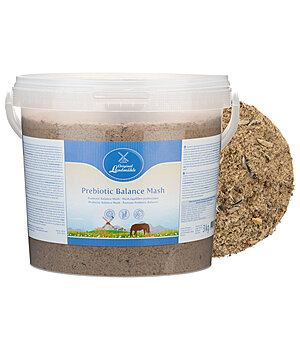
Prebiotic Balance Mash
(£8.63 / 1 kg)£25.904.9 11
-
Original Landmühle
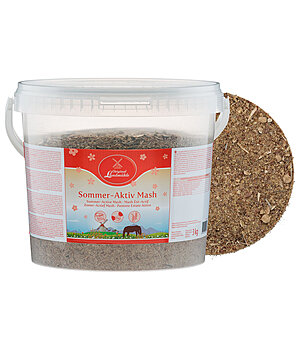
Summer Active Mash
(£11.16 / 1 kg)£27.90 -
Original Landmühle
5.0 3
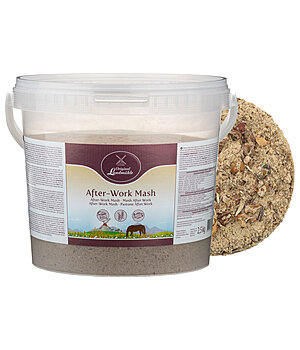
After Work Mash
(£10.36 / 1 kg)£25.905.0 3
-
Original Landmühle
5.0 1
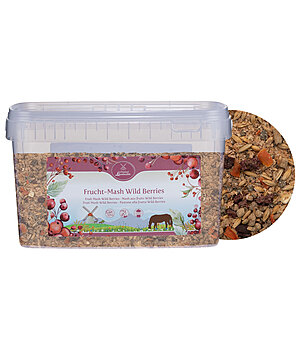
Fruit Mash Wild Berries
(£11.16 / 1 kg)£27.905.0 1
-
Original Landmühle
4.7 3
3
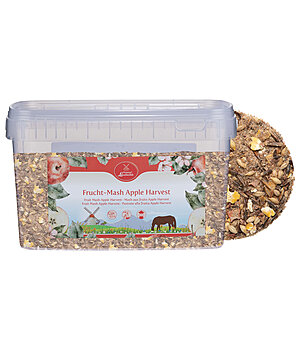
Fruit Mash Apple Harvest
(£11.16 / 1 kg)£27.904.7 3
-
Original Landmühle
5.0 1
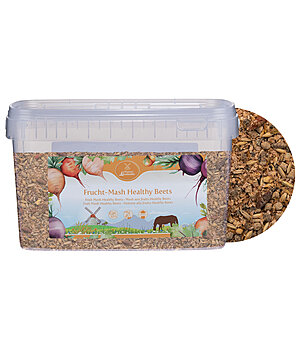
Fruit Mash Healthy Beets
(£11.16 / 1 kg)£27.905.0 1


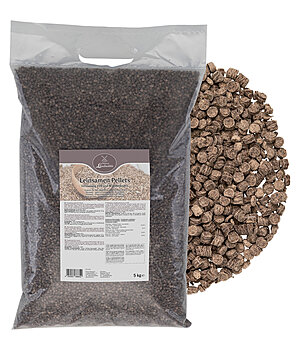
Mucilage, as found in boiled linseed, forms a protective layer over the intestinal wall and supports the regeneration of the gut bacteria. Boiled linseed can be fed to horses on its own or mixed into grain-free feed, as not all horses enjoy eating the slimy mucilage on its own.
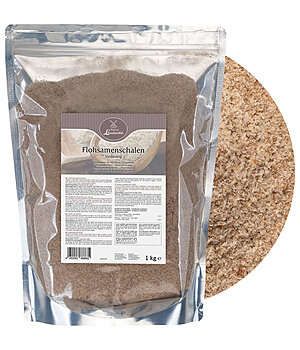
After sand colic, many horse owners resort to using psyllium husks, which, while not wrong, is not particularly effective. To better bind the built-up dirt particles in the gastrointestinal tract, horses benefit most from an increase in forage by 2.5% of their body weight (approx. 1.5% would be typical)
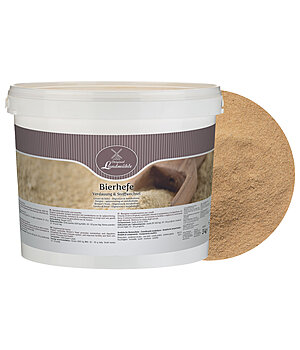
One prebiotic supplement that helps restore gut bacteria is brewer’s yeast (not baker’s yeast!), available on its own or as part of some digestion-boosting supplements.
SUITABLE FEED FOLLOWING COLIC
-
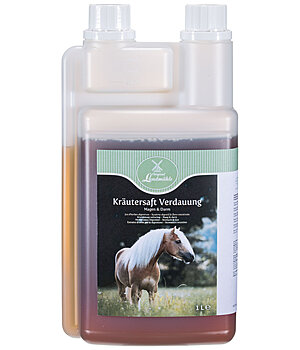
Original Landmühle
5.0 1
Herbal Juice Digestion
(£21.90 / 1 l)£21.905.0 1
-
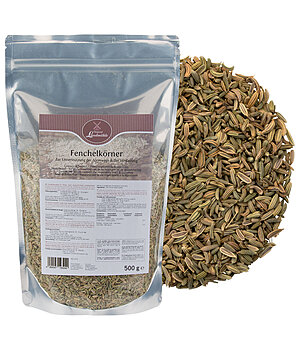
Original Landmühle
5.0 6
Fennel Seeds
(£25.80 / 1 kg)£12.905.0 6
-
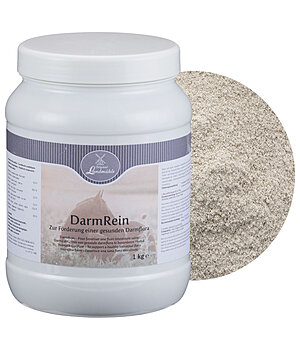
Original Landmühle
5.0 1
Stomach Powder GutPure
(£24.90 / 1 kg)£24.905.0 1
-
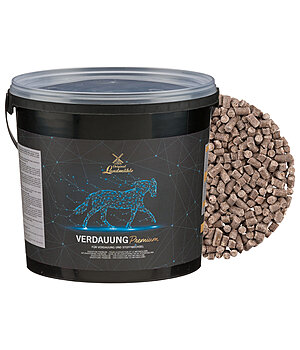
Original Landmühle
Digestion Premium
(£19.93 / 1 kg)£29.90 -
Original Landmühle
4.6 10
Psyllium Seed
(£32.90 / 1 kg)£32.904.6 10
-
Original Landmühle
5.0 1
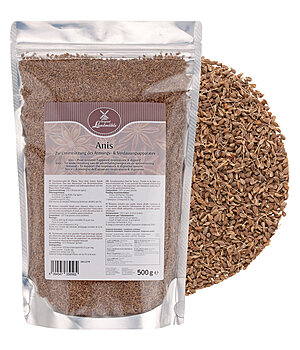
Aniseed
(£27.80 / 1 kg)£13.905.0 1
-
Original Landmühle
4.8 11
Linseed Cake
(£4.78 / 1 kg)£23.904.8 11
-
Original Landmühle
5.0 3
Brewer's Yeast
(£8.63 / 1 kg)£25.905.0 3


Preventing colic with effective feed management
If you stick to the horse feeding basics, you can significantly reduce the risk of (recurring) colic.
Horses natural requirements include
- Fixed, regular feeding times
- Forage before hard feed
- Breaks between meals no longer than 4 hours
- Several small portions spread throughout the day
- A guaranteed, freely accessible water supply
- High-quality, clean feed, free from contamination by mould or animal faeces
Typical mistakes in feeding that lead to colic:
- Too little forage
- Too much hard feed at once
- Too much starch
- Feeding hard feed before forage
- Grazing on an empty stomach
- Too much new grass
- Too little (fresh) drinking water
- Spoiled feed and toxic plants
- Insufficiently soaked, swelling feed
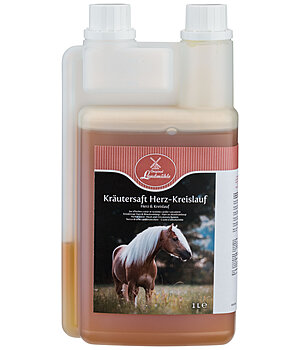
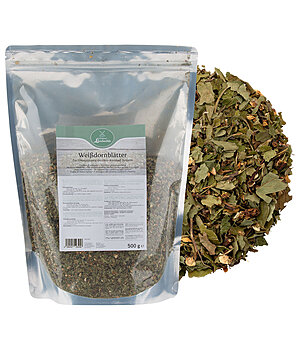
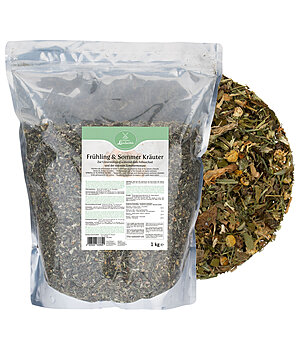
If your horse is prone to circulation problems and develops colic as a reaction to heat and weather changes, you can also take preventive measures by providing suitable circulation-stimulating herbs. Bear in mind that herbs must be fed for at least two weeks before they take effect. The combination of mash and linseed is also a useful supplement for weather-sensitive horses.
FEED FOR HORSES WITH SENSITIVE CIRCULATION
-
Original Landmühle
5.0 3
Herbal Juice Heart Circulation
(£21.90 / 1 kg)£21.905.0 3
-
Original Landmühle
5.0 4
Hawthorn Leaves
(£31.80 / 1 kg)£15.905.0 4
-
Original Landmühle
Summer Active Mash
(£11.16 / 1 kg)£27.90 -
Original Landmühle
5.0 3
Spring & Summer Herbs
(£29.90 / 1 kg)£29.905.0 3
-
Original Landmühle
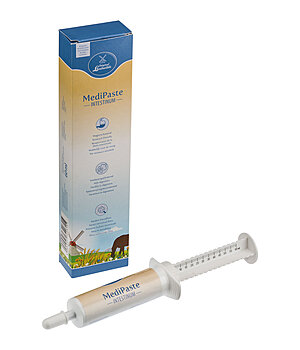
MediPaste Intestinum
(£248.33 / 1 l)£14.90


Mares that experience issues with abdominal discomfort during their cycle may also exhibit colic symptoms when they come into heat. For these mares, our Herbal Liquid Hormone Balance with monk’s pepper, raspberry leaves, hops and lemon balm is suitable for alleviating the symptoms of heat. The Herbal Mixture Mad Mare or pure monk’s pepper can also be fed to prevent cycle-related spasmodic colic.
Stress is also a common factor that can cause spasmodic colic. Different horses have different stress factors, such as a yard moves, competitions, Bonfire Night or a change in their social environment. Vitamins and nutrients such as magnesium can help horses remain calm in upcoming stressful situations and thus prevent colic. Once again, it is important to start early with supplementation when upcoming events such as Bonfire Night or a yard move are anticipated.
CALM NERVES AGAINST STRESS-INDUCED COLIC
-
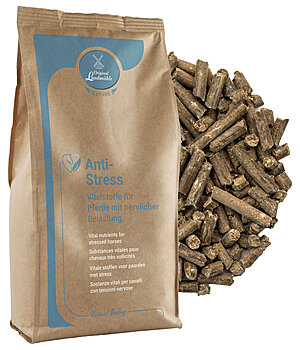
Original Landmühle
4.7 3
Anti-Stress
(£18.90 / 1 kg)£18.904.7 3
-
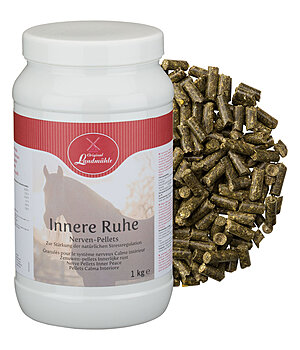
Original Landmühle
4.7 7
Nerve Pellets Inner Peace
£27.904.7 7
-
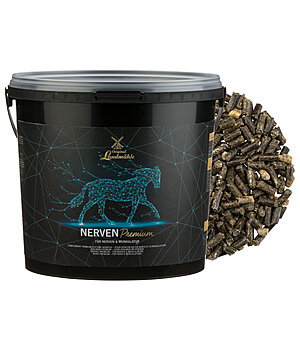
Original Landmühle
Nerves Premium
(£27.93 / 1 kg)£41.90 -
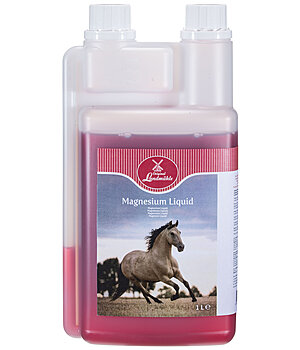
Original Landmühle
5.0 1
Magnesium Liquid
(£31.90 / 1 kg)£31.905.0 1
-
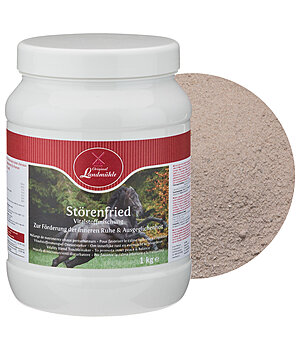
Original Landmühle
Vitality Blend Troublemaker
£36.90 -
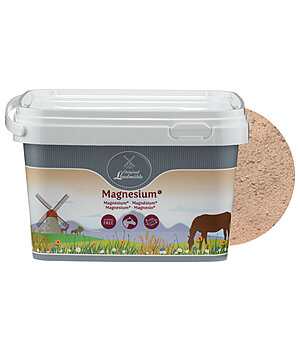
Original Landmühle
5.0 4
Magnesium +
(£24.92 / 1 kg)£29.905.0 4
-
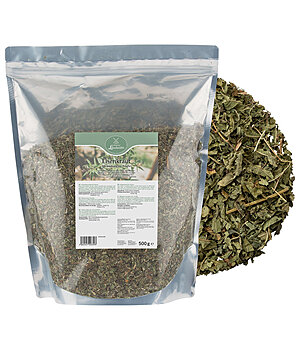
Original Landmühle
5.0 2
Verbena
£25.905.0 2


