


Treating faecal water in horses through diet
Free faecal water in horses can have numerous causes. However, one of the main reasons can be incorrect or inadequate feeding. The intestinal environment becomes disrupted, the water from the feed mash can no longer be absorbed sufficiently and it comes out as excess intestinal water when the horse defecates.
Before resorting to herbs or trace elements, you should conduct a thorough assessment of your horse’s (feeding) situation. This is because faecal water is a symptom of a complex set of causes, which we discuss in more detail in the article ?Why does my horse have free faecal water??. Consider your horse’s keeping and feeding conditions as well as its health and performance. In this case, consult your vet and/or an independent nutritionist.

Faecal water due to an imbalance in the intestinal flora
If the horse’s intestines can no longer absorb water from the feed mash, the intestinal flora is disturbed. Here, too, the digestive disorder can have many causes, but it results in a lack of detoxification. This makes the environment acidic and the intestinal bacteria die off.
Disturbed intestinal flora often leads to liver problems. Alongside the kidneys, the liver is the most important detoxification organ and is responsible for breaking down toxins. If the liver is overloaded, this is not only indicated by faecal water, but also by feed intolerances and allergies, which manifest themselves as sweet itch in horses. As more and more toxins accumulate in the body, histamine is produced as a defence reaction, but is no longer broken down, leading to chronic liver overload.
Initial liver or kidney damage may not yet be detectable in blood tests. However, it can be recognised by the fact that the body is now attempting to remove the toxins via the intestines, which occurs in the form of free faecal water.
The liver is supported in breaking down toxins by the body’s own enzymes. However, these can only be produced if the horse receives sufficient trace elements and vitamins. If the horse has a mineral deficiency, enzymes are lacking, the liver is weakened, allergies develop, the intestinal flora becomes unbalanced and, as a result, free faecal water occurs, among other things.
The detoxification organs, the liver and kidneys, are closely linked to the immune system. 70-80% of all antibody-forming cells are located in the intestinal wall. In order to eliminate the symptoms of loose stools, the liver, kidneys and immune system must be supported.
Vitamin C is important for a healthy immune system. Rose hips are a great source of vitamin C for horses. Read here our article about rose hips in horse feed.
Immune boosters for horses
-

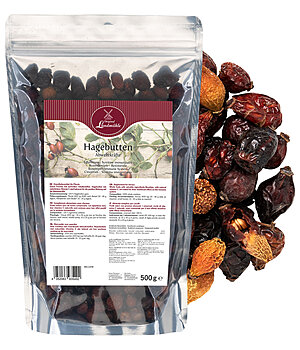
Original Landmühle
4.8 15
15
Rose Hips
(£25.80 / 1 kg)from £12.904.8 15
-
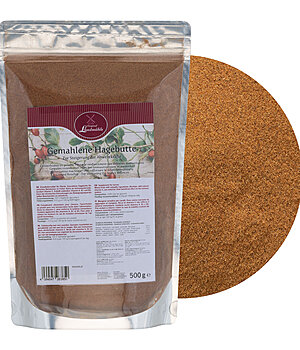
Original Landmühle
5.0 5
Ground Rosehip
£13.905.0 5
-
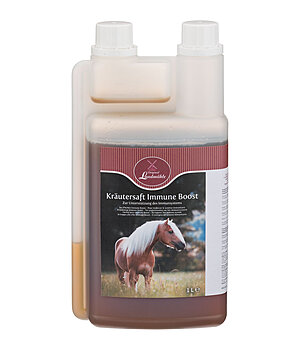
Original Landmühle
4.8 4
Herbal Juice Immune Boost
(£21.90 / 1 l)£21.904.8 4
-
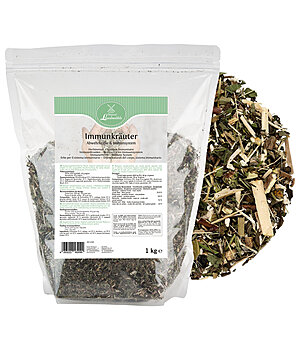
Original Landmühle
Immune Herbs
(£27.90 / 1 kg)£27.90


Eliminate faecal water by feeding your horse a healthy diet
First and foremost, a healthy intestine that produces antibodies requires light, air, exercise, low stress levels and a nutrition tailored to the horse’s needs. One of the basics of horse feeding is that the horse receives at least 1.5kg of forage in the form of high-quality hay per 100kg of body weight. If the forage is not sufficiently structured, the water in the gut cannot be retained and the likelihood of free faecal water increases. It is particularly important that the horse eats many small portions. At the same time, excessive straw intake can also lead to faecal water. Horses are naturally constant eaters with small stomachs, but they produce gastric acid continuously. Short breaks of less than four hours between meals are important to prevent too much gastric acid from entering the intestines, which would upset the intestinal environment and cause free faecal water. Since it is not possible to provide constant feeding at every yard, hay nets can be used to extend feeding time, or hay balls can be offered as snacks between meals.

Fermented and contaminated feed (mould and silage) must be strictly removed from the feed plan. This is because the horse’s digestive system is not designed to cope with these substances. Also remove muesli containing flavourings, colourings and preservatives, as these only put additional strain on the detoxification organs. If you are unsure whether the mix is the cause of the free faecal water, you can replace it with plain oats on a trial basis and see if the free faecal water disappears.
Feed charcoal can help in this process by binding existing excess water in the intestines.
The change from hay to grass in spring or vice versa in autumn should be carried out with equal care. The intestinal bacteria must first adjust to the new feed situation so that digestion runs smoothly and faecal water is avoided. You can read about how to gently introduce your horse to grazing in spring in our series of pasture guides.
To round off a healthy feed plan, ensure an adequate supply of essential vitamins and minerals through a high-quality vitamin and mineral supplement. Horses need these for proper digestion and the synthesis of enzymes necessary for the breakdown of toxins.
Strengthen the liver and kidneys in cases of faecal water
A healthy liver is key to successfully treating allergies and free faecal water in horses. Feeding bitter herbs can help a damaged liver recover quickly and be gently stimulated.
Liver herbs for horses are primarily milk thistle, artichoke, dandelion and yarrow.
At the same time, the horse’s kidney function should be strengthened, as this is crucial for enzymatic detoxification. Unfortunately, the kidneys are often overshadowed by the liver when it comes to horse nutrition. Important herbs for the kidneys that have diuretic and detoxifying effects include stinging nettle, birch leaves, goldenrod, common horsetail and ginkgo.
You can feed liver and kidney herbs individually or buy them in a pre-mixed herbal blend, such as the Detox Herbs from Original Landmühle.

Herbal supplements that support liver and kidney function can be particularly useful in autumn when switching from grazing to hay feeding in order to prevent free faecal water. Free faecal water occurs more frequently in autumn and winter.
Rebuild gut flora after free faecal water
The minerals zinc, manganese and copper play an important role in the development of the intestinal mucosa. Free faecal water can be a sign of acute zinc deficiency. Zinc deficiency can be caused by a permanent under supply or during periods of increased demand, such as during the coat change. However, native breeds and horse breeds with thick coats, tail and mane also frequently suffer from zinc deficiency.
B vitamins, especially vitamin B12, are usually synthesised by the horse itself and are responsible for cell division. Horses therefore need vitamin B12 to build a healthy intestinal mucosa. However, if the gut flora is disturbed, vitamin B12 is also in short supply. In addition, hay from our mineral-poor soils only provides small amounts of B vitamins. In the case of free faecal water, it may therefore be advisable to supplement the nutrition with B vitamins, which are found in disproportionately high amounts in brewer’s yeast.
Rebuilding the gut flora
-
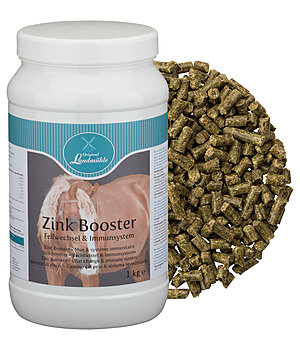
Original Landmühle
4.5 12
12
Zinc Booster
(£27.90 / 1 kg)£27.904.5 12
-
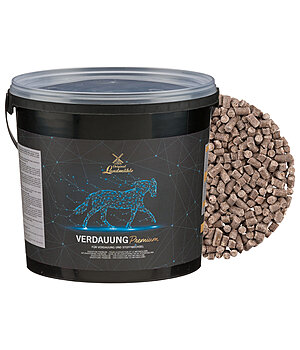
Original Landmühle
Digestion Premium
(£19.93 / 1 kg)£29.90 -
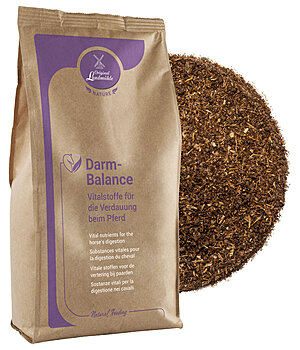
Original Landmühle
4.0 1
1
Gut Balance
(£12.90 / 1 kg)£12.904.0 1
-
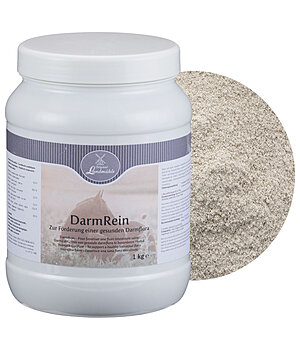
Original Landmühle
5.0 1
Stomach Powder GutPure
(£24.90 / 1 kg)£24.905.0 1
-
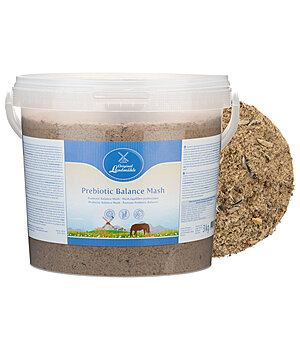
Original Landmühle
4.9 11
Prebiotic Balance Mash
(£8.63 / 1 kg)£25.904.9 11
-
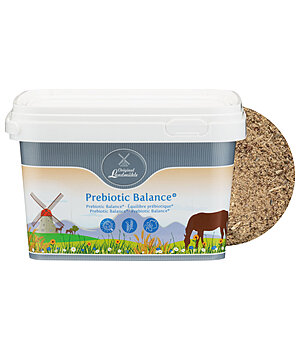
Original Landmühle
5.0 6
Prebiotic Balance +
(£19.92 / 1 kg)£23.905.0 6


If the horse has prolonged or severe free faecal water or even diarrhoea, many electrolytes are washed out of its system. These can be replenished with a mineral concentrate in liquid or pellet form. In addition to water, a salt lick should also be freely available at all times.
Last but not least, bitter herbs are beneficial for the gut flora, as they are for the liver and kidneys. Their tannins stimulate bile flow, which brings the acidic intestinal environment back to an alkaline level and stabilises it. These herbs include milk thistle, raspberry leaves, yarrow, sage, walnut leaves or shells, dandelion, stinging nettle, blackberry leaves, alder and oak bark. You can feed these herbs individually or as a mixture. Keep an eye on the manufacturer’s feeding recommendations, as some herbs should only be fed as a course of treatment.
Bitter herbs for free faecal water
-
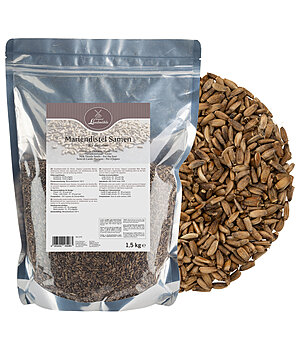
Original Landmühle
5.0 1
Milk Thistle Seeds
(£15.93 / 1 kg)£23.905.0 1
-
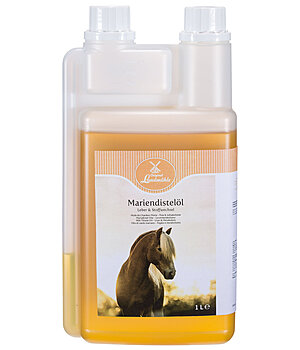
Original Landmühle
4.7 7
Milk Thistle Oil
(£14.90 / 1 l)£14.904.7 7
-
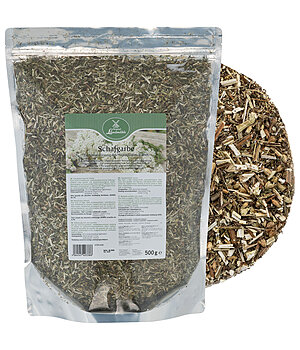
Original Landmühle
5.0 1
Yarrow
(£33.80 / 1 kg)£16.905.0 1
-
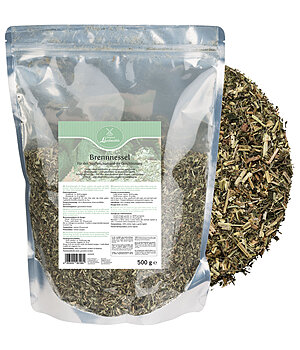
Original Landmühle
4.6 5
Stinging Nettle
(£33.80 / 1 kg)£16.904.6 5
-
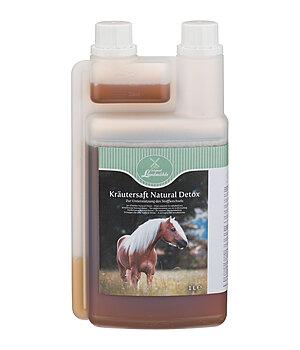
Original Landmühle
Herbal Juice Natural Detox
(£21.90 / 1 l)£21.90 -
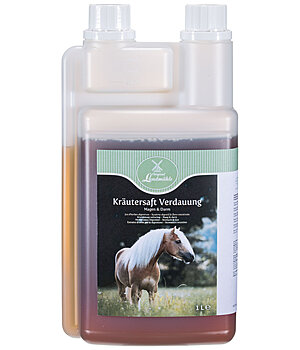
Original Landmühle
5.0 1
Herbal Juice Digestion
(£21.90 / 1 l)£21.905.0 1
-
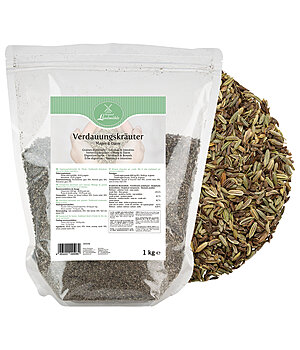
Original Landmühle
5.0 13
Digestive Herbs
(£27.90 / 1 kg)£27.905.0 13
-
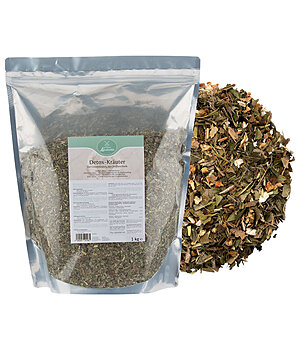
Original Landmühle
5.0 1
Detox Herbs
(£29.90 / 1 kg)£29.905.0 1
-
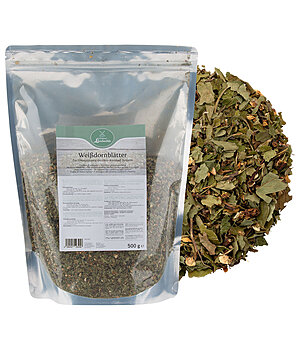
Original Landmühle
5.0 4
Hawthorn Leaves
(£31.80 / 1 kg)£15.905.0 4
-
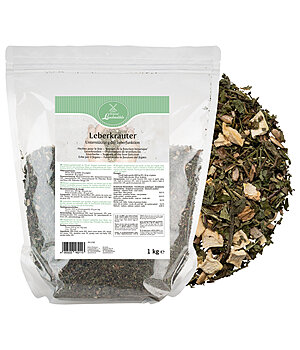
Original Landmühle
5.0 6
Liver Herbs
(£26.90 / 1 kg)£26.905.0 6
-
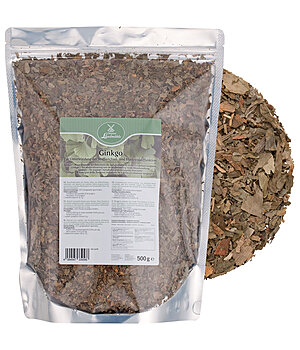
Original Landmühle
Ginkgo
(£35.80 / 1 kg)£17.90 -
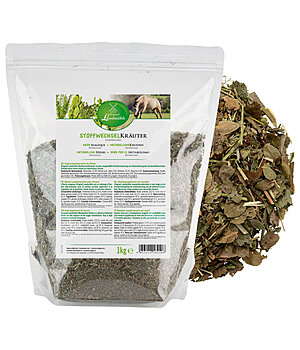
Original Landmühle
5.0 2
Metabolism Herbs
(£26.90 / 1 kg)£26.905.0 2


