


How can I strengthen my horse’s immune system?
In winter, not only are we more susceptible to infections of all kinds, but so are our horses. Viruses and bacteria particularly thrive in the cold and wet season, as our horses‘ immune systems are weaker than usual due to various factors. Find out here how our horses‘ immune systems work, when they are particularly weakened and how you can strengthen them in winter!
How does my horse’s immune system work?
In principle, it is not much different from your own body’s defences. The immune system is the body’s natural protective barrier against foreign cells that are potentially harmful to its health.
These include, for example:
- Viruses
- Bacteria
- Fungi
- Parasites
The skin and coat, the mucous membranes (e.g. in the nose, eyes or mouth) and the cilia in the bronchi, as well as stomach acid, are at the forefront and can effectively intercept pathogens when the immune system is intact. If the „invaders“ do manage to penetrate the first barrier, phagocytes and antibodies specifically tailored to the pathogen fight the disease-causing cells.

The skin and coat are the most important part of the immune system
The first hurdle that viruses, bacteria and other pathogens have to overcome is your horse’s skin and coat. Therefore, pay particular attention to keeping the skin in good condition by taking good care of the coat and skin. Your horse needs extra care during the coat change in particular to ensure it develops a healthy coat for the coming season.
When is my horse’s immune system weakened?
There are several factors in a horse’s life that can weaken its immune system, either temporarily or permanently.
These include, among others:
- Extreme weather conditions
- The coat change season
- Psychological overload (e.g. stress, yard moves, conflicts in the herd, excessive training)
- Unsuitable keeping conditions (e.g. high dust and mould levels in the stable, too little exercise)
- Malnutrition
- Health factors (age, allergies, injuries or surgeries, obesity, chronic diseases such as EMS or PPID, parasite infestation)
When should I actively do something for my horse’s immune system?
As a rule, healthy horses kept in species-appropriate conditions do not require any special treatment,
but you should take a closer look in the following cases:
- If you notice that your horse has one infection after another, is no longer as fit as it used to be or has longer periods of convalescence after an illness
- If there have been recent profound changes due to health or keeping reasons (e.g. coat change, surgeries, yard moves, etc.)
- In the case of existing chronic illnesses, allergies and/or older horses
- In the event of extreme weather conditions
- During the coat change period
If in doubt, always consult your vet!
Is your horse seeming increasingly sluggish, taking a long time to recover after an infection, or simply not being its „old self“ anymore? You know your horse best. If something about your horse’s condition seems strange to you, you should first consult your vet to rule out any illnesses or, if necessary, treat them early on!
What does my horse need for a healthy immune system?
As we have already learned, a well-functioning immune system is based primarily on species-appropriate keeping conditions and a balanced diet. However, mental factors such as stress and excessive demands can also have a negative impact on your horse’s immune response. If you try to implement the factors that can be influenced in favour of an intact immune response, you will already have achieved a great deal.
So what does your horse need to stay healthy?
- Fresh air (well-ventilated stable, turnout)
- Appropriate amount of exercise
- Sufficient recovery time after exertion
- Appropriate diet, including sufficient drinking water
- Low-stress keeping conditions
- Early detection and treatment of diseases
- Protection from extreme weather (sufficient cool-down after training, rugging, draught-free shelter)
- Parasite control (poo-picking, egg-counts, deworming)

Digression: Which ingredients in feed strengthen my horse’s immune system?
Nutrition can have a positive influence on horse health and immune defence. A sufficient supply of nutrients is ensured by high-quality feed. Quality roughage forms the basis for this. In addition to providing vitamin and mineral supplements, you can support your horse with supplements that contain important vitamins and other feed components that are essential for a well-functioning immune system.
These include:
- Vitamins A, B, C, E, biotin (vitamin H)
- Zinc
- Selenium
Support for your horse’s immune system
-

Original Landmühle
4.5 12
12
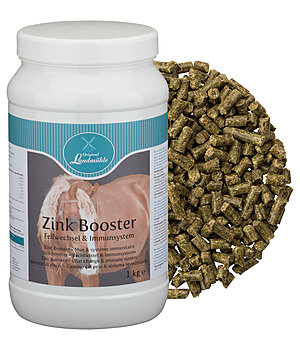
Zinc Booster
(£27.90 / 1 kg)£27.904.5 12
-
Original Landmühle
5.0 1
1
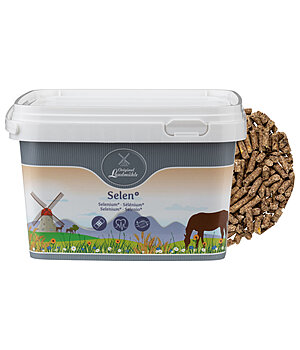
Selenium +
(£24.92 / 1 kg)£29.905.0 1
-
Original Landmühle
4.8 4
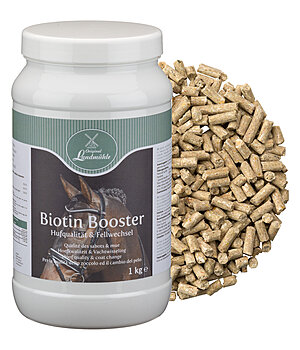
Biotin Booster
(£38.90 / 1 kg)£38.904.8 4
-
Original Landmühle
5.0 1
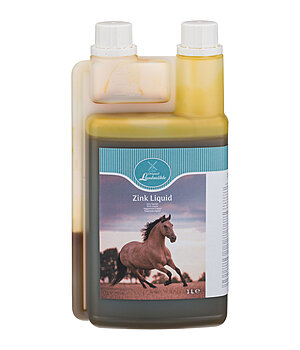
Zinc Liquid
(£28.90 / 1 l)£28.905.0 1
-
Original Landmühle
4.2 5
5
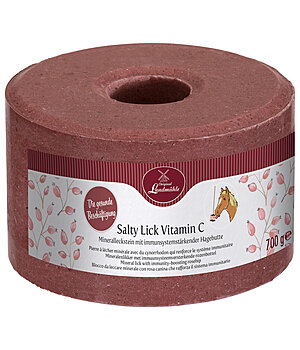
Salty Lick Vitamin C
(£14.27 / 1 kg)£9.994.2 5
-
Original Landmühle
4.8 46
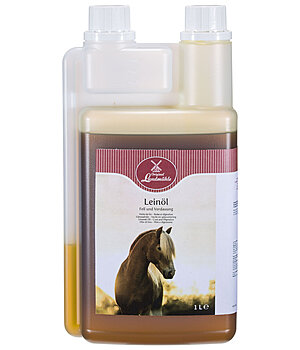
Linseed Oil
(£10.90 / 1 l)from £10.904.8 46
-
Original Landmühle
5.0 1
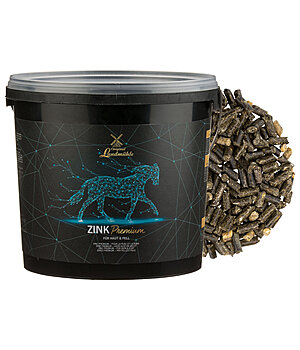
Zinc Premium
(£29.27 / 1 kg)£43.905.0 1


Common herbal boosters for the immune system
In addition to juicy foods such as carrots, apples and beetroot, there are other plant-based boosters that are not only considered vitamin sources but can also support the immune system thanks to their secondary plant compounds, e.g.:
- Echinacea
- Chamomile
- Rosehip
- Hawthorn
- Black cumin cake
- Stinging nettle
- Liquorice root
- Goldenrod
- Ribwort plantain
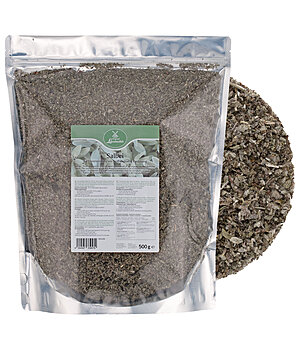
- Sage
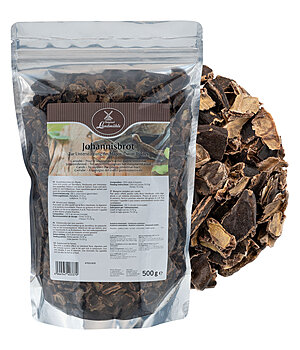
- Carob
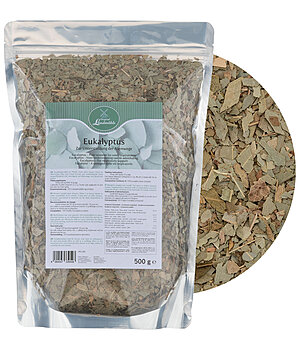
- Eucalyptus
- Ginger
- Garlic
- Hemp seeds

Herbal boosters for the immune system
-
Original Landmühle
4.8 15
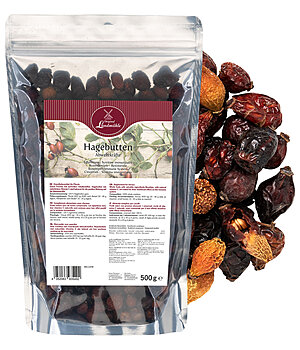
Rose Hips
(£25.80 / 1 kg)from £12.904.8 15
-
Original Landmühle
4.8 6
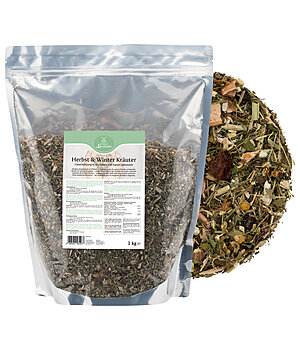
Autumn & Winter Herbs
(£27.90 / 1 kg)£27.904.8 6
-
Original Landmühle
4.1 11
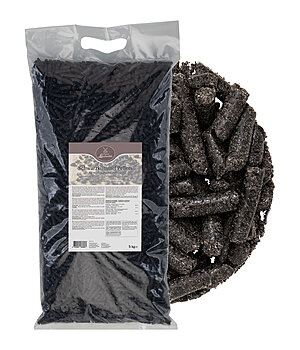
Black Cumin Cake
(£3.98 / 1 kg)£19.904.1 11
-
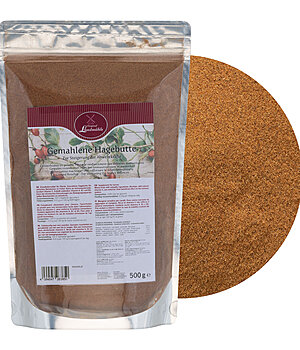
Original Landmühle
5.0 5
Ground Rosehip
£13.905.0 5
-
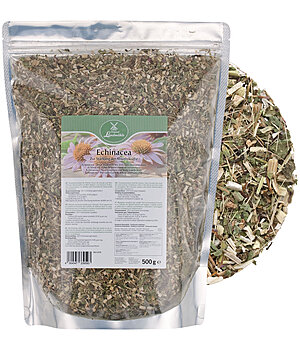
Original Landmühle
5.0 4
Echinacea
(£29.80 / 1 kg)£14.905.0 4
-
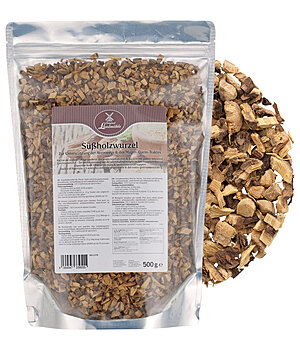
Original Landmühle
5.0 3
Liquorice Root
(£25.80 / 1 kg)£12.905.0 3
-
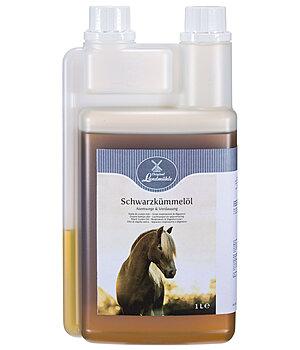
Original Landmühle
5.0 1
Black Cumin Oil
(£55.80 / 1 l)from £27.905.0 1
-
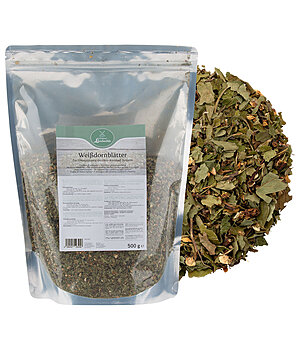
Original Landmühle
5.0 4
Hawthorn Leaves
(£31.80 / 1 kg)£15.905.0 4
-
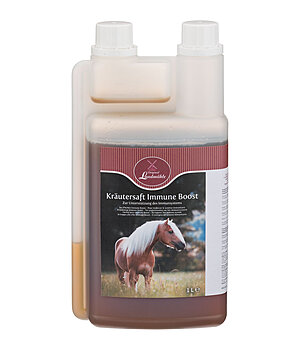
Original Landmühle
4.8 4
Herbal Juice Immune Boost
(£21.90 / 1 l)£21.904.8 4
-
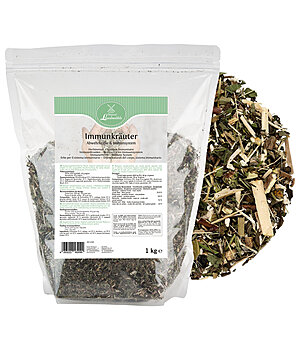
Original Landmühle
Immune Herbs
(£27.90 / 1 kg)£27.90 -
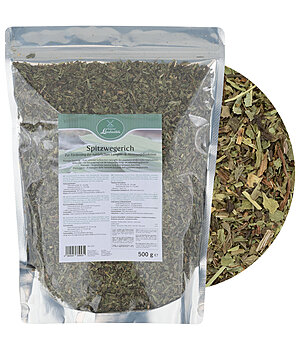
Original Landmühle
5.0 5
Ribwort Plantain
(£27.80 / 1 kg)£13.905.0 5
-
Original Landmühle
Sage
(£27.80 / 1 kg)£13.90 -
Original Landmühle
Carob
(£21.80 / 1 kg)£10.90 -
Original Landmühle
Eucalyptus
(£27.80 / 1 kg)£13.90


