


Coughing in horses: When a horse needs help breathing
Not every instance of coughing in horses is cause for alarm, for example a brief cough at the first trot or after rolling. Nevertheless, you shouldn’t take it lightly when your horse starts coughing. The cough itself isn’t an illness, rather a symptom and protective reflex, clearly indicating an accumulation of mucus in the lungs. If deviations from normal breathing aren’t taken seriously, there’s a risk of chronic bronchitis, also known as COPD, heaves, or equine asthma in horses.

Why do so many horses cough? Causes of coughing in horses
Coughing itself isn’t an illness, but rather a protective reflex that stops mucus from building up in the lungs. This means that mucus build-up and coughing are reactions to external factors or internal infections. The following things can cause coughing in horses:
- Too little exercise
- Dusty, contaminated hay or bedding
- Poor air quality in stables with no fresh air supply: Ammonia irritates the respiratory system and mucous membranes, impairing the body’s defences
- Viral infections, bacterial infections, lungworms
- Over-rugging can weaken the immune system
- Allergies
- Persistent acute coughing
Horses tend to cough more frequently in winter, as increased humidity and air pressure put additional strain on their lungs. High levels of dust, poor air circulation and lack of exercise also put additional strain on a horse’s lungs.
Many horse owners also notice their horse coughingat the first trot or canter. If a horse coughs for a few metres and then returns to normal, this is not necessarily a cause for alarm. The diaphragm might be blocked, preventing deep breathing and ultimately leading to coughing. The same applies if a horse coughs after rolling. Consult your vet for more information.

Typical symptoms of a more serious cough in horses
- Cough, producing mucous or dry
- Reduced performance and fatigue
- Difficulty breathing
- Tense abdominal muscles when breathing, heave line
- Mucus/sputum
- White nasal discharge
- Loss of appetite

If an acute cough becomes chronic, either due to insufficient improvement in the keeping conditions or lack of treatment leading to the horse „dragging it out“, the cough and reduced performance remain, but symptoms such as fever, sputum and loss of appetite may disappear. As the condition progresses, the alveoli thicken, which means they can no longer absorb enough oxygen. Because of the reduced lung capacity, the horse begins to actively push air out of its abdomen. The horse becomes „wheezy“, recognisable by the heave line along the abdomen and the horse’s weight loss. Chronic coughing causes lung tissue to die off and can lead to life-threatening asthma attacks.
The bottom line is that you should take immediate action as soon as you notice even mild symptoms of an acute cough in your horse.
How can a horses cough be treated?
Treatment should always and exclusively be carried out by a vet, since, as can be seen from the symptoms, a lack thereof or incorrect treatment can quickly lead to changes in the lungs that are debilitating or even life-threatening.
Once your vet has made a diagnosis based on a detailed medical history, the appropriate treatment can be administered. Based on the clinical picture, this might include medications like expectorants or antispasmodics, anti-inflammatories, bronchodilators, or antibiotics for bacterial infections, which can be administered in different ways.

Inhalation treatments can also relieve coughing in horses, for example by preventing mucus from solidifying and aggravating respiratory problems. In addition to inhalation medications prescribed by a vet, a simple saline solution can help to moisten the airways, relieve dry coughs and promote the expulsion of phlegm.
Important!
After each inhalation, thoroughly clean all equipment and accessories with hot water! Otherwise, pathogens can return to the lungs during the next inhalation. Allow everything to dry completely before the next use, to prevent the formation and spread of mould, fungi, bacteria, etc.
Our tip: If you’re looking for something beneficial for your horse’s respiratory system during the cold season, we recommend the inhalation set from SHOWMASTER. Simply moisten the Inhalation Pad with warm water, spray on the Bronchio Stable and Inhalation Spray, and place it in the Inhalation Muzzle Fred. This can then be hung around your horse’s neck, so that they can inhale the soothing vapours. Customer feedback shares how much their horses relax and enjoy the essential oils. Ideal for prevention and support of the respiratory tract during the wet and cold season.
Should you exercise your horse if it has a cough? Ensure moderate exercise to help loosen the mucus. However, it’s important not to overdo it, and to listen to your horse, as tense respiratory muscles can cause the horse considerable distress.


Preventing coughs in horses
Even better than treating an acute cough in a horse quickly and effectively, is preventing the cough from developing in the first place. In addition to keeping your horse healthy with plenty of fresh air, daily mucking out to ensure a healthy stable environment, and plenty of exercise to boost your horse’s metabolism and lung function, you can also support your horse’s respiratory system with herbs and supplements. Especially in winter, you can use vitamins and other supplements to strengthen your horse’s immune system.
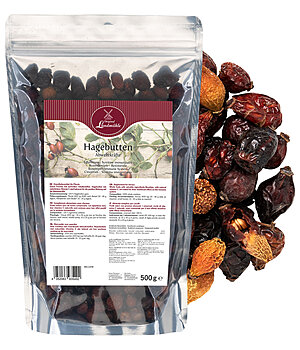
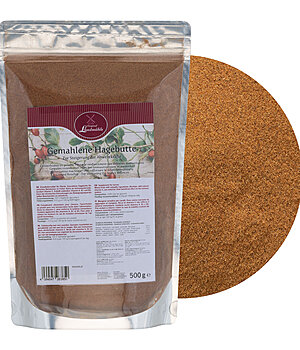
Support for the immune system is important in autumn and winter. Vitamins are essential for this. Rose hips are an absolute vitamin C bomb that shouldn’t be missed in winter. Black cumin and carrots can also boost the immune system, as you can read in our guide on 15+ superfoods for horses. Read here to find out how you can strengthen your horse’s immune system in winter.
FOR A STRONG IMMUNE SYSTEM IN HORSES WITH A COUGH
-

Original Landmühle
4.8 15
15
Rose Hips
(£25.80 / 1 kg)from £12.904.8 15
-
Original Landmühle
5.0 5
Ground Rosehip
£13.905.0 5
-
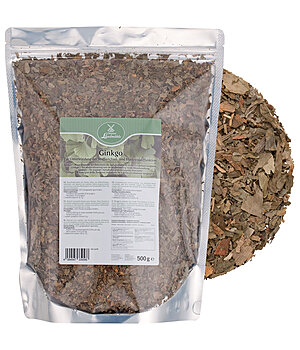
Original Landmühle
Ginkgo
(£35.80 / 1 kg)£17.90 -
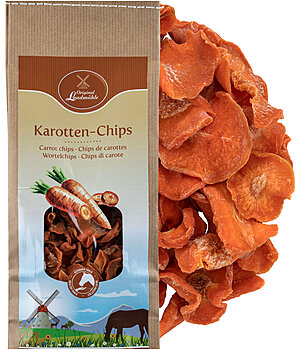
Original Landmühle
4.5 2
2
Carrot Chips
(£24.98 / 1 kg)£9.994.5 2
-
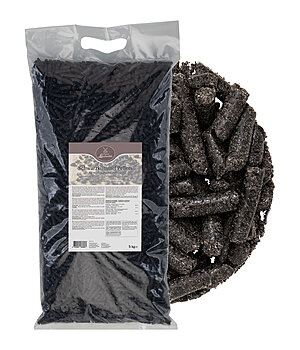
Original Landmühle
4.1 11
11
Black Cumin Cake
(£3.98 / 1 kg)£19.904.1 11
-
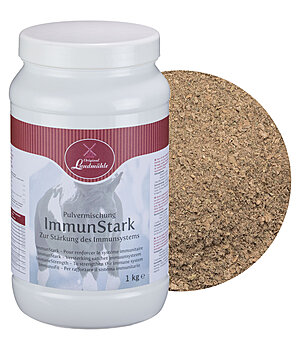
Original Landmühle
Powder Blend ImmuneStrength
(£34.90 / 1 kg)£34.90 -
Original Landmühle
4.8 6
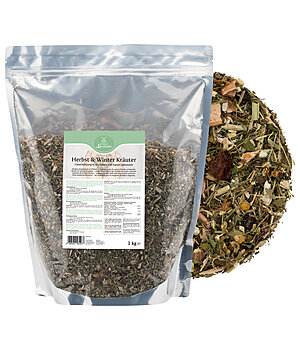
Autumn & Winter Herbs
(£27.90 / 1 kg)£27.904.8 6
-
Original Landmühle
4.8 4
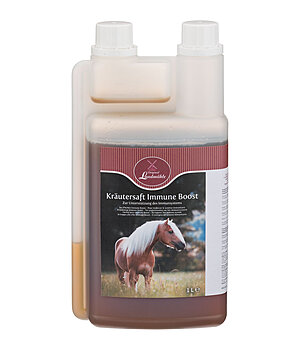
Herbal Juice Immune Boost
(£21.90 / 1 l)£21.904.8 4
-
Original Landmühle
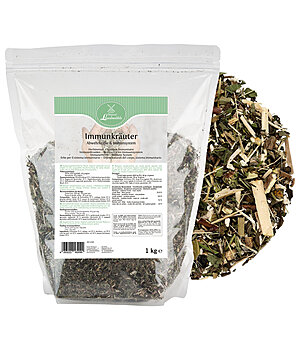
Immune Herbs
(£27.90 / 1 kg)£27.90 -
Original Landmühle
5.0 4
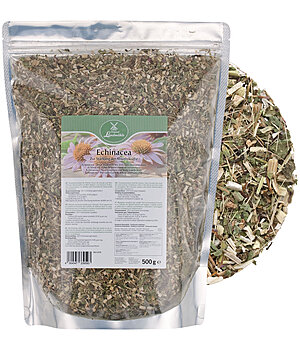
Echinacea
(£29.80 / 1 kg)£14.905.0 4
-
Original Landmühle
5.0 1
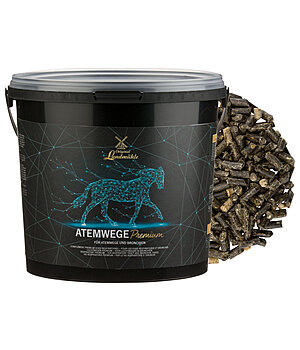
Airway Premium
(£25.93 / 1 kg)£38.905.0 1


Herbs for coughs in horses
If you want to ease your horse’s cough or reduce the urge to cough, you can use herbs in the form of tea or juice, just like we do for humans. Typical herbal remedies for coughs include thyme, chamomile, sage and ribwort plantain. You can feed these dry as part of your horse’s feed or infuse them in hot water and leave them to steep. The decoction can then be served lukewarm over concentrated feed or mash. There are also herbal blends that can be prepared as juice. For fussy horses, herbal liquids may be the better choice, as they are more readily accepted.
RELIEVE YOUR HORSE’S COUGH WITH HERBS
-
Original Landmühle
4.4 12
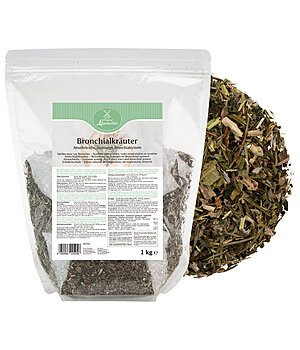
Airway Herbs
(£27.90 / 1 kg)£27.904.4 12
-
Original Landmühle
5.0 6
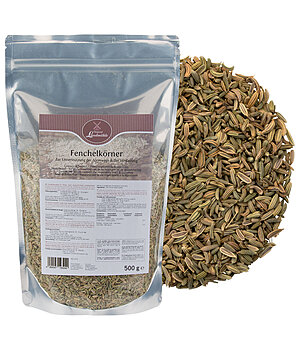
Fennel Seeds
(£25.80 / 1 kg)£12.905.0 6
-
Original Landmühle
4.8 6
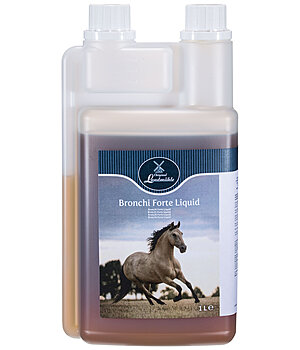
Bronchi Forte
(£27.90 / 1 l)£27.904.8 6
-
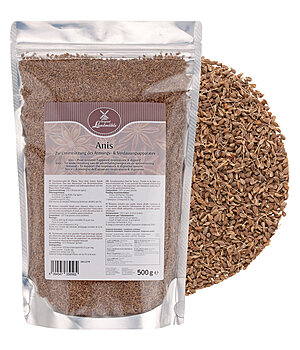
Original Landmühle
5.0 1
Aniseed
(£27.80 / 1 kg)£13.905.0 1
-
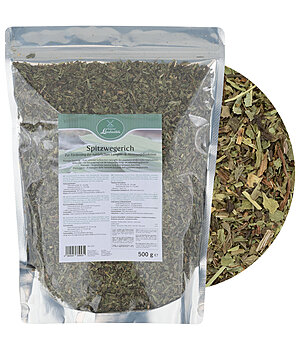
Original Landmühle
5.0 5
Ribwort Plantain
(£27.80 / 1 kg)£13.905.0 5
-
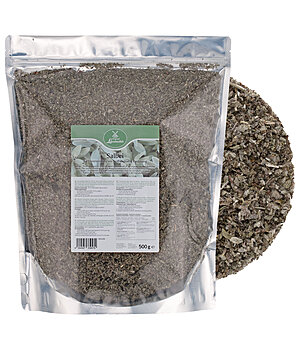
Original Landmühle
Sage
(£27.80 / 1 kg)£13.90 -
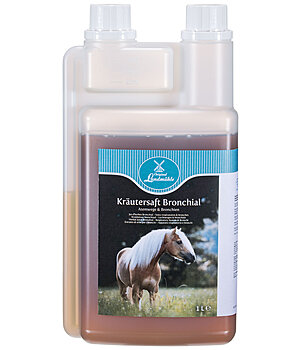
Original Landmühle
4.8 16
Herbal Juice Bronchial
(£21.90 / 1 l)£21.904.8 16
-
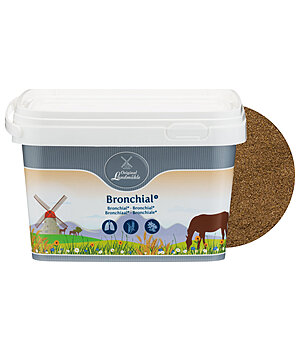
Original Landmühle
4.7 3
Bronchial +
(£35.44 / 1 kg)£31.904.7 3
-
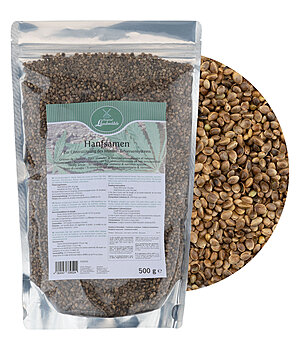
Original Landmühle
4.3 3
Hemp Seeds
(£19.98 / 1 kg)£9.994.3 3
-
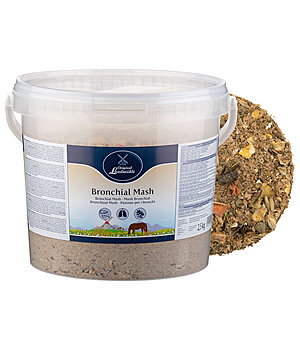
Original Landmühle
5.0 5
Bronchial Mash
£25.905.0 5
-
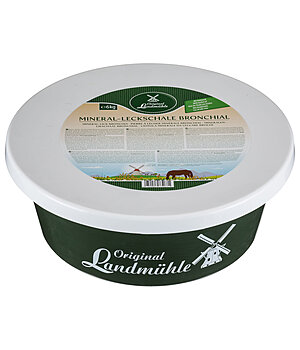
Original Landmühle
5.0 4
Mineral Lick Bowl Bronchial
(£6.98 / 1 kg)£41.905.0 4


You can find more feed for healthy airways in our Horse Feed section: