


Treatment Options for Tendon Injuries in Horses
Tendon injuries are feared by many horse owners. Not only do they take time to heal completely, but the tendon may also be less resilient afterwards. This is due to the scar tissue, which is less elastic and therefore less durable than an undamaged tendon.
The focus of the healing process for injured tendons should therefore centre on minimising the formation of scar tissue. We have already presented an overview of tendon injuries in horses in our guide. Now we’ll delve into the details of what you can do to help treat tendon injuries, beyond administering anti-inflammatory medication and possible surgical intervention:

Rest
The most important thing to do in the event of a tendon injury is to rest immediately (box rest)! Further injury can only be avoided in the acute phase by relieving the strain on the tendon.

Cooling
Cooling with water, ice or cooling ointments also prevents further injury in the acute phase: the cold alleviates pain, reduces swelling and prevents further bleeding into the injured tissue. Using cooling gels and ointments under compression bandages is a particularly effective method of achieving a deep cooling effect. The bandage helps the active ingredients penetrate deep into the tissue instead of evaporating into the environment. Cooling therapy boots can also be a useful aid during the acute phase.
COOLING OINTMENTS FOR TENDON INJURY TREATMENTS
-

SHOWMASTER
5.0 5
5
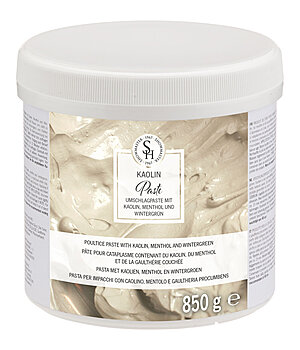
Kaolin Paste
(£19.88 / 1 kg)£16.905.0 5
-
SHOWMASTER
5.0 6
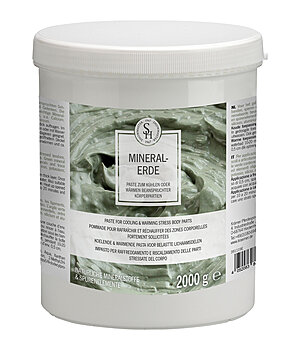
Mineral Soil
(£10.95 / 1 kg)£21.905.0 6
-
SHOWMASTER
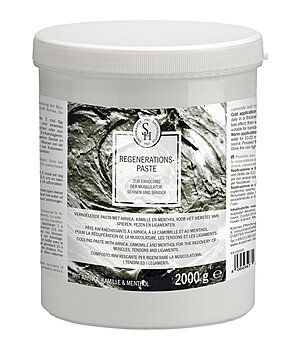
Regenerating Paste
(£10.95 / 1 kg)£21.90 -
SHOWMASTER
4.0 1
1
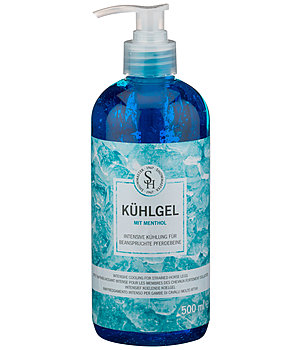
Cooling Gel
(£25.80 / 1 l)£12.904.0 1
-
SHOWMASTER
5.0 1
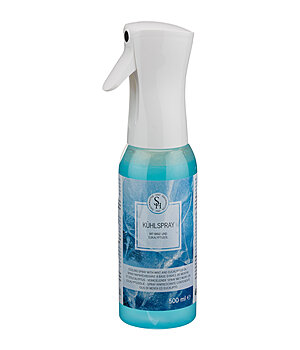
Cooling Spray
(£37.80 / 1 l)£18.905.0 1
-
ZEDAN
5.0 1
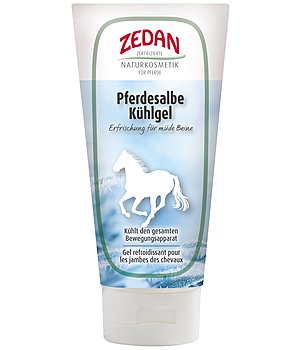
Horse Balm - Cooling Gel
(£54.50 / 1 l)£10.905.0 1


Heat
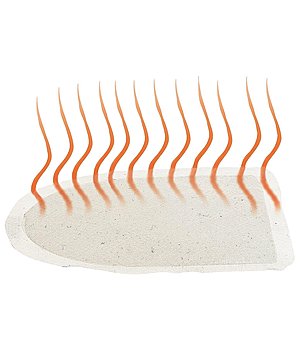
Once the acute phase has passed, it is important to promote blood circulation in the horse’s leg. Heat is particularly effective for this purpose and can be administered in various ways. One option is to use warming compresses made from bandages and ointments/pastes. These are heated in a hot water bath and then applied to the damaged tendon.
Our Tip: For both acute cases, and during the recovery phase, Regeneration Paste from SHOWMASTER is recommended for a tendon injury. It can be applied cold or warm, providing effective support for the treatment of injured tendons. The paste also has antiseptic properties thanks to arnica, chamomile and cooling menthol.

Therapy Boots
Warming therapy boots and bandages can also stimulate blood circulation through deep heat. Boots with ceramic fibres that absorb body heat and reflect it back as infrared heat are a good option here. Magnetic therapy is also often used for tendon injuries to support the self-healing process.
We’ve summarised which therapy boots are suitable for tendon injuries in horses for you in a PDF. You can find more info in our guide on therapy boots.
Compression bandages for horses are a good way to make it easier and faster to get rid of toxins and prevent swelling from coming back. The compression can help improve the flow of lymphatic fluid, which is especially important when the horse is on box rest.
WARMING & COOLING BOOTS FOR TENDON INJURIES
-
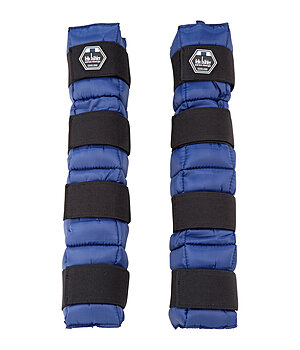
Felix Bühler
4.8 4
Ice Boots
from £27.904.8 4
-
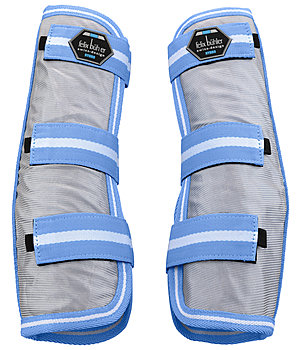
Felix Bühler
4.3 3
3
Therapy Boots Hydro
£59.904.3 3
-
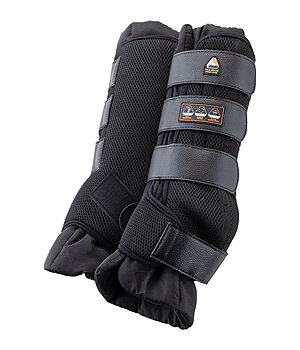
Felix Bühler
4.8 4
Summer Stable Boots Ceramic Rehab
£74.904.8 4
-
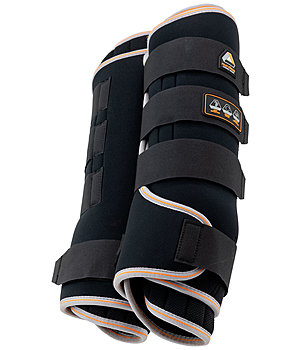
Felix Bühler
5.0 2
Stable Boots Ceramic Rehab
£74.905.0 2
-
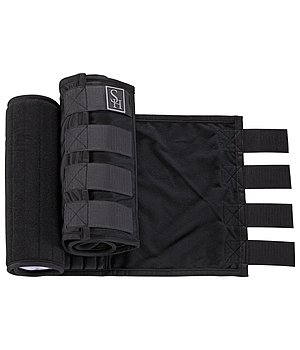
SHOWMASTER
4.3 3
Hot/Cold Therapy Boots
£32.90£25.904.3 3
-
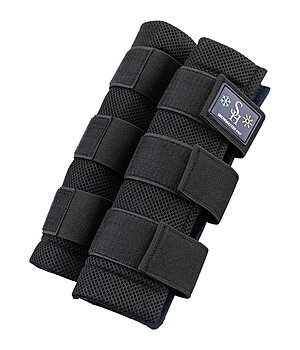
SHOWMASTER
Warming/Cooling Boots Compact
£16.90 -
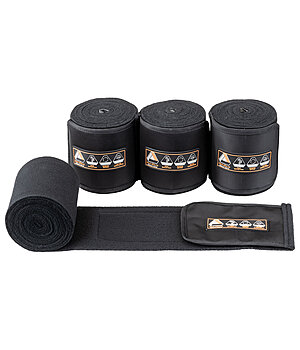
Felix Bühler
5.0 1
Fleece Bandages Ceramic Rehab
£38.90£29.905.0 1


Further reading: Nutrition during tendon injuries
A horse’s diet plays an important role in both the prevention and healing of tendon injuries. In our guide on targeted nutrition for tendon injuries, you can learn all about the influence of nutrients on the health of a horse’s musculoskeletal system.

Massages & Physiotherapy
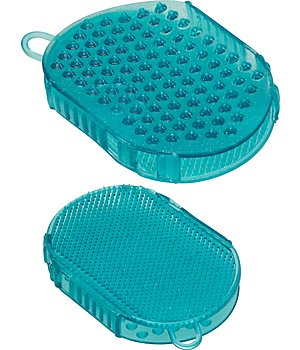
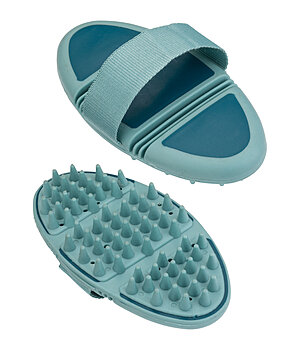
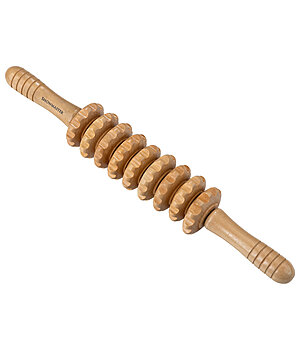
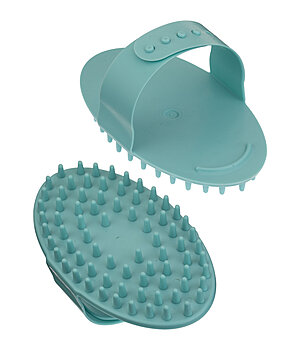
Massages are beneficial for horses and can also be an alternative to conventional treatments for tendon injuries. Carefully stroking and rubbing the horse’s legs stimulates lymphatic fluid and blood circulation and facilitates the removal of toxins. This is an important aspect during box rest.
Careful stretching, as instructed by the vet/equine physiotherapist, is also important during the recovery phase. Prolonged box rest can cause the horse’s muscles to shorten and tense up, leading to painful compensatory postures. Stretching and loosening the neck and back muscles relieves tension and keeps the tissue supple.
HORSE MASSAGING FOR TENDON INJURIES
-
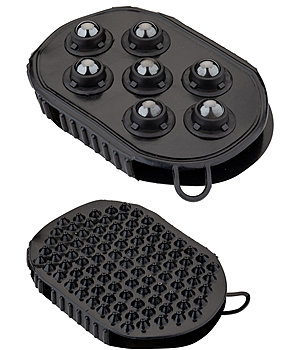
SHOWMASTER
4.7 21
Relax Massage Curry Comb
£5.494.7 21
-
SHOWMASTER
4.0 4
Massage Mitt
£4.394.0 4
-
 NEWNEW
SHOWMASTER
4.7 7
Nub Curry Comb Soft
£8.994.7 7
-
SHOWMASTER
5.0 1
Fascia Roller
£10.905.0 1
-
SHOWMASTER
3.0 2
2
Rubber Curry Comb Flexible
£4.393.0 2
-
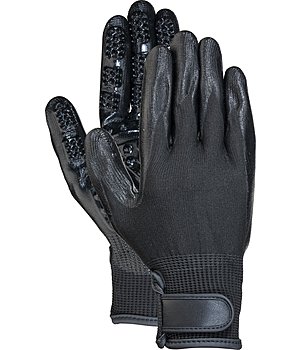
SHOWMASTER
5.0 3
Grooming Glove Groomy
£16.905.0 3


Read more: Tendon injuries in horses ? Recognition, treatment and prevention
Tendon injuries of various kinds are among the top 10 injuries in horses. Therefore, every horse owner should know how to respond in the event of an acute tendon injury until the vet arrives and can take further action. We have compiled important information on tendon injuries in the guide „Tendon injuries in horses – Recognition, treatment and prevention“.