


The Right Supplement for Tendon Injuries – Feeding Your Horse Back to Full Load-Bearing Ability
As part of a holistic treatment for tendon injuries in horses, targeted nutrition is essential. While the right nutrients may not necessarily speed up the healing process, they can ensure that the fibre bundles receive all the necessary support for regeneration, resulting in reduced formation of inelastic scar tissue. As you can read in our guide „Tendon Injuries in Horses – Recognition, Treatment and Prevention“ the focus is on restoring the load-bearing capacity of the tendons and ligaments. And the right supplement after a tendon injury is an important factor to consider.

Regeneration following a tendon injury: Which nutrients should be included in a horse’s supplement?
A horse’s musculoskeletal system is a network of tendons, ligaments and muscles. Even though we focus specifically on the tendons after a tendon injury, the suppleness and health of the muscles also plays a vitally important role. In order to prevent or treat tendon injuries, horses need nutrients that are essential components for the connective tissue and muscles.
Collagen
The fibre bundles in tendons are composed of collagen proteins. The supply of collagen peptides is therefore crucial for regenerating injured tendons. Collagen obtained from grains is particularly relevant for horses. It is also found in higher quantities in legumes and animal products. As the grain intake during box rest is so low that it is difficult to meet the increased demand, you can also boost this with supplements enriched with collagen peptides.
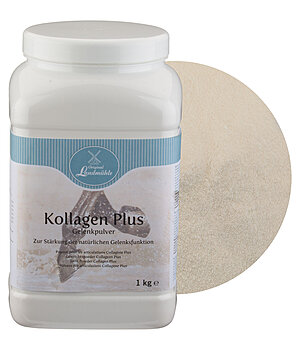
Our recommendation: Joint Powder Collagen Plus from Original Landmühle

Vitamin C
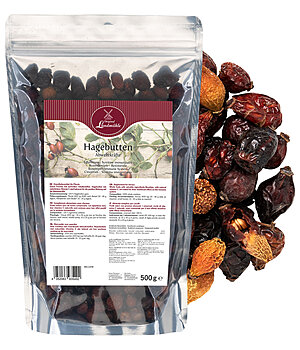
Vitamin C is involved in collagen formation and is responsible for the normal functioning of tendons and ligaments. Horses can usually synthesise vitamin C within their own bodies and, unlike humans, do not necessarily require an external supply. However, an additional supply of vitamin C can be helpful in the regeneration of tendon injuries. Natural sources of vitamin C include rose hips (whole or ground), grass, carrots and apples.
Glycosaminoglycans
Glycosaminoglycans such as chondroitin sulphate or hyaluronic acid are important building blocks for cartilage and connective tissue, making them important for healing tendon injuries in horses. Glycosaminoglycans are found in abundance in powdered mussels, which you can feed to your horse as a supplement.
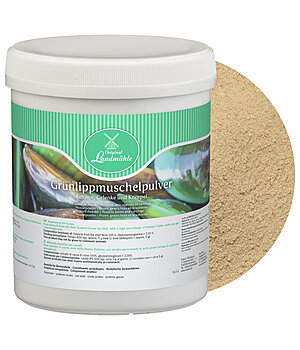
Our recommendation: Powdered Mussels for Horses from Original Landmühle

Sulphur
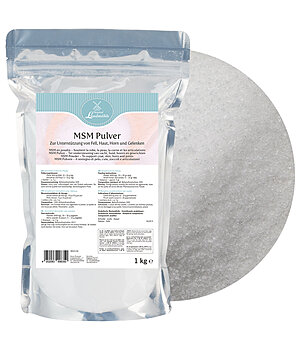
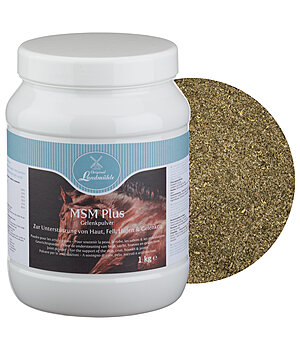
Sulphur gives connective tissue its strength and is also involved in collagen formation. To meet the increased demand for sulphur during the regeneration of injured tendons, you can feed your horse organic methylsulphonylmethane (MSM) as a powdered supplement. Sulphur can also be acquired from natural sources containing sulphur-containing amino acids, such as stinging nettles, horsetail, garlic, brewer’s yeast, mussels, algae or linseed.
Our recommendation: MSM Plus from Original Landmühle
Omega-3 and Omega-6 Fatty Acids
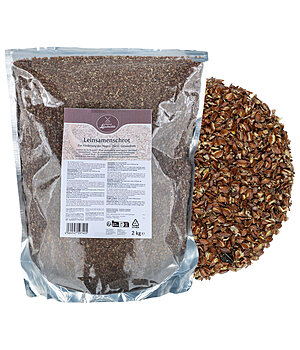
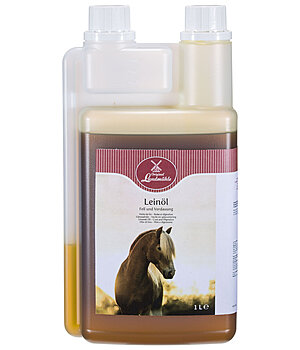
Omega-3 and Omega-6 fatty acids have anti-inflammatory properties and are involved in cell regeneration, which is important for tendon repair. Omega fatty acids that are beneficial for horses are found in linseed cake, linseed oil and linseed. If you choose to feed whole seeds, you should grind them to make the fatty acids more accessible for the horse.
Magnesium
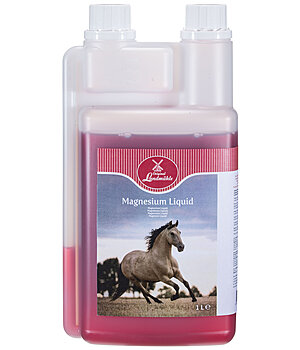
Magnesium, together with vitamin E, manganese and selenium, is a primary nutrient for relaxed muscles. Relaxed, supple muscles are essential after tendon injuries to avoid adopting protective postures, thereby relieving the injured tendon. If your horse needs more magnesium than it can get from its basic diet of concentrated feed and hay, you can use brewer’s yeast, linseed, mineral licks, and magnesium-containing supplements in powder or liquid form.
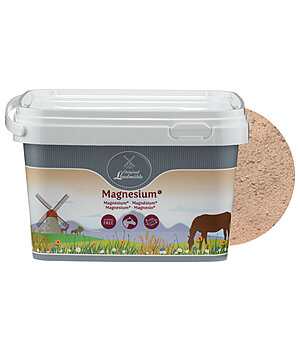
Our recommendation: Magnesium Liquid or Magnesium+ from Original Landmühle.

The right supplement for tendon injuries
During box rest, recovery and rehabilitation exercises following a tendon injury, you’ll need to adjust your horse’s feed amount.
As you can read in our guide on the causes of tendon injuries in horses, being overweight can be a reason for horses‘ legs being overloaded. Therefore, always ensure a balanced ratio of exercise and caloric intake to avoid obesity. During the acute phase of a tendon injury, if the horse is confined to box rest, the amount of feed must be reduced. Nevertheless, as horses are continuous grazers, they should not go hungry. As a rule, aim for approximately 1.5kg of forage per 100kg of body weight and divide the hay ration into several portions throughout the day. Feeding via a haynet can also extend feeding time and thus prevent boredom or an empty stomach.
Especially during box rest, with reduced forage and concentrated feed, it is essential to provide all necessary nutrients. The administration of a high-quality vitamin and mineral supplement is therefore crucial. In addition to the small amount of bucket feed, you can mix in a supplement that strengthens the tendons and ligaments and supports cell regeneration.
THE RIGHT SUPPLEMENTS FOR TENDON INJURIES
-

Original Landmühle
4.5 2
2
Joint Powder Collagen Plus
(£54.90 / 1 kg)£54.904.5 2
-
Original Landmühle
4.4 10
Powdered Mussels
(£219.00 / 1 kg)from £21.904.4 10
-
Original Landmühle
4.9 11
11
MSM Powder
(£25.90 / 1 kg)£25.904.9 11
-
Original Landmühle
5.0 2
MSM Plus
(£49.90 / 1 kg)£49.905.0 2
-
Original Landmühle
4.8 16
Rose Hips
(£25.80 / 1 kg)from £12.904.8 16
-
Original Landmühle
5.0 2
Linseed Meal
(£6.95 / 1 kg)£13.905.0 2
-
Original Landmühle
4.8 46
Linseed Oil
(£10.90 / 1 l)from £10.904.8 46
-
Original Landmühle
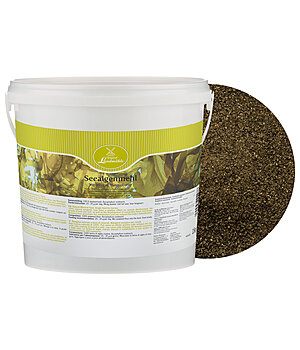
Seaweed Meal
(£17.27 / 1 kg)£25.90 -
Original Landmühle
5.0 1
Magnesium Liquid
(£31.90 / 1 kg)£31.905.0 1


You can read more about general feed plans tailored to your horse’s nutritional needs in our Horse Feeding Basics.
Dietary recommendations for training after tendon injuries
If your horse is undergoing rehabilitation exercises following a tendon injury, you can increase its feed amount gradually in line with its energy requirements. Proceed slowly and in small steps, just as you would when training, to prevent your horse from becoming overwhelmed. Consult your vet to determine the right combination of nutrition, amount of feed, therapies and exercise for your horse. Suitable supplements during training should be enriched with protein to support healthy muscle development. You should also feed your horse sufficient magnesium during training to maintain muscle suppleness and prevent cramps, tension and blockages.
Our recommendation: Seaweed Meal or Powdered Mussels from Original Landmühle as a rich source of protein. As a source of magnesium, we recommend Magnesium Liquid and Magnesium + from Original Landmühle.
Natural herbs for horses with tendon injuries
Due to their medicinal properties, it’s important to exercise caution when incorporating herbs into your horse’s diet. Furthermore, not all herbs are freely available to purchase in every country. Therefore, ask your vet which of the following medicinal herbs with anti-inflammatory effects could be a useful supplement in your horse’s diet:
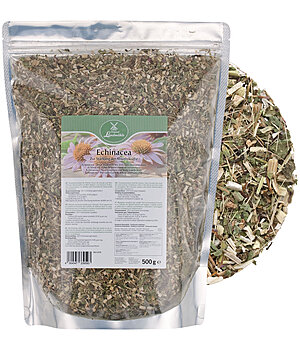
- Echinacea
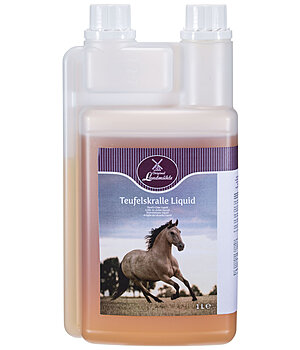
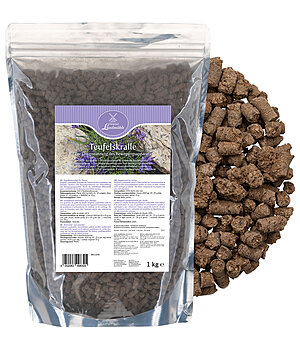
- Devil’s claw
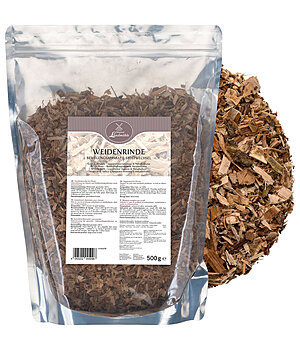
- Willow bark
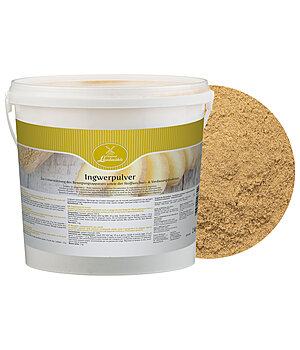
- Ginger
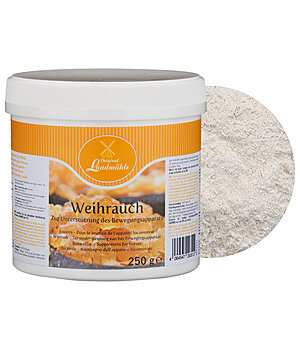
- Frankincense/Boswellia
- Meadowsweet
- Field horsetail
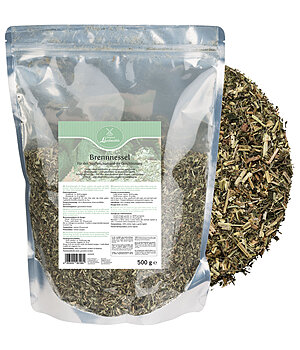
- Stinging nettle
MEDICINAL HERBS FOR HORSES WITH TENDON INJURIES
-
Original Landmühle
4.8 6
Devil's Claw Liquid
(£31.90 / 1 l)£31.904.8 6
-
Original Landmühle
4.9 7
Devil's Claw
(£38.90 / 1 kg)£38.904.9 7
-
Original Landmühle
4.8 5
Willow Bark
(£21.80 / 1 kg)£10.904.8 5
-
Original Landmühle
Ginger Powder
(£22.90 / 1 kg)£22.90 -
Original Landmühle
5.0 3
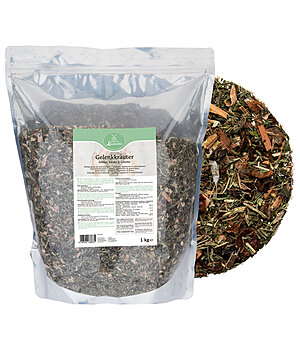
Equine Joint Herbs
(£29.90 / 1 kg)£29.905.0 3
-
Original Landmühle
5.0 3
Boswellia
(£79.60 / 1 kg)£19.905.0 3
-
Original Landmühle
4.6 5
Stinging Nettle
(£33.80 / 1 kg)£16.904.6 5
-
Original Landmühle
5.0 4
Echinacea
(£29.80 / 1 kg)£14.905.0 4
-
Original Landmühle
4.8 4
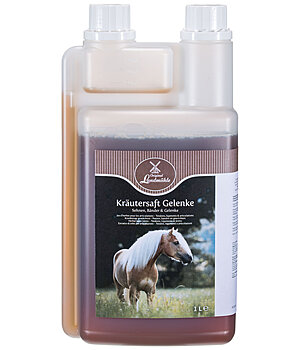
Herbal Juice Joints
(£21.90 / 1 l)£21.904.8 4


We feature more medicinal herbs for horses in our List of 15+ Superfoods for Horses.
Summary: Feed recommendations for tendon injuries
In the event of a tendon injury, it is important to provide high-quality feed to your horse in order to supply the damaged connective tissue with the necessary building blocks for reconstruction. When giving your horse supplements after a tendon injury, pay particular attention to the proportion of collagen proteins, glycosaminoglycans and sulphur.
Reduce the amount of feed during box rest and increase the amount slowly during training.
When training after a tendon injury, we also recommend supplementing with magnesium in appropriate amounts to promote healthy muscle growth.
OUR FEED RECOMMENDATIONS FOR REHABILITATION AFTER TENDON INJURIES
-
Original Landmühle
4.5 2
Joint Powder Collagen Plus
(£54.90 / 1 kg)£54.904.5 2
-
Original Landmühle
4.4 10
Powdered Mussels
(£219.00 / 1 kg)from £21.904.4 10
-
Original Landmühle
5.0 2
MSM Plus
(£49.90 / 1 kg)£49.905.0 2
-
Original Landmühle
5.0 1
Magnesium Liquid
(£31.90 / 1 kg)£31.905.0 1
-
Original Landmühle
5.0 4
Magnesium +
(£24.92 / 1 kg)£29.905.0 4
-
Original Landmühle
Seaweed Meal
(£17.27 / 1 kg)£25.90

You can find additional supplements for your horse’s various needs that go beyond tendon injuries in our online shop.
Important Information:
Tendon injuries in horses are serious injuries that require the utmost care.
Regardless of the extent of the injury or illness, the horse should always be provided with sufficient forage, vitamin and mineral supplements containing all trace elements and macronutrients, and freely accessible water. Therefore, consult with your veterinarian before taking any action.
Feed products that have a medicinal effect should only be administered in consultation with your vet and only as a short-term treatment.