


What does your horse’s coat say about its health?
Just as with humans, the skin is the horse’s largest organ. If the skin is healthy, the coat will usually be healthy too. Many changes to the coat are due to skin conditions, though they can also have internal causes, such as metabolic disorders.
In the second part of our series, you’ll discover what your horse’s coat reveals about its health and how you can ensure it stays healthy.
Why is a healthy coat so important for horses?
Your horse’s coat forms the outermost ’layer‘ and fulfils a variety of protective functions, including:
- Protection against external influences (e.g. weather, insects, injuries and sunlight)
- Sense of touch
- Thermoregulation (e.g. raising its hair to protect itself better against the cold)
- Coat and skin as the first line of defence against pathogens or pests
With this in mind, a well-groomed coat is important for more than just aesthetic reasons. A healthy coat enables your horse to protect itself successfully against diseases and parasites, enhancing its well-being and, consequently, its mental health.
What does a healthy coat look like?
Ideally, your horse’s coat should be smooth and silky. Hair growth should be even with no bald patches, and the coat should be free from dandruff. Long hair should be thick and have a coarse hair texture. However, if your horse has access to a paddock or a field, you will find that it has a rather different approach to coat and body care, preferring to roll in the mud and sand. This is perfectly normal and actually part of their natural behaviour, as the mud provides protection against insects and the sun and helps shed dead skin cells and hair, so it’s an important part of grooming, particularly during shedding season.

What does the condition of my horses coat tell me about their health?
Signs of poor health include a dull and lacklustre coat, bald patches, an uneven coat, dandruff and bloody chafing. A horse’s coat – and consequently its skin – can undergo a variety of changes. The causes can be just as varied.

- Skin conditions (sweet itch, mud fever, ringworm)
- Parasite infestations (mites, lice)
- Worm infestations
- Metabolic disorders (PPID)
- Nutrient deficiencies
- Poorly fitting riding equipment
- Behavioural issues caused by excessive stress, lack of exercise, etc. (tail rubbing)
How can I tell what is wrong with my horse just by looking at its coat?
It’s not always easy to determine why your horse’s coat is changing. Various clues can help here, such as the appearance of the affected areas and any further symptoms or behavioural changes.
We have compiled an overview of the most common coat changes and their potential causes.
Please note that this list is not a substitute for veterinary advice, and you should always consult your vet if you are in any doubt.

| What does the coat look like? | What might be the reason for this? |
|---|---|
| Dull, lacklustre, shaggy | Symptoms of deficiency or chronic conditions (particularly of the kidneys and liver) |
| Excessive sebum production (leaves hands sticky or ‚dusty‘ after stroking) | Indicative of metabolic or kidney problems |
| Uneven coat, curly hair texture, excessive hair growth | Suspected PPID |
| Scaly & crusty coat | Suspected mite infestation; suspected mud fever in the fetlock area |
| Circular hair loss | Suspected fungal infestation |
| Rub marks, particularly on the mane and dock | Suspected sweet itch, behavioural problems |
| Dock rubbed bare with no other sweet itch on the body (see sweet itch) | Suspected worm infestation |
| Rub marks in areas where riding gear is worn | Poorly fitting riding equipment (particularly saddle and bridle) |
| Thickened patches of skin, wart-like skin changes up to larger lumps | Suspected equine sarcoids |
| Isolated long hairs, especially on the lower half of the body) | Metabolic imbalance, deficiency symptoms, impaired liver detoxification |


What can I do to ensure a healthy coat?

1. Fit of riding gear
Check the fit of the riding gear regularly. Bear in mind that you should always keep a close eye on the fit of the saddle in particular, as your horse’s physique is constantly changing depending on its health, age and training workload. This can quickly lead to chafing or pressure marks, which in the worst case can even result in bald patches in the coat.
2. Proper coat care
Animals natural approach to coat- and body care differs greatly from our own. Extensive rolling and rubbing are instinctive parts of this, promoting blood circulation in the skin and thus healthy coat growth. During breaks in training, your horse can certainly ’keep‘ its mud pack on (with the exception of the hooves – these should be picked out and inspected daily to detect injuries or problems at an early stage). Before riding, however, you should groom the horse thoroughly to prevent chafing caused by dirt in the areas where the riding equipment rests. Intensive grooming and a thorough bath before a competition, as well as the use of coat shine sprays, are fine as long as these products are not used on a daily basis.

Massages are good for the soul and for the skin
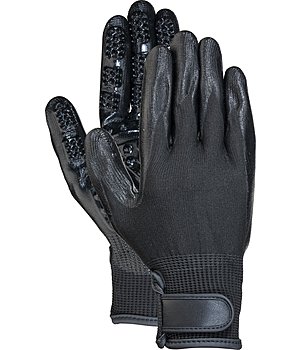
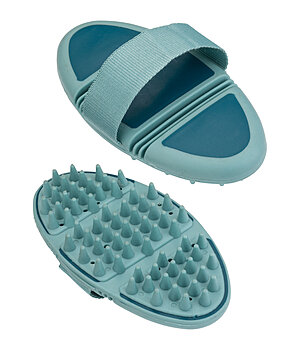
If you ever want to treat your horse to something really special, it will certainly enjoy a short massage as part of its grooming routine. Massages promote blood circulation in the skin and thus also contribute to healthy hair growth.
If your horse likes to scratch itself thoroughly, you should provide safe scratching options in the form of scratching and massage strips.
Fancy a soothing massage?
-

SHOWMASTER
5.0 3
3
Grooming Glove Groomy
£16.905.0 3
-
 NEWNEW
SHOWMASTER
4.7 7
Nub Curry Comb Soft
£8.994.7 7
-
SHOWMASTER
4.7 21
21
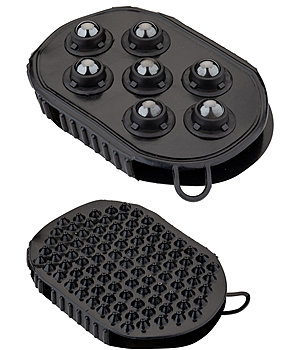
Relax Massage Curry Comb
£5.494.7 21
-
SHOWMASTER
4.0 4
4
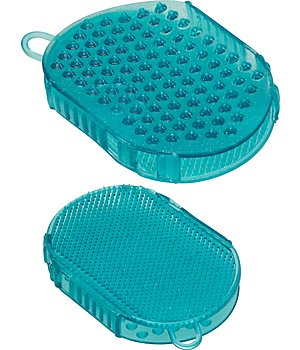
Massage Mitt
£4.394.0 4
-
SHOWMASTER
5.0 3
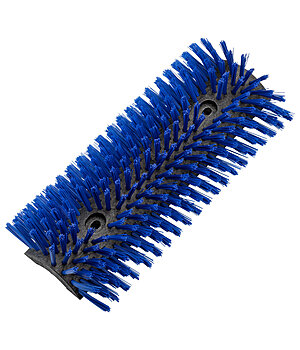
Scratch and Massage Brush Deluxe
£59.905.0 3
-
Kramer
4.6 14
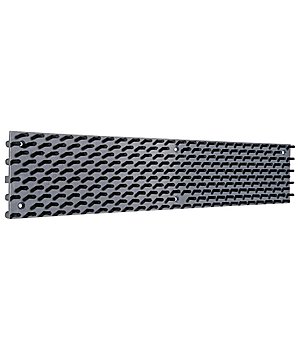
Massage and Scratch Strip
£21.904.6 14
-
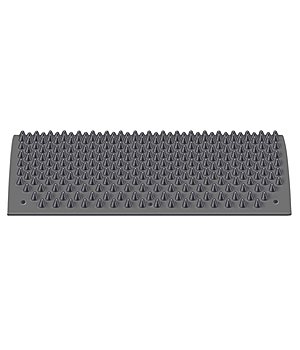
SHOWMASTER
3.9 7
Grooming and Massage Mat
£21.903.9 7


3. Species-appropriate keeping
You can usually tell at a glance whether a horse is comfortable and healthy by its shiny coat. Species-appropriate keeping is therefore essential for keeping your four-legged friend healthy. Sufficient activity, a low-stress environment, contact with other horses in a harmonious herd, and stable hygiene are the most important factors here.
4. Feed for a healthy coat
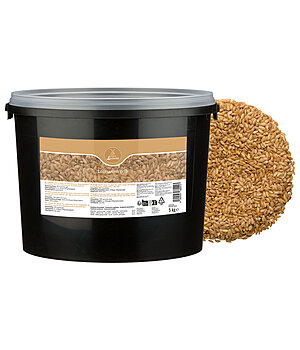
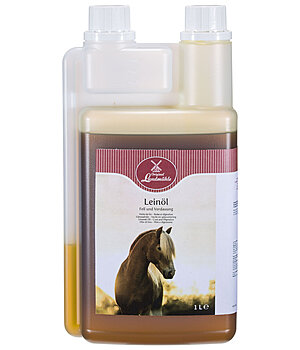
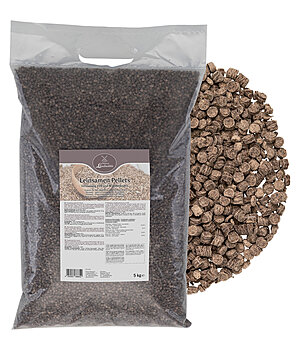
Nutrient deficiencies are often the cause of a dull coat. During the shedding season in particular, your horse’s metabolism uses more resources than usual to produce new hair. This can upset the balance of nutrients. Supplements containing zinc, copper, selenium, biotin and vitamins B and E is important for healthy hair growth and healthy skin function. Plant-based support for a silky, glossy coat can be found in black cumin, linseed and milk thistle.

FEED FOR A HEALTHY AND GLOSSY COAT
-
Original Landmühle
5.0 5
Yellow Linseed
(£5.58 / 1 kg)£27.905.0 5
-
Original Landmühle
4.8 46
Linseed Oil
(£10.90 / 1 l)from £10.904.8 46
-
Original Landmühle
4.8 12
Linseed Cake
(£4.78 / 1 kg)£23.904.8 12
-
Original Landmühle
4.7 7
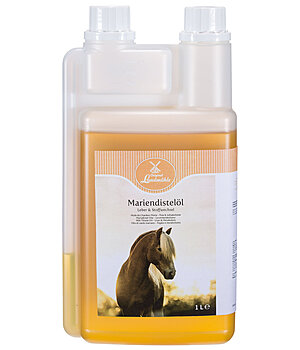
Milk Thistle Oil
(£14.90 / 1 l)£14.904.7 7
-
Original Landmühle
5.0 1
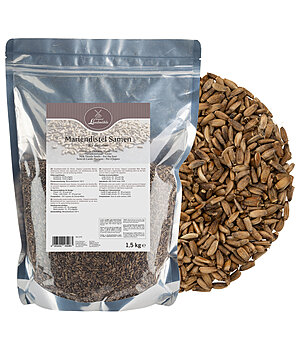
Milk Thistle Seeds
(£15.93 / 1 kg)£23.905.0 1
-
Original Landmühle
4.5 12
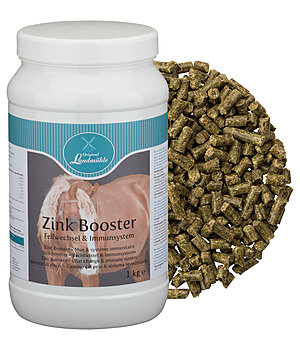
Zinc Booster
(£27.90 / 1 kg)£27.904.5 12
-
Original Landmühle
5.0 1
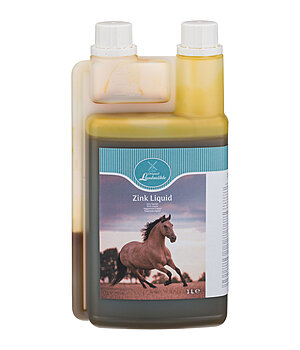
Zinc Liquid
(£28.90 / 1 l)£28.905.0 1
-
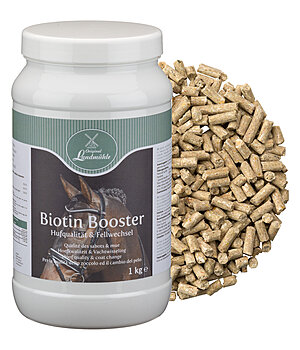
Original Landmühle
4.8 6
Biotin Booster
(£38.90 / 1 kg)£38.904.8 6
-
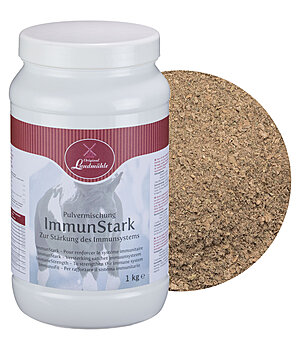
Original Landmühle
Powder Blend ImmuneStrength
(£34.90 / 1 kg)£34.90 -
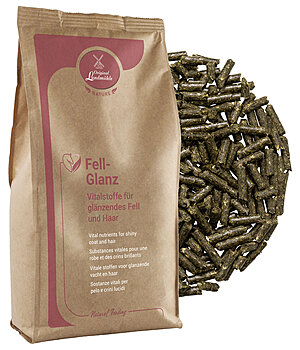
Original Landmühle
4.8 8
Coat Shine
(£18.90 / 1 kg)£18.904.8 8
-
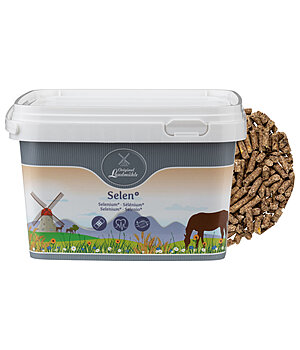
Original Landmühle
5.0 1
Selenium +
(£24.92 / 1 kg)£29.905.0 1
-
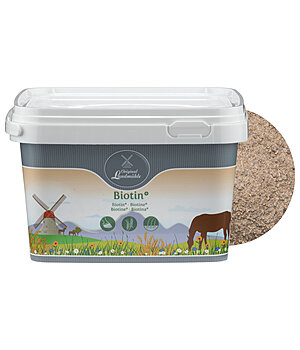
Original Landmühle
Biotin +
(£32.42 / 1 kg)£38.90 -
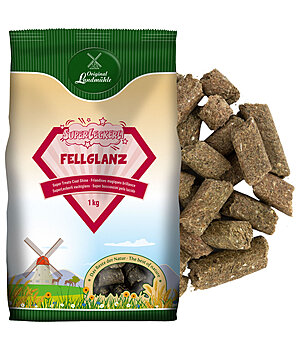
Original Landmühle
5.0 1
SuperTreats Coat Shine
(£8.99 / 1 kg)£8.995.0 1
-
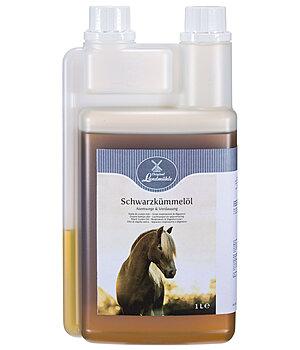
Original Landmühle
5.0 2
Black Cumin Oil
(£55.80 / 1 l)from £27.905.0 2
-
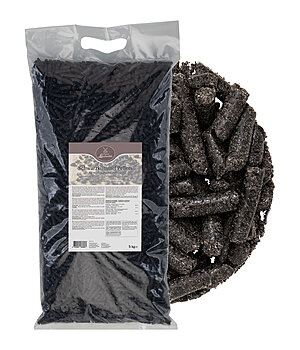
Original Landmühle
4.1 11
Black Cumin Cake
(£3.98 / 1 kg)£19.904.1 11


5. Regular health checks
In general, it is extremely important to keep a close eye on your horse’s health, as coat changes are more common when a horse is ill. Observe your horse and seek advice from your vet if anything seems out of the ordinary. Many conditions can be treated effectively at an early stage. In this context, worm eggs counts and de-worming where necessary is also essential!
Further Reading: Series ’What does … say?‘
Part 1: What does your horses droppings say about its health?
Part 2: What does your horses coat say about its health?
Part 3: What the condition of your horse’s hooves says about its health