


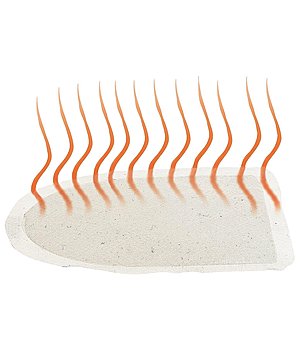

Dogs & Heat: Get your dog safely through the summer with these tips
Summer is the time for outdoor activities. However, not every dog can fully enjoy the summer. To ensure your dog doesn’t struggle with circulation issues during the warmer season, but instead can enjoy the summer and its endless possibilities, we’ve compiled some „cool“ tips on care, walks, play and fun.

Tips & products to help your dog get through the summer
- Schedule walks for the cool morning or evening hours, avoiding the midday heat
- Opt for woodland strolls rather than walking in direct sunlight
- Steer clear of strenuous dog sports such as agility, jogging, cycling, or lengthy hikes
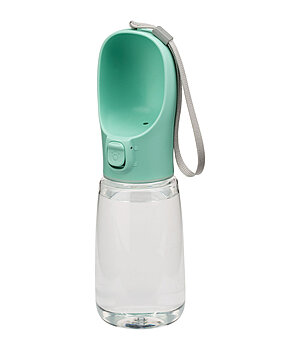
- Always keep fresh drinking water within reach for your dog while on the go, e.g. in a 2-in-1 travel water bottle
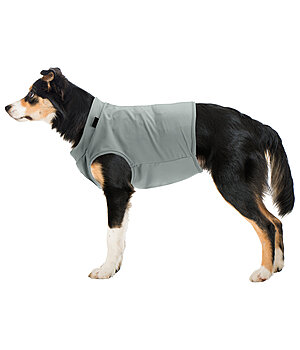
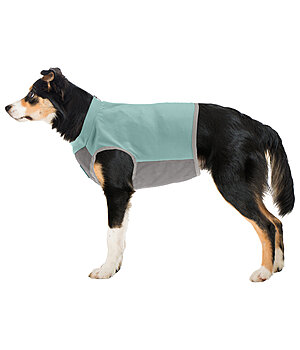
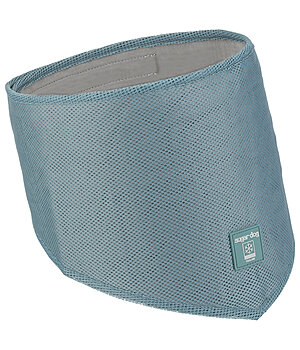
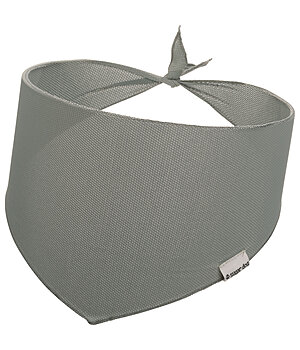
- A cooling shirt or chilled neckerchief can provide your dog with some relief during walks
- Create cool resting spots for your dog, such as cooling resting mats placed in shaded areas

- Water-based cooling: A playful splashing session can be enhanced with water toys. It’s crucial not to let your dog stay in the water too long (risk of swimmer’s tail) and to thoroughly dry them afterwards with a dog bathrobe.
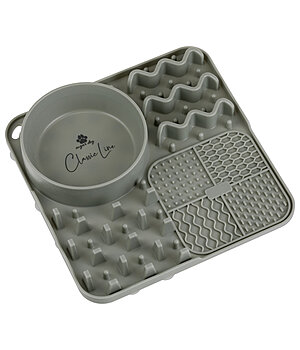
- Make sugar-free dog ice cream at home: For example, freezing ingredients on a lick mat.
- Regularly groom your dog with a dog brush to allow air circulation to their skin.
Dog accessories for the summer
-

sugar dog
4.5 2
2
Cooling Shirt Frostie
from £10.904.5 2
-
sugar dog
4.0 1
1
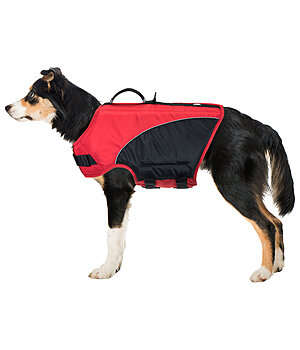
Dog Life Jacket Life Guard
from £41.904.0 1
-
sugar dog
4.2 6
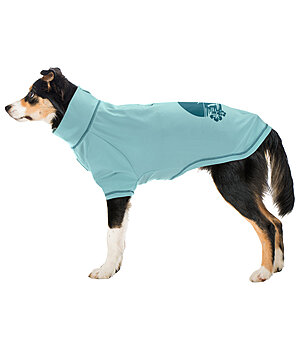
Dog T-Shirt Sunny, SPF 50+
£14.90from £12.904.2 6
-
sugar dog
5.0 1
1
Cooling Vest Refresh
£14.90£7.455.0 1
-
sugar dog
Dog Scarf Cooling
£9.99£4.99 -
sugar dog
Cooling Scarf Frostie
£6.99 -
sugar dog
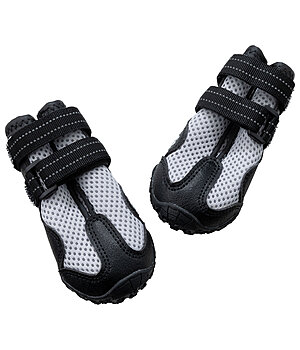
Paw Protection Shoes Dubai for Dogs
£27.90£21.90 -
sugar dog
5.0 2
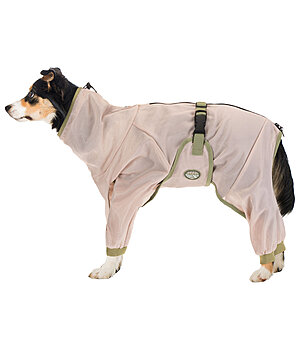
Eczema Dog Coat Tropics
from £27.905.0 2
-

sugar dog
Water Dog Toy Marble Bone
£7.99 -
sugar dog
XXL Licking Mat Classic Line for Dogs
£22.90£17.90 -
sugar dog
5.0 1
Travel Drinking Bottle Wanderlust II
£18.905.0 1
-
sugar dog
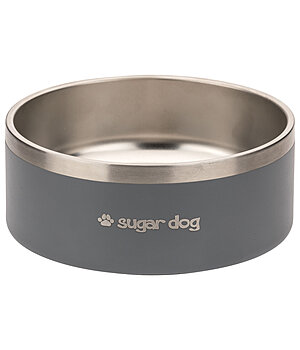
Stainless Steel Bowl
from £18.90


To ensure effective cooling: Understanding your dog’s thermoregulation
Summer can be a challenge not only for horses prone to circulatory issues but also for the odd dog or two. How well an individual dog copes with warm to humid weather depends on factors such as age, health, breed, coat condition, and opportunities to cool down. The general comfortable temperature for dogs ranges between 14 and 20 degrees. Many dogs find temperatures above 20 degrees unpleasant. However, this naturally depends on the breed: a Jack Russell Terrier can adapt to high temperatures more easily than a Husky. Therefore, each dog should be considered individually in terms of its temperature perception.
What all dogs have in common, however, is that they cannot sweat – apart from their paws, their bodies lack sweat glands. Instead, they regulate their body temperature through panting – up to 300 times per minute is normal. Cool air is inhaled through the nose and excess warm air is exhaled through the muzzle. Due to the high fluid loss during panting, fresh water should be available to the dog at all times.
If panting is not enough to lower the body temperature and the dog’s body continues to heat up, it will suffer from heatstroke.

Heatstroke in dogs – the signs
The first circulatory issues occur in a dog when its body temperature reaches the 40-degree mark. Here, heavy panting (>300 times per minute, hyperventilating) and restless searching for a cool spot become apparent.
From a body temperature of 43 degrees, a dog is at risk of life-threatening danger and circulatory collapse. Signs of heatstroke in dogs include the following:
- Protruding tongue with an extended neck
- Initially bright red tongue and mucous membranes, later pale to bluish
- Rapid panting
- Excessive salivation
- Shallow breathing and tachycardia
- Apathy
- Balance issues and staggering
- Vomiting
- Diarrhoea
If final circulatory collapse occurs, the dog will tremble and convulse; its mucous membranes will turn pale/bloodless to blue. If nothing is immediately done, the dog will lose consciousness or even fall into a coma. Without treatment, the dog is at risk of death due to cardiac and respiratory arrest.
Life-threatening danger in cars!
In summer, dogs are at greatest risk of heatstroke when left sitting in a car without air conditioning. Even at an outside temperature of 20 degrees, a car’s interior can reach 24 degrees within five minutes and, after half an hour (the time it takes to do a supermarket shop), it can even reach 36 degrees1! If the car is parked in the shade, the temperature rises will certainly be lower, but it will still become dangerously warm for the dog.
As a result: Never leave your dog in a car (even in the shade or with the window open), and keep the air conditioning on during the journey. Having the window open while driving may seem appealing, as it allows your dog to stick its nose out and explore the smells of the world. However, the strong wind can cause conjunctivitis. If you still want to drive with the window open, you should put some goggles and ear protection on your dog.
First Aid for Heat Stroke
- Immediately move the dog to a cool place
- Cool the dog with a damp towel or blanket
- If the dog is conscious: Carefully and slowly spray it’s legs with a garden hose
- Allow the dog to drink as much room-temperature water as it wants. Never force water into the (unconscious) dog! The dog must drink independently.
- Inform a veterinarian in advance and have them administer infusions and emergency medication.
Under no circumstances should an overheated dog be immersed in or drenched with cold water. If the dog only had circulatory problems, doing this can lead to complete circulatory collapse, painful joints, and restricted movement of the tail (known as swimmer’s tail). It is better to gradually introduce the dog to water or spray its legs beforehand.

- Grundstein A, Meentemeyer V, Dowd J (2009): Maximum vehicle cabin temperatures under different meteorological conditions. Int J Biometeorol 53 (3):255-61