


Preventing colic in horses: Prevention is the best cure
Colic can refer to any form of abdominal pain and gastrointestinal upset in horses, from painful to life-threatening. The causes and progression can vary greatly, requiring a detailed analysis of the horse, its keeping conditions and nutrition as a whole. By looking at the causes of colic and first aid steps in acute cases, we can draw conclusions about how to prevent colic in horses.

Grazing season is colic season: Prevent colic by gradually introducing horses to spring grass according to a plan
Right at the start of the grazing season, when it’s time for the first bite of grass, cases of colic tend to pile up on veterinary agendas. After the winter break, when horses have been fed mainly hay, their digestive system and intestinal bacteria aren’t ready for all that fresh grass. This often leads to colic, especially if turnout in the field is increased too quickly and a horse has too much fresh green stuff all at once. This can cause bloating and painful gas, which can turn into colic.
Take enough time to introduce horses to grass gradually, increasing the time in small (five-minute) increments. Keep an eye on the interaction between grass length, weather and ground temperature to determine when the grass contains the least concentrated fructan. This will also help to prevent laminitis to a large extent.

Our plan for healthy horses and horses with metabolic disorders will give you some rough guidelines on how to gradually introduce your horse to grass. You can also read our guide on „Acclimating horses to grass in spring“.
What to do when the weather causes colic in horses?
Weather changes and high temperatures place considerable strain on a horse’s circulation. The transitional seasons with frequent weather changes can cause colic, diarrhoea and free faecal water in some horses. Older horses, and those in poor health, are particularly prone to colic when temperatures fluctuate. Although you can’t influence the weather, you can still do something to aid your horse’s digestion by stimulating the circulation with herbs such as hawthorn. As herbs must be fed for at least two weeks before they have a noticeable effect, they aren’t suitable as an acute measure. However, herbs are very helpful as a preventive measure in anticipation of the transitional period in spring.
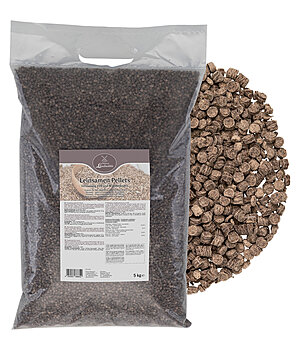
Linseed and its mucilage are wonderful for supporting healthy gut flora. If you know your horse has a sensitive digestive system, cooked linseed can be used as a preventive measure against colic.
PREVENTIVE CARE FOR HORSES PRONE TO COLIC DURING WEATHER CHANGES
-

Original Landmühle
5.0 3
3
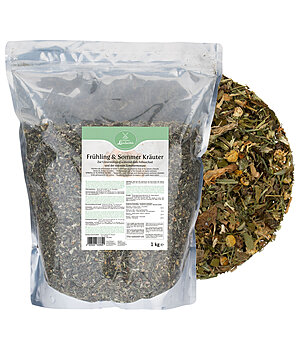
Spring & Summer Herbs
(£29.90 / 1 kg)£29.905.0 3
-
Original Landmühle
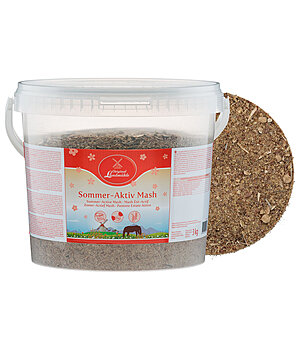
Summer Active Mash
(£11.16 / 1 kg)£27.90 -
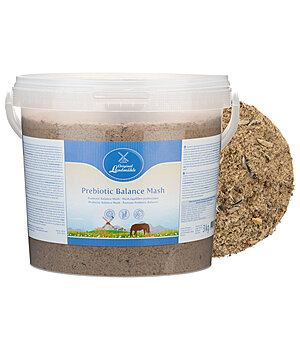
Original Landmühle
4.9 11
Prebiotic Balance Mash
(£8.63 / 1 kg)£25.904.9 11
-
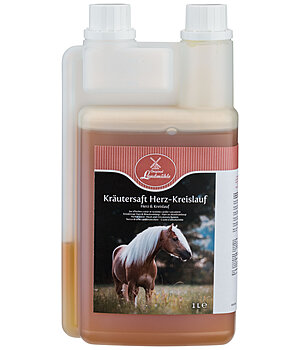
Original Landmühle
5.0 3
Herbal Juice Heart Circulation
(£21.90 / 1 kg)£21.905.0 3
-
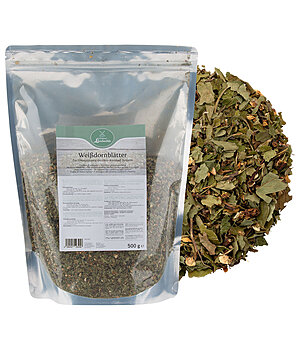
Original Landmühle
5.0 4
Hawthorn Leaves
(£31.80 / 1 kg)£15.905.0 4
-
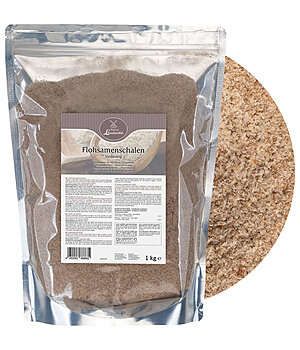
Original Landmühle
4.6 10
10
Psyllium Seed
(£32.90 / 1 kg)£32.904.6 10
-
Original Landmühle
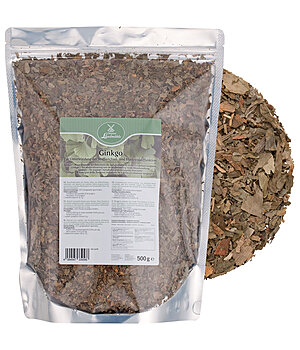
Ginkgo
(£35.80 / 1 kg)£17.90 -
Original Landmühle
4.8 11
Linseed Cake
(£4.78 / 1 kg)£23.904.8 11


Avoiding mistakes in nutrition: Conscious feed management prevents colic
Feed that is fermenting and produces gas is often one of the many reasons for abdominal pain in horses. A horse’s anatomy prevents them from regurgitating problematic feed – once it has reached the stomach, there’s only one way out: through the 25-40 metres of intestine. To prevent horses from reaching the point where they need to get rid of contaminated or fermenting feed, stick to the horse feeding basics:
- At least 1.5kg of clean, thoroughly dried forage per 100kg of body weight daily
- Breaks between feeds should not exceed four hours – especially for horses with gastric ulcers
- Always feed forage before hard feed and pasture grass – at least one hour in advance
- Divide hard feed into several small portions throughout the day
- Ensure fresh drinking water is freely available at all times
- Do not feed a horse immediately after training
- Do not allow a horse to drink cold water when it is hot
- Carefully accustom the horse to grass in spring, slowly wean it off in autumn.
- Avoid stress (food-aggression, erratic routines, restlessness, time pressure) during feeds
We go into more detail about the foundations of horse nutrition in our guide on the horse feeding basics.
Although proper nutrition can’t completely eliminate the risk of colic, it can significantly reduce it.
You can find more feeding tips, both preventive and post-colic treatment, in our guide on Proper Nutrition for Horses Prone to Colic.
Movement helps: Exercise reduces the risk of colic
A common and important measure when dealing with acute colic is to hand-walk the horse slowly. Horses‘ bodies are designed for movement, so their digestive systems also need sufficient and regular exercise in order to function properly. Careful movement during a bout of colic is therefore crucial to stimulate the horse’s digestive system.

Effective digestion helps to reduce the risk of colic. Make sure your horse gets regular, consistent exercise. The horse should be able to enjoy several hours of free movement, ideally by group housing or turnout in a field. It is particularly important to pay close attention to the amount of exercise given to horses that are prone to colic.
Stress is poison: Less stress means less stomachaches
Horses are highly sensitive beings that instinctively sense danger around every corner. They find security in routine and familiarity. Therefore, moving yards, competitions, feeding routines, riders, stable neighbours, herd members, etc. can cause internal stress for horses. As flight animals, stress puts horses on high alert, which has a significant impact on their digestion. If a horse is repeatedly exposed to stress for various reasons, it can lead to spasmodic colic. In addition, cortisol levels are chronically elevated during prolonged stress, which can have further negative consequences.
- Avoid frequent yard moves – analyse the potential new yard carefully before deciding to move
- If a change of feed is necessary, the transition should be gradual
- Avoid having too many different riders (instructors, shares, riding students), that the horse has to constantly adjust to
- Be mindful of your own behaviour – don’t become a stress factor yourself through nervous, insecure or aggressive responses
- Avoid overworking your horse during training
- Avoid underworking your horse through too little exercise or too little mental stimulation
- If your horse has a low stimulus threshold, it may be suffering from a mineral deficiency. Ensure a balanced supply of a high-quality vitamin and mineral supplement.