


When it gets muddy: Preventing and treating mud fever in horses
Mud fever is an inflammatory skin condition affecting the fetlock area of the horse. It commonly occurs in horses during winter under damp and cold conditions, but depending on the cause, it can also appear year-round.
In our guide, we’ll walk you through everything from recognising mud fever to identifying its causes and treating it, as well as sharing some valuable products and tips to help keep your horse’s fetlocks in tip-top condition.
How do I recognise mud fever in horses?
Mud fever attacks the skin around the fetlocks and typically manifests through:
- Redness
- Flaking and crust formation
- Sensitivity to touch
- Swelling
- Warm patches
- Hair loss
Who is particularly at risk?
Mud fever can affect any horse, but certain characteristics increase the risk of the condition.
- Horses with unpigmented skin (greys or horses with white markings on the legs)
- Horses with heavy feathering (Friesians, Irish Cobs, etc.)
- Horses with weakened immune systems (seniors, chronically ill horses, horses with metabolic disorders)
- Horses with nutrient deficiencies

How does mud fever develop?
The triggers can vary, but it is typically a persistent damp environment, often made worse by wet and cold weather conditions that result in muddy fields, or poor hygiene in the stables, that initially irritates the skin. However, under unfavourable conditions, the skin barrier becomes weakened and more susceptible to colonisation by bacteria, and less commonly fungal spores, resulting in many cases in what is known as a secondary infection. Nonetheless, the immune system and nutrient supply are also crucial in preventing mud fever. Particularly during the coat change, there is an increased risk, as not only the skin and coat but also the metabolism are under strain, often leading to imbalances in zinc supply, which is vital for a healthy skin barrier.
Does mud fever occur in summer?
If mud fever occurs in summer, it is usually caused by grass mites or sunburn on unpigmented skin, which can lead to inflammatory processes due to mechanical irritation and damage to the skin, triggering mud fever-like symptoms in the fetlock areas.
Tips for treating mud fever
Depending on the cause, different measures are required to treat mud fever. First and foremost, all factors to prevent mud fever must be implemented.
If mud fever is in its early stages, one can attempt to control the inflammation through thorough cleaning and zinc-based creams. If crusts have already formed, they can be regularly softened with mild soapy solutions (e.g., iodine soap) and carefully removed.
SUITABLE CARE PRODUCTS FOR MUD FEVER
-

SHOWMASTER
3.7 9
9
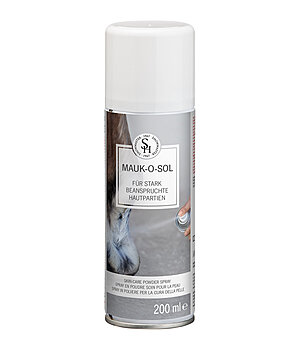
Mauk-O-Sol
(£49.95 / 1 l)£9.993.7 9
-
SHOWMASTER
4.5 6
6
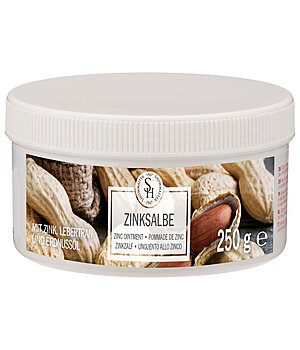
Zinc Ointment
(£59.60 / 1 l)£14.904.5 6
-
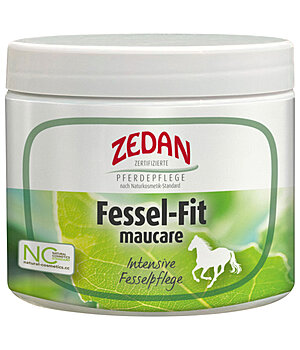
ZEDAN
Fetlock Fit Maucare
(£149.50 / 1 l)£29.90


Stay away from udder cream and the like if your horse has acute mud fever!
When searching for a suitable treatment method, one often comes across home remedies like udder cream or baby cream. During the acute phase of mud fever, it is strongly advised against using these. Rich and greasy ointments not only shield the skin from the air but can also trap bacteria, allowing them to multiply more effectively.
If symptoms do not improve within a week of starting treatment or even worsen, you should seek veterinary advice to initiate a more precise diagnosis through swabs. It may be necessary to use antibiotic, antifungal, or cortisone-based ointments to combat mud fever.
Which factors contribute to preventing mud fever?
To protect your horse from mud fever or support its recovery, consider the following tips:
- Regular mucking out of stables & poo-picking fields
- Dry turnout areas
- Avoid turnout during morning dew
- Appropriate care (even excessive washing of horse legs can damage the skin barrier)
- Species-appropriate movement options
- Adjusted feed (reduce starch, sugar, and protein)
- Sufficient nutrient supply, especially during coat-shedding season or for predisposed horses
Feeding for mud fever
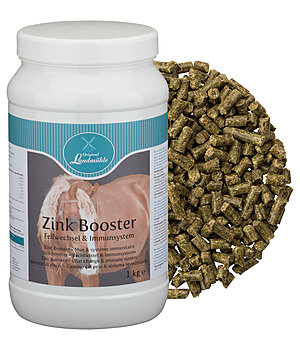
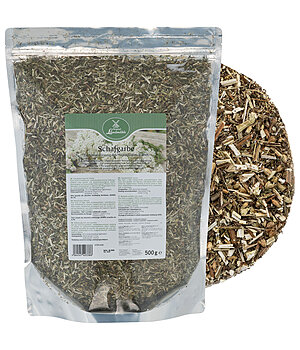
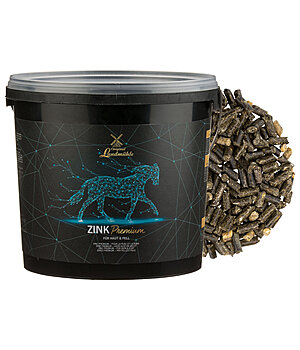
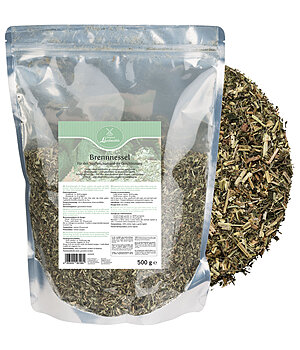
It should be low in starch, sugar, and protein but high in crude fibre – the optimal feed for horses affected by mud fever. Original Landmühle has designed Mud Fever Remedy Premium, a comprehensive complementary feed that supports both the immune system and metabolism, with a focus on maintaining healthy skin. With linseed, zinc, nettle, and field horsetail, the meadow grass meal based pellets provide an optimal addition to ensure all-round supply of important trace elements, vitamins, and secondary plant compounds, which are beneficial for skin and hair – especially during coat-shedding season.

FEED FOR HEALTHY-LOOKING SKIN
-
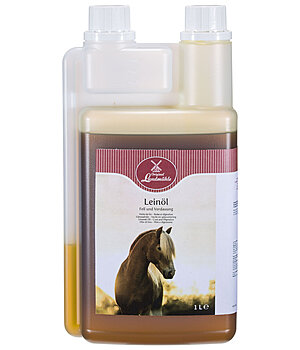
Original Landmühle
4.8 46
46
Linseed Oil
(£10.90 / 1 l)from £10.904.8 46
-
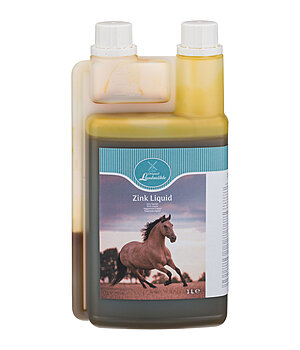
Original Landmühle
5.0 1
Zinc Liquid
(£28.90 / 1 l)£28.905.0 1
-
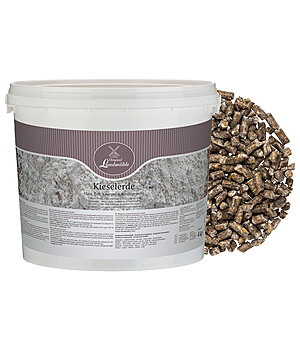
Original Landmühle
5.0 3
Silica
(£7.48 / 1 kg)£29.905.0 3
-
Original Landmühle
4.5 12
Zinc Booster
(£27.90 / 1 kg)£27.904.5 12
-
Original Landmühle
5.0 1
Yarrow
(£33.80 / 1 kg)£16.905.0 1
-
Original Landmühle
5.0 1
Zinc Premium
(£29.27 / 1 kg)£43.905.0 1
-
Original Landmühle
4.6 5
Stinging Nettle
(£33.80 / 1 kg)£16.904.6 5
-
Original Landmühle
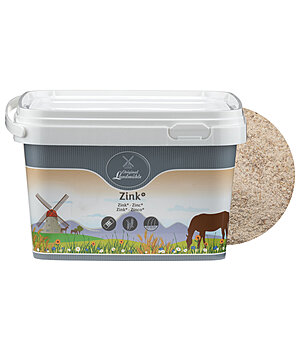
Zinc +
(£30.75 / 1 kg)£36.90


Clipping feathering – yes or no?
Horse breeds with long feathering often suffer more frequently from mud fever. However, reaching for the scissors should be avoided initially, as nature has a purpose for the long leg hair: the feathering is meant to protect the horse’s legs from dirt and moisture. If the horse is kept in unfavourable conditions, constantly wet feathering can again promote the development of mud fever. Therefore: first eliminate risk factors, then use the scissors. However, if the fetlocks are already inflamed, the feathering can be clipped for easier care.