



Tick protection for horse, dog & rider
Did you know that ticks are technically arachnids and can survive several years on just one blood meal without further food sources? As small as the eight-legged parasites are, according to scientists they are among the most dangerous animals in the United Kingdom. Our guide will tell you why this is the case and how you can protect both your beloved animals and yourself from these bloodsuckers.

Profile of a tick
Biologically speaking, ticks belong to the class of arachnids, more precisely to the subclass of mites. They are parasites and go through three stages of development until they reach adulthood. From the larval stage to the fully engorged adult tick, it increases 25 times its original body size. Its weight can even increase 200 times in a fully engorged state. In the wild, ticks live approximately 3 to 5 years and are very robust. Mild winters cannot harm them, so they are partly active all year round.


Ticks usually lurk close to the ground, for example in tall grass or on shrubs and bushes. They then almost always go unnoticed as they make their way onto their host. This can happen to both animals and humans. It can take a tick several hours to find a suitable spot on the body for a bite.
As soon as it has bitten, it begins to suck blood. Depending on its sex and stage of development, this process can take up to 10 days. To reduce the risk of contracting „tick-borne diseases“ such as Lyme disease or TBE, it is important to remove ticks as early as possible after they bite.
Are ticks actually good for anything?
When you consider the ecological benefits of ticks, it becomes clear that these small bloodsuckers are also on the menu of some animals and thus serve as a food source for others. Some fungal species even prefer to settle on ticks, providing them with a habitat. Furthermore, parasites such as ticks hinder the establishment of invasive animal species in foreign habitats, thereby curbing their large-scale spread and reproduction.
Flying Ticks – Do They Really Exist?
Ticks cannot fly, so no. The term „flying ticks“ refers to deer keds, which closely resemble ticks in body structure and can also bite. They tend to target animals with thick hair or fur, biting them to suck blood, which can be very uncomfortable for our horses and dogs. Deer keds travel in swarms, so an animal is typically bitten multiple times. As an immediate measure, one should quickly attempt to remove the tiny creatures from the fur, as otherwise painful skin inflammations may occur. The most effective method is to use adhesive tape or a flea comb. Alternatively, hosing down the dog or horse afterwards will also remove the deer tick infestation. As a preventive measure, it is recommended that you apply an insect spray before going for walks in wooded areas.

Immediate Assistance for Tick Bites
Tick bites – What to do?
After a tick bite, the first step is: Remove the tick properly and stay calm!
How to remove a tick in 3 steps:
- Place the tweezers or tick remover as close to the skin as possible and grasp the tick.
- Pull the tick out without twisting or yanking it.
- After removal, disinfect the area.


After the Tick Bite – Grab a Pen!
After the tick has been removed, you should observe the area for several weeks. The first symptoms of Lyme disease usually develop only after a few weeks, and a progressing infection is often recognisable by the „bull’s eye rash“ – a reddened ring that enlarges from the bite site. It’s best to mark the inflamed area with a pen. If the infection spreads beyond the marking over several days, you should consult a doctor as a precaution!
For more information on the correct procedure in case of a tick bite, refer to our insect protection guide.
TOOLS FOR TICK REMOVAL
-

Kramer
5.0 6
6
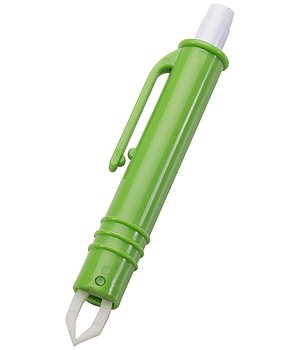
Tick Tweezers
£2.195.0 6
-
sugar dog
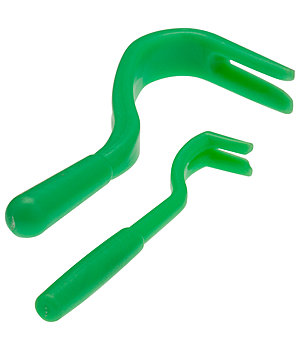
Tick Hook Set
£2.19


Where Do Ticks Prefer to Bite?
Ticks prefer a warm, moist environment and areas where the skin is soft and thin. Pay particular attention to the following body parts when checking:
| Human | Horse | Dog | |
| Preferred Locations | Hairline, behind the ears, neck, armpits, elbow bend, behind the knee, navel, hip and genital area, legs, feet, between the toes | Legs, head, neck, chest, skin folds | Head, neck, shoulders |

Tick Prevention
There are numerous effective measures for humans & animals to protect themselves from ticks. Here you can find further information on how you and your beloved pets can enjoy nature to the fullest.
Effective Tick Prevention Measures
HUMAN

- Avoid tall grass/undergrowth, stay on paths
- Clothing: long sleeves, long trousers, socks over trouser legs, wear boots, light-coloured clothing
- Use insect repellent
- Check for ticks after time spent in nature
- TBE vaccination (especially in TBE risk areas)
HORSE

- Stay on paved paths when riding out
- Daily checking after grazing
- Use insect repellent sprays
- Consider borreliosis vaccination
DOG

- Avoid tall grass/undergrowth on walks
- Consider Lyme disease vaccination
- Regular use of spot treatments or tablets
- Use of insect protection collars
TICK PROTECTION FOR HUMANS & ANIMALS
-
SHOWMASTER
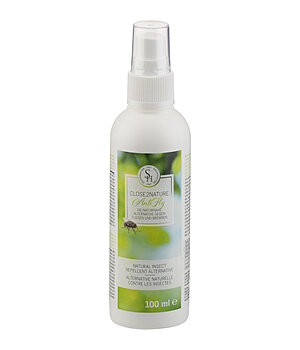
Close2Nature Anti-Fly
(£99.90 / 1 l)from £9.99 -
sugar dog
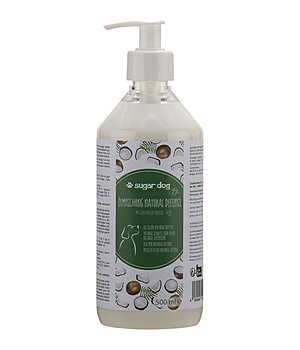
Oil Blend Natural Defense
£21.90(£33.80 / 1 l)£16.90 -
sugar dog
4.0 1
1
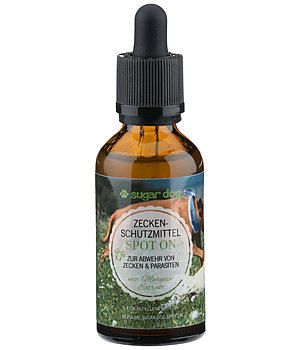
Spot-On Tick Repellent For Dogs
(£398.00 / 1 l)£19.904.0 1
-

TWIN OAKS
Insect Protection Jacket Tundra
£49.90£39.90


Vaccinations against tick-borne diseases – Who should get which vaccine?
A vaccination for humans is currently only available against TBE (tick-borne encephalitis). Children as young as one can be vaccinated with this vaccine. Full protection is obtained after the third booster. Thereafter, boosters are only necessary every 5 years. TBE vaccinations are particularly recommended in TBE risk areas, where TBE infections occur frequently.
For dogs on the other hand, a vaccination against Lyme disease is currently the only option. In the UK, there is currently no licensed vaccine for horses against Lyme disease. You can find whether a vaccination is suitable for your dog and which vaccination schedule to follow in a detailed consultation with your vet.
Important to know: Borrelia are only transmitted from the tick to humans and animals after a longer feeding period (approx. 10-24 hours), so the best protection against Lyme disease infection for you and your animals remains thorough searching and quick removal of ticks. TBE, on the other hand, is usually transmitted directly after a tick bite, so vaccination in humans is the most effective method of protection against the disease.
At a glance – Everything about tick protection

Myths about tick protection
Rosemary around the horse yard repels ticks.
There are indeed some plant species that have a repellent effect on ticks due to their essential oils and fragrances. These include rosemary, lavender, and catnip, among others. But beware: there are also other plant species circulating on the internet, such as tansy or the Dalmatian chrysanthemum, but these plants are also poisonous to other animal and insect species and should therefore not be planted around the yard.
Natural remedies like black seed oil, coconut oil, or garlic help against ticks.
The effectiveness of natural home remedies against ticks has not yet been scientifically proven. However, the abovementioned products are said to have a protective effect. One thing is clear: you should never rely solely on the protection of these natural products. When used internally or externally, coconut oil & such do not cause any harm!
When bitten by a tick, one should drizzle the tick with oil, alcohol, or glue to kill it.
Under no circumstances should you drizzle the tick with these substances. The only way to get rid of ticks is to remove them using tweezers, tick removers, or a tick card. While oils, alcohol & glue are sure ways to kill the tick, there is a possibility that it may release even more viruses or bacteria during as it dies.
Ticks should be flushed down the toilet.
Ticks are robust little creatures that cannot be defeated by being flushed down the toilet. Theoretically, they can even survive a stay in the freezer or passages through the washing machine or dryer. The most effective way to dispose of a tick is to crush it between a paper towel. Direct contact with a tick’s bodily fluids, e.g., by crushing it between your fingers, should be avoided or followed by thorough hand washing. Disinfectants or high-percentage alcohol also kill the creepy crawlies (but only after removing the tick from the skin!)