


What can I do to prevent thrush?
You’ve probably noticed that thrush tends to occur more frequently in the winter. But why is this, and what can be done to prevent it? Read on for an overview of the condition and a guide on what to do if your horse is affected.
What causes thrush?
Thrush is a bacterial colonisation of the frog by putrefactive bacteria – known as fusobacteria. These bacteria usually cannot harm a healthy hoof.
Certain factors, especially when they occur together, make it easier for bacteria to enter the frog. If left untreated, they can cause significant damage.
These include:
- Difficult ground conditions: damp, muddy turnout areas
- Lack of exercise: The hoof pump does not function properly and the formation of healthy horn is reduced
- Poor yard hygiene: Stablesnot mucked out and turnout areas not poo-picked regularly, the resulting ammonia attacks the hooves and makes them brittle, making it easier for bacteria to take hold
- Inadequate hoof care: Daily hoof care is neglected, no regular hoof trimming by a specialist
- Anatomical conditions of the hoof: Narrow hoof stance, deep collateral sulci of the frog
- Malnutrition: Poor horn quality due to over- or under-supply of nutrients, vitamins and minerals, too much sugar and protein also promote hoof diseases


How can you identify thrush in horses?
The infection starts in the central sulcus of the frog and can spread to the collateral sulci. In advanced stages, bacteria may also attack and decompose the hoof wall and sole.
To detect thrush early, follow the principle of „Smell, See, Feel“.
You can recognise thrush by the following symptoms:
- You smell a foul odour when picking out the hooves
- You can see that the frog sulci become deeper and narrower
- Due to the decomposition of horn material, a dark, greasy mass is visible on the frog
- The frog becomes noticeably soft to the touch
In advanced stages, thrush causes pain for the horse, leading to lameness. A pododermatitis can follow, and in the worst case, even canker.
How do I treat thrush in my horse?
If your horse’s hooves are affected by thrush, ensure optimal keeping and care conditions. Knowing and strictly adhering to the 5 pillars of hoof health is helpful here.
If thrush is not yet advanced, the condition can usually be managed independently:
- Keep the hoof clean and dry at all times.
- Decayed areas must be regularly cut away by a farrier.
- The frog should be disinfected with a suitable product after thorough cleaning.
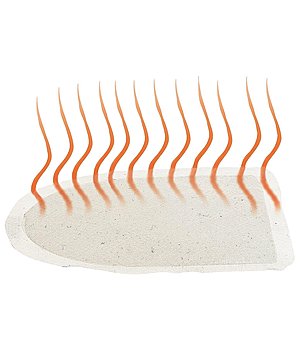
- Disinfectant-soaked dressings protect the frog from recontamination, allowing antibacterial agents to penetrate affected areas more effectively.
Consult your vet and farrier
If you’re unsure whether it’s actually thrush or feel you can’t manage it, don’t hesitate to contact your vet or farrier. They can assess the condition of the hooves and recommend suitable treatments!
What products can I use to combat thrush?
With thrush, it’s crucial to eliminate decay-causing bacteria, best achieved with antibacterial care. While mild cases may initially be treated with home remedies like vinegar or tea tree oil, advanced stages require products prescribed by a vet (e.g., jodoform ether, hydrogen peroxide, or copper sulfate). Be sure to follow your vet’s instructions!
To support healing or for prevention, Kramer Equestrian offers a range of care products for the yard first aid kit:
SUPPORTIVE TREATMENT WITH ANTIBACTERIAL EFFECTS
-

 5.0
5.0 12
12
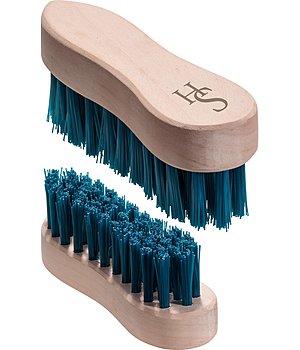
SHOWMASTER Small Cleaning Brush
£2.195.0 12
-
SHOWMASTER
5.0 1
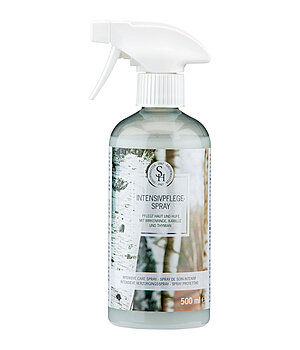
Intensive Care Spray
£26.905.0 1
-
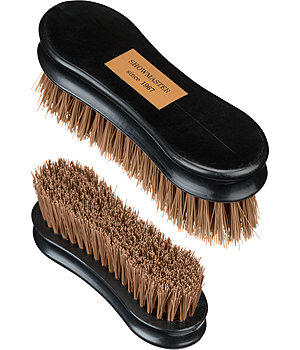
SHOWMASTER
5.0 4
Hoof Brush Maya
£4.395.0 4


FOR PREVENTION, TO KEEP THE FROG DRY
-
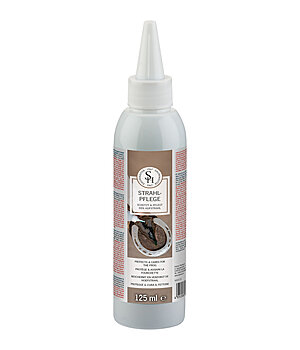
SHOWMASTER
5.0 5
Frog Care
(£119.20 / 1 l)from £14.905.0 5
-
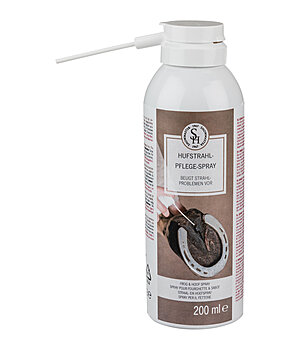
SHOWMASTER
4.8 12
Frog Care Spray
(£64.50 / 1 l)£12.904.8 12
-
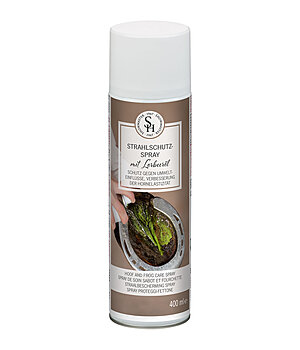
SHOWMASTER
4.0 2
2
Frog Protection Spray
(£42.25 / 1 l)£16.904.0 2
-
SHOWMASTER
5.0 5
Frog Care
(£119.20 / 1 l)from £14.905.0 5
-
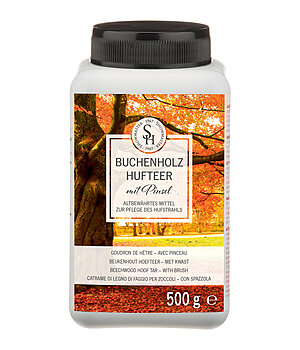
SHOWMASTER
4.5 2
2
Beechwood Hoof Tar
(£19.98 / 1 l)£9.994.5 2


The hoof should be kept dry but not allowed to dry out!
In order to counteract the process of decay, the hoof must remain largely dry. Several care products are available on the market, such as hoof tar. However, note that the frog should never completely dry out, as this makes the horn more brittle and susceptible to bacterial pathogens. In acute thrush cases, care products that leave a waterproof protective film should only be applied after the frog has been thoroughly cleaned and disinfected, as bacteria can otherwise become trapped and multiply more effectively!